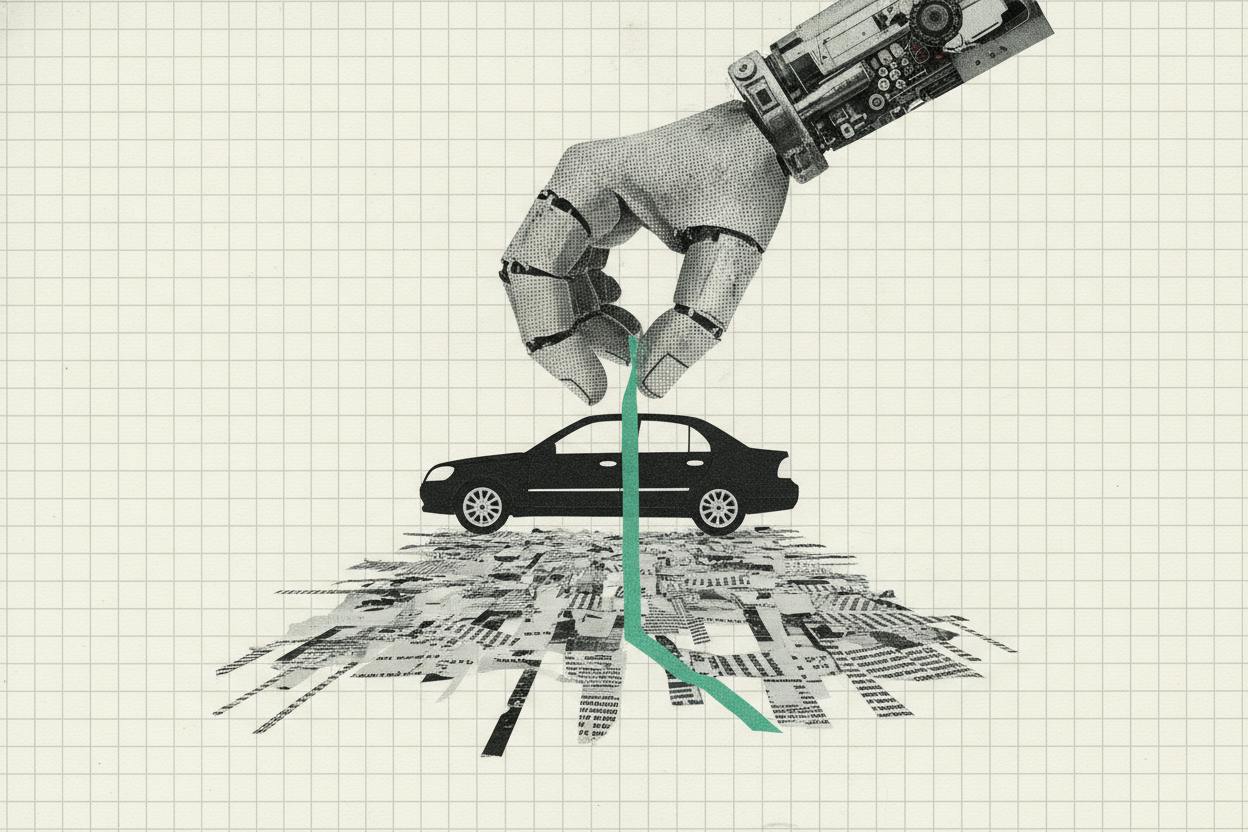
Uber Technologies is set to report its third-quarter earnings on November 4th, and while the headline numbers may land close to what Wall Street expects, the real story could be what the company says about its long-term strategy in the face of autonomous vehicles.
Bank of America Securities, a global investment bank, estimates that Uber will post about $59.8 billion in gross bookings and $14.7 billion in revenue for the quarter. Both figures are roughly in line with consensus estimates, meaning the company's core ride-hailing and delivery businesses are likely performing as analysts anticipated.
But the stock has faced pressure during the quarter as investors weigh what the rise of self-driving ride services could mean for Uber's dominant position in the U.S. market. The key question, according to BofA, is how Uber plans to keep its supply of drivers and vehicles strong as autonomous networks look set to scale up by 2027.
Why supply matters for Uber
Uber's business model depends on having enough drivers to meet rider demand. When supply is tight, wait times go up, prices rise, and riders may turn to alternatives. Uber has spent heavily on incentives to attract and retain drivers, but the emergence of autonomous ride-hailing networks—where fleets of self-driving cars could operate without human drivers—poses a potential threat to that model.
If autonomous networks become widespread, they could offer lower-cost rides and undercut Uber's traditional driver-based supply. That's why investors are keen to hear Uber's roadmap for how it plans to respond. The company has already partnered with autonomous vehicle firms in some markets, but the scale and timing of those efforts remain unclear.
BofA's note suggests that the market will be listening for any concrete plans Uber has to secure its supply chain in the coming years, whether through partnerships, investments, or its own autonomous technology development.
What the numbers say
For the third quarter, BofA's estimates point to a steady, if unspectacular, performance. Gross bookings—the total value of rides and deliveries before paying drivers and merchants—are expected to be around $59.8 billion. Revenue, which Uber keeps after those payouts, is projected at $14.7 billion.
These figures are in line with what the broader market expects, suggesting that Uber's core operations are stable. However, the stock's recent weakness indicates that investors are looking beyond the current quarter and focusing on the competitive landscape ahead.
Autonomous vehicles are not a new topic for Uber, but the timeline is becoming more concrete. Several companies, including Tesla and Alphabet's Waymo, have been expanding their self-driving ride services in select U.S. cities. By 2027, these networks could be operating at a scale that meaningfully changes the ride-hailing market.
For Uber, the challenge is twofold: it must defend its existing market share while also positioning itself to benefit from the autonomous shift, rather than be disrupted by it.
What it means for investors
For everyday investors, the key takeaway is that Uber's earnings report will be about more than just the numbers. While a beat or miss on bookings and revenue can move the stock in the short term, the long-term value of Uber's shares may hinge on how credible its autonomous vehicle strategy appears.
Investors should listen for any specific commitments, partnerships, or timelines that Uber's management provides on the earnings call. A clear and convincing plan could reassure the market that Uber is not going to be left behind. On the other hand, vague or defensive comments could fuel concerns that the company is unprepared for the autonomous future.
It's also worth noting that Uber has faced similar competitive threats before—such as the rise of Lyft and the entry of Amazon into delivery—and has managed to maintain its leadership. But autonomous vehicles represent a more fundamental shift, potentially changing the cost structure of the entire industry.
As with any earnings report, past performance is not a guarantee of future results, and investors should consider their own risk tolerance and portfolio diversification. The November 4th call will be a critical moment for Uber, and the market's reaction could set the tone for the stock into the end of the year.
For more on how companies are navigating competitive pressures, see our coverage of RWE's 2026 outlook and Seagate's growth drivers.