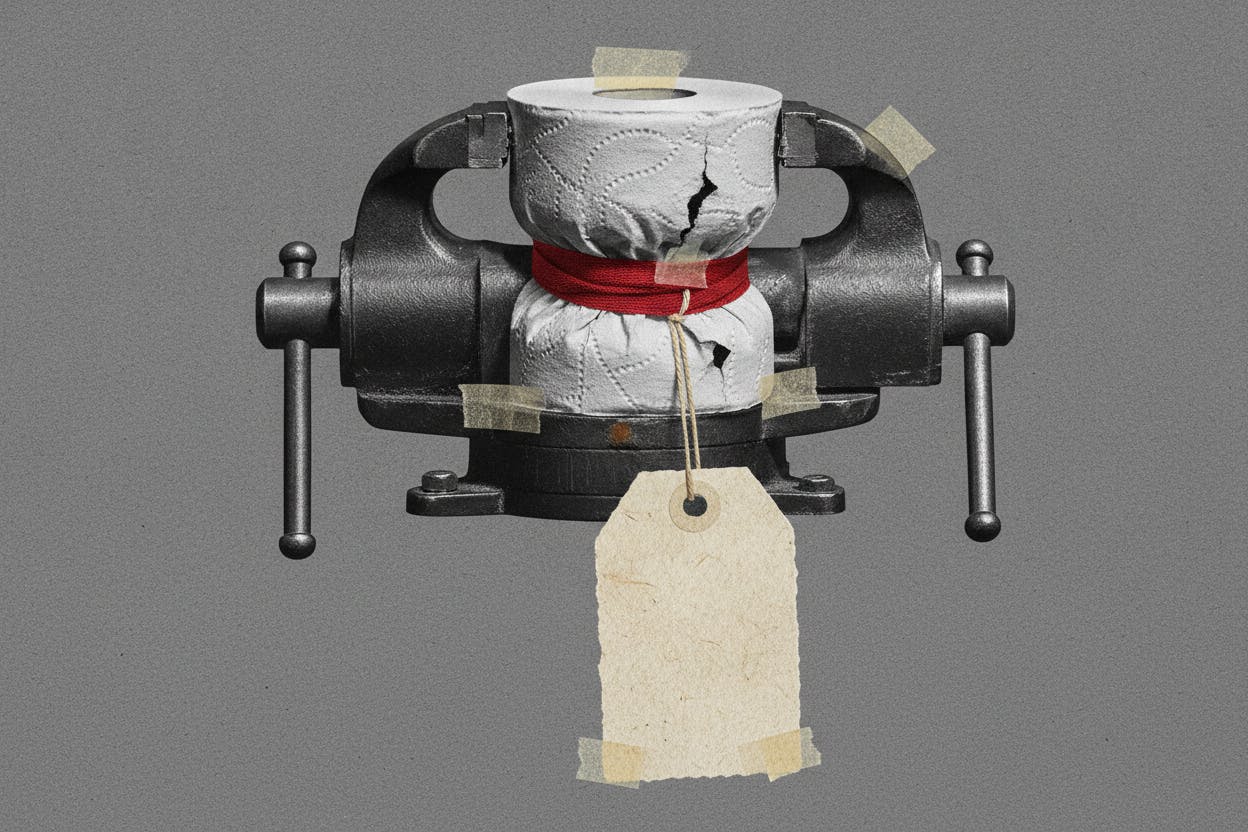
UBS Global Research has turned bearish on Essity, the Swedish maker of household names like Tork and Libresse, downgrading the stock to “sell” from a more neutral stance. The bank also cut its price target to 235 Swedish kronor, citing a fresh wave of raw material inflation that is squeezing margins just as the company’s ability to raise prices fades.
Essity, one of the world’s largest hygiene and health products companies, has spent the past couple of years navigating volatile input costs—from pulp to oil-based materials—and passing those costs on to consumers. But UBS analysts now argue that this pricing power is weakening, meaning the company may struggle to offset the next round of cost increases.
What’s behind the downgrade?
The core issue is cost pressure. Raw materials—especially pulp, a key input for tissue and paper products—have been climbing again after a period of relative calm. At the same time, Essity’s ability to push through higher prices to retailers and consumers is not what it used to be. In a competitive market, especially in Europe, retailers are pushing back on price increases, and consumers are trading down to cheaper private-label brands.
UBS warns that this combination could keep Essity’s organic sales growth below 3%—a level that would disappoint investors who had hoped for a stronger recovery. The bank’s new target of 235 kronor implies limited upside from current levels, and the “sell” rating signals that the risk-reward balance has tipped to the downside.
This is not an isolated story. Across the consumer goods sector, companies are grappling with a similar dilemma: input costs are rising again, but the post-pandemic pricing power that allowed them to hike prices aggressively is fading. Other companies are responding by squeezing suppliers and standardizing parts to cut costs, but for Essity, the options are more limited.
What it means for investors
For everyday investors, this downgrade is a reminder that even well-known consumer brands are not immune to cost cycles. Essity’s products—toilet paper, feminine care, and professional hygiene—are everyday essentials, but that doesn’t make the company immune to margin pressure. When raw material costs rise and pricing power weakens, profit margins shrink, and that often shows up in the stock price.
The 235 kronor price target is a signal from UBS that they see more downside than upside. If you own Essity shares, it’s worth watching how the company manages costs in the coming quarters. If it can’t hold the line on prices, earnings could miss expectations.
For those considering buying, the key question is whether the current valuation already reflects the cost pressures. UBS clearly thinks it doesn’t. But analysts can be wrong, and a “sell” rating doesn’t mean the stock will fall—it just means the bank sees better opportunities elsewhere.
This downgrade also fits a broader pattern in the market. Cost pressures are forcing companies across industries to rethink their strategies, from automakers to consumer goods. For Essity, the path forward may involve more aggressive cost-cutting or a renewed focus on premium products that can command higher prices.
What to watch next
Investors should keep an eye on Essity’s next earnings report, due in the coming months. Key metrics to watch include organic sales growth, which UBS expects to stay below 3%, and gross margin, which will show how much of the cost increases the company can absorb.
Also watch pulp prices, which are a major input for Essity. If they continue to climb, the pressure will intensify. If they ease, the downgrade may prove too pessimistic.
Finally, note that UBS’s move is just one analyst’s view. Other banks may have different opinions, and the market will ultimately decide. But when a major bank turns cautious on a stock, it’s worth paying attention—especially when the reasoning is as clear as this: costs are up, pricing power is down, and growth is slowing.
For a broader look at how cost pressures are affecting other sectors, see how Lands' End trimmed its sales forecast despite beating profit targets, or how Regis Healthcare saw its shares plunge when funding lagged costs. These stories all share a common theme: rising costs are the new normal, and companies that can’t adapt will feel the pain.