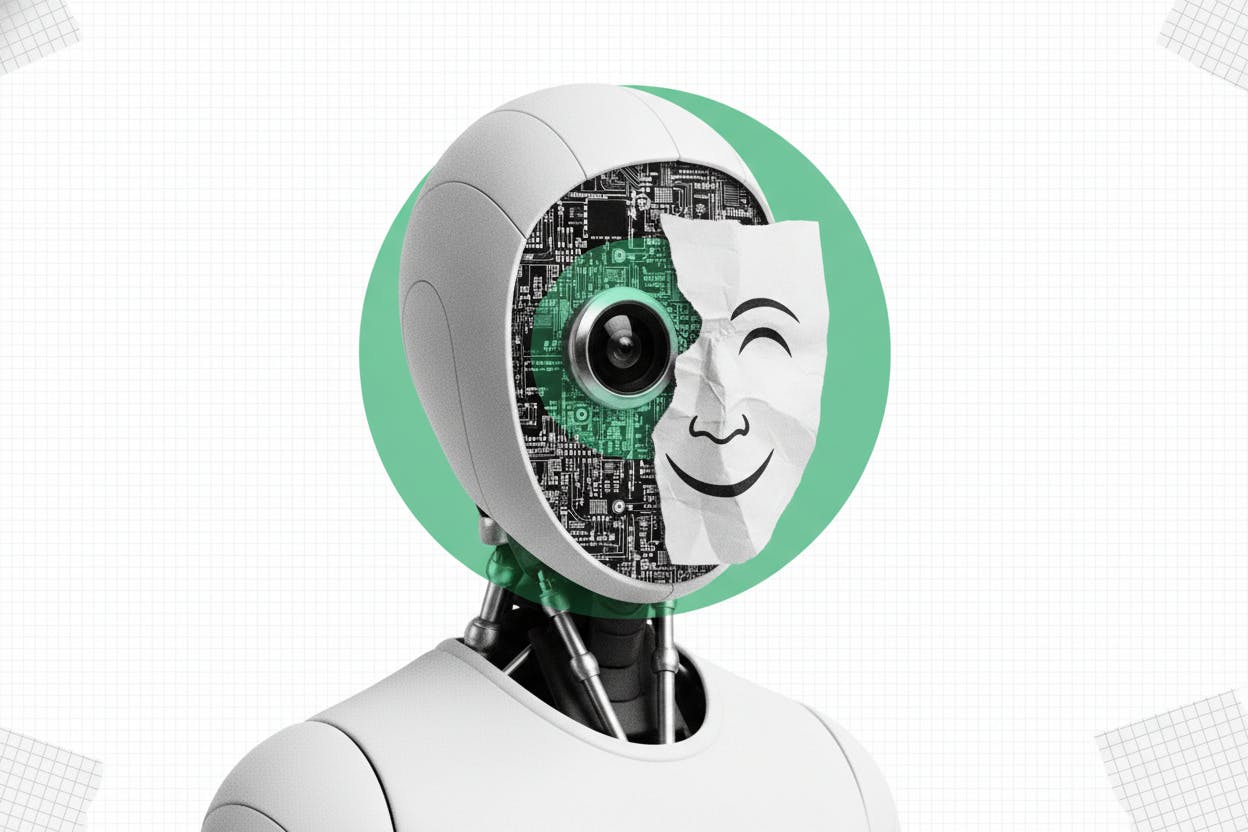
Chinese robotics company UBTech has introduced a new line of humanoid robots designed not just for tasks but for emotional connection. The U1 series, unveiled this week, can recognize more than 20 human emotions with over 90% accuracy, according to the company. The robots are being pitched as companions, combining expressive faces, lifelike synthetic skin, and an “emotional large language model” that aims to build long-term relationships with users.
What the U1 Robots Offer
The U1 line includes several models at different price points. A torso-only version starts at 119,800 yuan (roughly $16,500), while a full-sized humanoid robot costs up to 990,000 yuan (about $136,000). That pricing makes clear that UBTech is initially targeting businesses and high-net-worth consumers rather than the average household. The company says the robots are designed for companionship, not just utility, and can adapt their behavior based on the emotional state of the person they interact with.
UBTech is known for its work in robotics and artificial intelligence, and the U1 represents a bet that emotional intelligence will be a key differentiator in the growing humanoid robot market. The robots use cameras, sensors, and AI to read facial expressions, tone of voice, and body language, then respond in ways that feel natural and empathetic. The company claims the system can maintain context over long conversations, making it suitable for roles like elder care, education, or simply being a presence in the home.
Broader Context: The Humanoid Robot Race
UBTech is not alone in chasing the humanoid robot opportunity. Companies around the world are pouring money into robots that can work alongside humans in factories, warehouses, and homes. Google-backed Apptronik recently opened a robot park to train humanoids for real-world work, and other Chinese firms like Rokae have launched IPOs to fund their robotics ambitions. The sector has attracted significant investor attention, though many of these companies are still years away from generating meaningful revenue.
The emotional-companion angle is a newer twist. Most humanoid robots are being developed for industrial tasks like lifting boxes or assembling products. UBTech is betting that there is also a market for robots that provide emotional support, especially in aging societies like China, where loneliness and caregiving needs are growing. However, the high price tag means that for now, the U1 is likely to be a niche product for early adopters and institutions.
What It Means for Investors
For everyday investors, the U1 launch is a signal that the humanoid robotics industry is moving beyond prototypes and into commercial products. But it also highlights the challenges. The robots are expensive, and it is unclear how large the market for emotional-support robots will be. Companies in this space often require years of development and significant capital before they become profitable.
Investors should watch how UBTech and its rivals manage costs and scale production. Chinese robot maker Rokae's recent Hong Kong IPO shows that investors are willing to bet on the sector, but volatility is high. The broader trend of Chinese tech firms seeking public listings, as seen in five Chinese tech firms filing for Hong Kong IPOs totaling up to HK$44.1 billion, suggests that robotics and AI are key areas of focus for the region.
UBTech's focus on emotion-reading AI also raises questions about privacy and data security. Robots that constantly analyze facial expressions and voice patterns collect sensitive personal data, which could attract regulatory scrutiny. Investors should consider these risks when evaluating companies in the space.
For now, the U1 is a glimpse of a possible future where robots are not just tools but companions. Whether that future arrives quickly or slowly will depend on costs, consumer acceptance, and the ability of companies like UBTech to deliver on their promises. As with any emerging technology, early investors should be prepared for ups and downs.