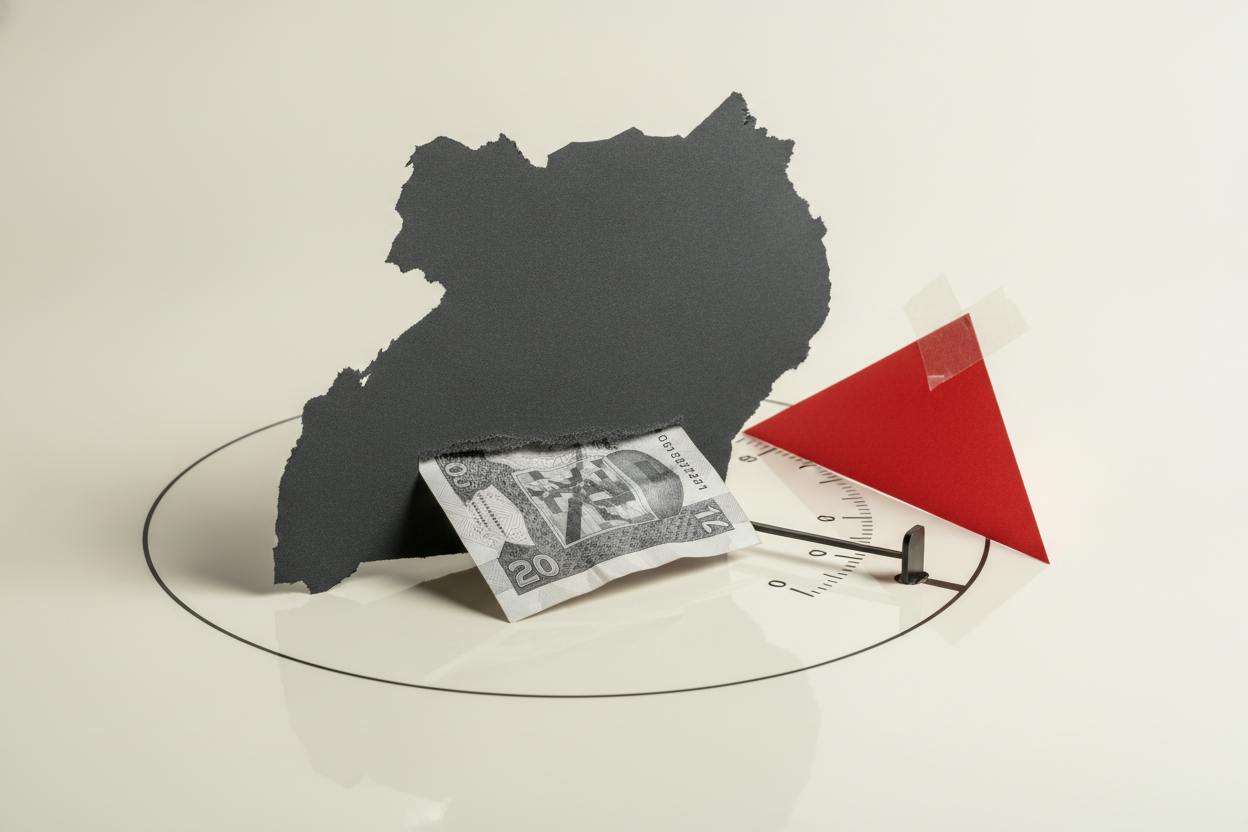
Uganda's central bank kept its benchmark interest rate at 12% on Monday, opting to pause after last month's emergency hike even as it raised its inflation forecast and trimmed its growth outlook for the coming years.
The Bank of Uganda's decision follows a 225-basis-point increase in October, which was made during an unscheduled meeting in response to a sharp drop in the Ugandan shilling. That jumbo move was aimed at stabilizing the currency and curbing imported inflation, which had been accelerating as the shilling weakened.
Why the pause?
By holding rates steady, the central bank is signaling that it wants to let October's aggressive tightening continue to work through the economy. The shilling has clawed back some ground since then, according to Reuters, but it remains more than 11% weaker against the U.S. dollar this year. That weakness matters because Uganda relies heavily on imports for fuel, machinery, and other goods, and a weaker currency makes those imports more expensive in local terms.
The bank's decision to raise its inflation outlook suggests that price pressures are still a concern. Higher import costs, combined with potential supply disruptions, could keep inflation elevated in the near term. At the same time, the bank trimmed its growth forecast for the 2026/27 fiscal year, reflecting the drag that higher borrowing costs and a weaker currency may have on economic activity.
What this means for investors
For everyday investors, the key takeaway is that Uganda's central bank is prioritizing currency stability and inflation control over short-term growth. Holding rates at 12% means borrowing costs for businesses and consumers remain high, which can slow spending and investment. However, it also helps protect the value of the shilling and keeps a lid on price increases, which is crucial for household purchasing power.
Investors with exposure to Ugandan assets—whether through local bonds, equities, or the currency itself—should watch how the shilling behaves in the coming weeks. If the currency stabilizes further, the central bank may feel less pressure to hike again. But if it weakens again, another rate increase could be on the table.
For those investing in international markets, the situation in Uganda is a reminder of how currency movements can affect emerging-market economies. A weaker currency can boost export competitiveness but also fuels inflation, forcing central banks to choose between supporting growth and defending the currency.
Broader context
Uganda's rate decision comes amid a backdrop of global uncertainty. Central banks around the world are grappling with similar trade-offs as they try to tame inflation without tipping their economies into recession. In the U.S., for example, recent jobs data showed hiring beating forecasts, which could influence the Federal Reserve's next moves.
In Africa, other central banks are also watching currency pressures. The Ugandan shilling's slide is part of a broader trend of emerging-market currencies weakening against the dollar, driven by high U.S. interest rates and global risk aversion. This has made it more expensive for countries like Uganda to service dollar-denominated debt and import essential goods.
Commodity prices also play a role. Uganda is a major coffee exporter, and coffee prices are expected to cool as global supply improves, which could affect export earnings. Meanwhile, gold prices have been volatile, with central bank buying providing some support.
What to watch next
Investors will be closely monitoring Uganda's inflation data in the coming months to see if the October rate hike is having the desired effect. If inflation starts to ease, the central bank may be able to hold rates steady for an extended period. But if price pressures persist, further hikes could be necessary.
Also on the radar is the shilling's trajectory. A continued recovery would ease import costs and reduce the need for aggressive monetary policy. However, any renewed weakness could force the central bank to act again, potentially with another emergency move.
For now, the Bank of Uganda is signaling that it believes the current policy stance is appropriate. The pause gives the economy time to adjust, but the central bank has made clear it stands ready to act if conditions worsen.