UK car buyers snapped up battery electric vehicles (EVs) at a record pace in July, but the industry is warning that the surge is being propped up by price cuts that manufacturers can't keep funding forever.
New-car registrations rose 11.7% year-on-year to 156,571 in July, and battery EVs accounted for 27.5% of that total — the highest monthly share on record. The Society of Motor Manufacturers and Traders (SMMT), the UK's main auto industry body, called it the strongest July for registrations since 2019.
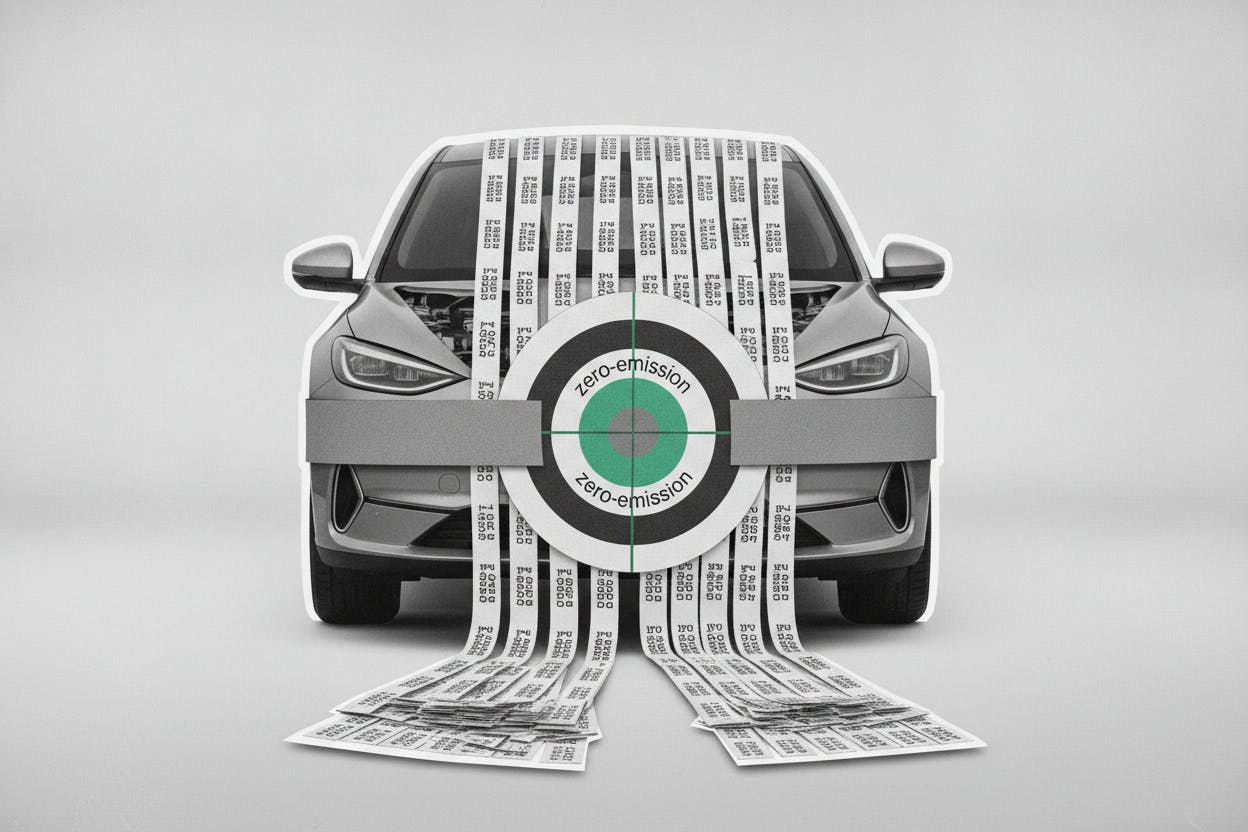
But the headline numbers mask a fragile reality. The SMMT says the growth is being driven by a combination of more affordable EV models and aggressive discounting by automakers, who are slashing prices to hit government-mandated sales targets. Those targets, part of the UK's zero-emission vehicle (ZEV) mandate, require a rising percentage of each manufacturer's sales to be electric each year.
Discounts doing the heavy lifting
The record EV share is not a sign of organic demand, the industry argues. Instead, it reflects manufacturers absorbing the cost of price cuts to move metal. The SMMT has warned that this approach is unsustainable, with automakers collectively spending billions to keep EV sales climbing.
For context, the ZEV mandate in the UK requires that 22% of new cars sold by each manufacturer in 2024 be zero-emission, rising to 80% by 2030. Missing those targets triggers hefty fines. To avoid penalties, many automakers have resorted to discounting, eating into their profit margins on EVs — which are already thinner than on petrol or diesel models.
This is not just a UK phenomenon. Globally, automakers are wrestling with how to transition to electric without destroying profitability. Some have scaled back or delayed EV production plans, while others are leaning on hybrids as a bridge. The UK's experience highlights the tension between regulatory deadlines and market reality.
What it means for investors
For investors, the key takeaway is that EV sales growth is not the same as EV profitability. A record market share achieved through heavy discounting can hurt automakers' bottom lines, even as it boosts registration numbers.
If you hold shares in car manufacturers or auto suppliers, watch how they balance EV sales targets with margins. Companies that can sell EVs profitably — through cost reductions, premium pricing, or strong brand demand — are better positioned than those relying on discounts to move inventory.
The SMMT's warning suggests that the current pace of EV adoption may not be sustainable without continued financial support, either from manufacturers or from government incentives. If discounts are rolled back, EV sales could slow, which would affect not just automakers but also battery makers, charging infrastructure firms, and the broader supply chain.
Investors should also consider the broader economic backdrop. High interest rates make car loans more expensive, which can dampen demand for big-ticket items like EVs. At the same time, falling battery costs and new, cheaper models are helping to bring EVs closer to price parity with petrol cars — a trend that could eventually support more organic growth.
For now, the record July figure is a double-edged sword: it shows that buyers will respond to lower prices, but it also raises questions about how long automakers can keep subsidising the transition. As the industry navigates this, expect continued volatility in EV-related stocks.
In related news, Next lifted its profit forecast after strong summer sales, showing that consumer spending remains resilient in some sectors. But the auto industry's EV push is a different story, one where regulatory pressure and price competition are colliding.
For a broader view on how companies are managing costs, Suncor's record refining output highlights how energy firms are benefiting from strong margins, while AMD's AI chip sales surge shows how tech demand can drive growth. These contrasting stories underscore the varied pressures and opportunities across sectors.
Ultimately, the UK's EV record is a reminder that market share numbers can be misleading. Investors should look past the headline and ask whether the growth is sustainable — and at what cost.