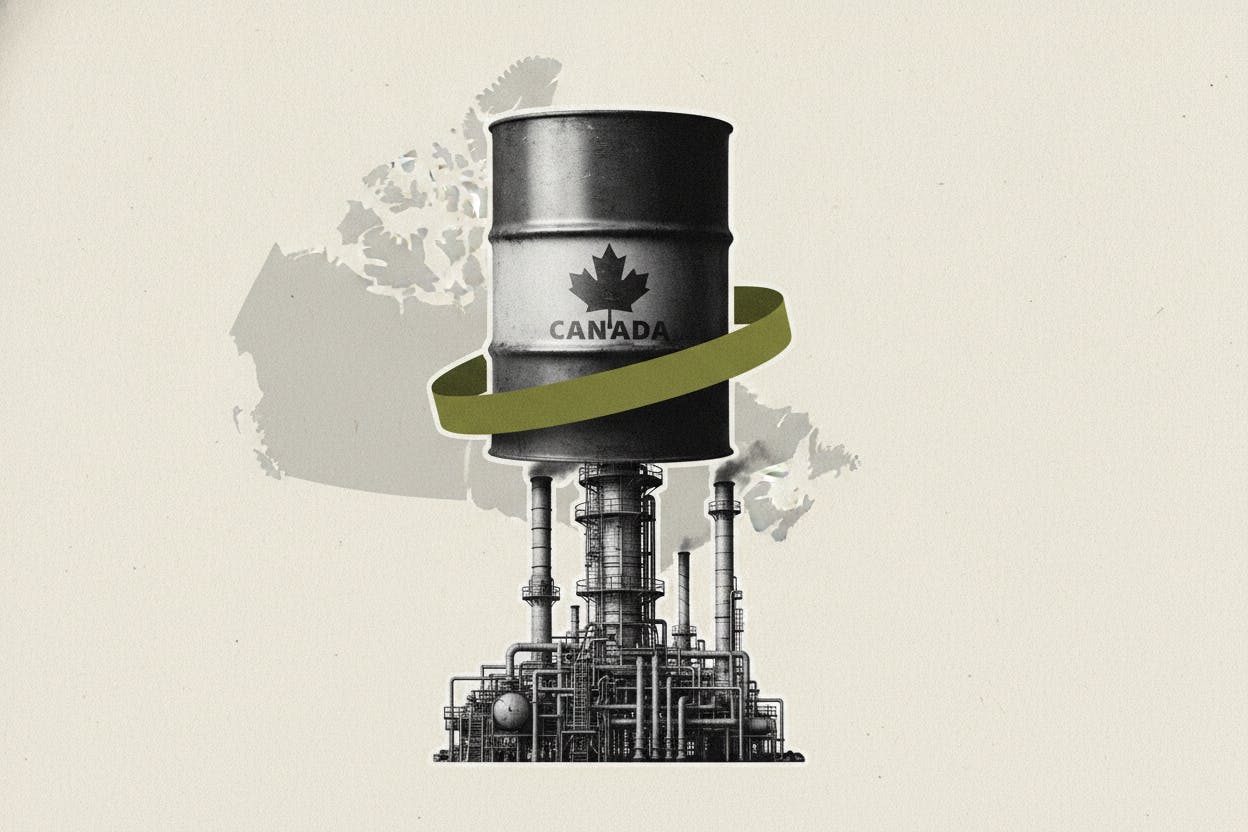
Suncor Energy, one of Canada's largest oil sands producers, reported second-quarter profit that topped analyst expectations, driven by record refinery throughput and strong fuel sales. The company also announced it will increase its share repurchase program to C$500 million per month starting in August, a move that signals confidence in its cash flow and commitment to returning capital to shareholders.
How Suncor beat estimates
For the quarter ended June 30, Suncor posted adjusted operating earnings of C$3.23 per share, beating the C$3.07 average analyst estimate, according to LSEG data. The beat came despite weaker upstream production, which typically refers to the extraction of crude oil from oil sands and other sources.
The company's refining and marketing unit was the standout performer, with adjusted operating earnings jumping sharply. Suncor said it achieved record refinery throughput—the amount of crude oil processed into products like gasoline and diesel—and record product sales during the quarter. This helped offset the impact of lower production volumes in its upstream operations.
For everyday investors, this highlights the value of an integrated business model. When one part of the operation stumbles, another can pick up the slack. In Suncor's case, even if oil extraction faces headwinds, its refineries and fuel sales can provide a steady stream of revenue.
Why refining strength matters
Refining margins—the difference between what it costs to buy crude and what refined products sell for—can be volatile. But when they are strong, they can significantly boost a company's bottom line. Suncor's record throughput suggests it was able to capitalize on favorable market conditions, processing more crude and selling more fuel at attractive prices.
This is not just a one-off. Integrated oil companies like Suncor often use refining as a natural hedge against crude price swings. If oil prices fall, refining margins tend to improve because input costs drop, while fuel prices may not fall as quickly. That dynamic can help stabilize earnings over time.
The company's decision to raise its monthly share repurchases to C$500 million is another sign of financial health. Buybacks reduce the number of shares outstanding, which can boost earnings per share and support the stock price. For investors, this is often seen as a positive signal that management believes the shares are undervalued and that cash flow is strong enough to support returning money to shareholders.
What it means for investors
Suncor's results come at a time when the energy sector is facing mixed signals. Oil prices have been volatile, and geopolitical tensions can cause sudden swings. However, companies with strong refining operations may be better positioned to weather those storms.
For those holding Suncor shares, the earnings beat and buyback increase are likely welcome news. The company is demonstrating that it can generate solid profits even when upstream production dips, and it is rewarding shareholders with a larger capital return program.
Investors should also keep an eye on the broader energy market. If refining margins remain strong, Suncor could continue to outperform. Conversely, if fuel demand weakens or refining margins compress, the company's results could be more dependent on upstream production, which has been softer.
As with any investment, it's important to consider the risks. Oil prices, regulatory changes, and operational issues can all affect Suncor's performance. But for now, the company's refining strength is helping it deliver better-than-expected results and a bigger buyback—a combination that many investors will find attractive.
This article is for informational purposes only and does not constitute financial advice. Always do your own research before making investment decisions.