UK house prices nudged up 0.2% in June, according to data from Lloyds Banking Group, one of the country's largest mortgage lenders. The small increase follows a revised 0.2% decline in May, and it signals that the housing market may be finding its footing after a period of turbulence driven by higher borrowing costs.
Separately, the FTSE 100 index ticked higher, buoyed by a rise in shares of energy giant Shell. The company lifted its guidance for second-quarter integrated gas and upstream production, and said gas trading results should be "significantly higher" than in the first quarter. That positive company-specific news helped offset weaker performances elsewhere in the index, keeping the overall market tone more focused on individual corporate updates than a broad economic shift.
What the House Price Data Means
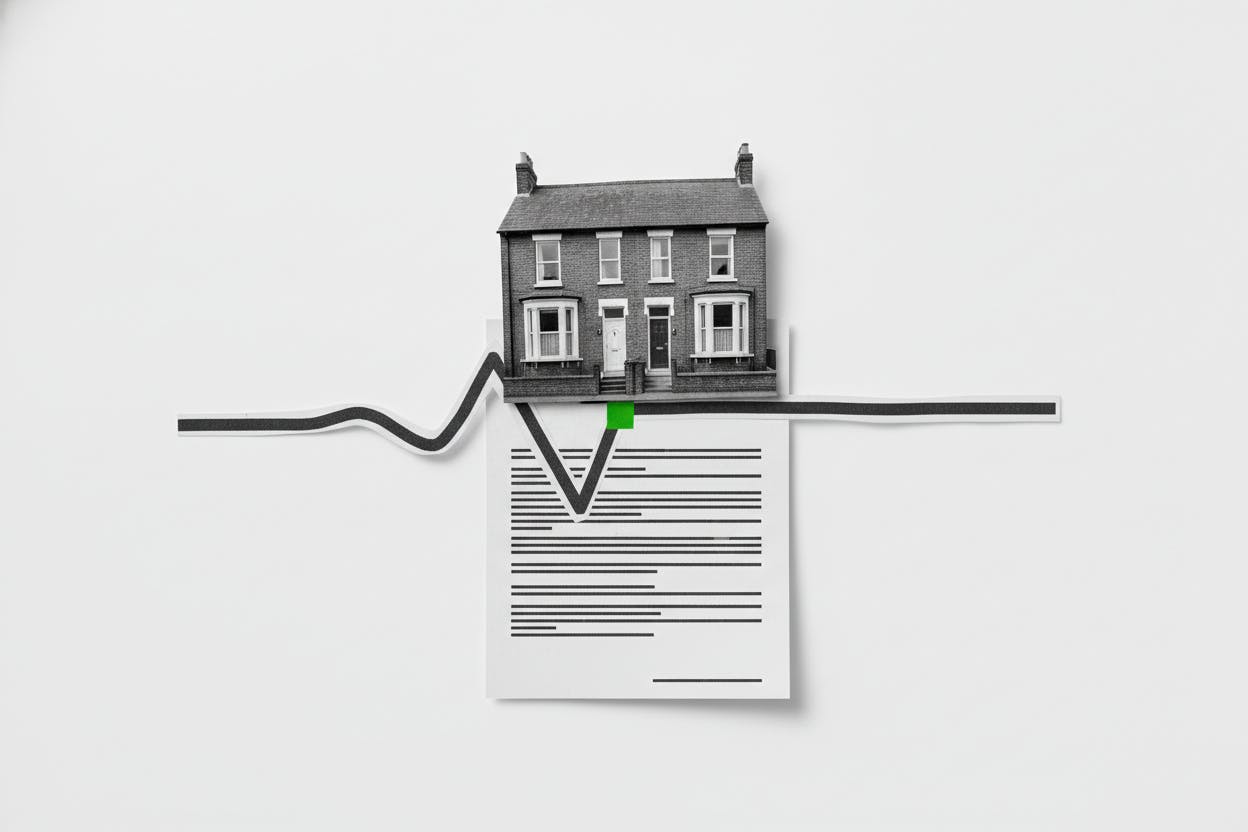
Lloyds' house price index showed that the average UK home price rose 0.2% month-on-month in June. While the move is modest, it comes after a period of falling prices in late 2023 and early 2024, as higher interest rates squeezed affordability. Mortgage rates have eased from their peaks last year, which may be starting to support demand.
Amanda Bryden, head of mortgages at Lloyds, noted that lower borrowing costs "should provide some support for demand," even though affordability remains tight for many buyers. The housing market is closely watched because it affects consumer confidence, spending, and the health of banks' loan books.
For UK banks, house prices are not just about new mortgage lending. They also influence the riskiness of existing home loans. When prices stabilize, fewer borrowers end up in negative equity—owing more on their mortgage than their home is worth. That reduces the potential for losses if borrowers fall behind on payments. Lower mortgage rates can also mean fewer forced sales, which helps keep the market orderly.
Investors will be watching upcoming housing indicators, including Thursday's RICS house price balance report, which surveys surveyors on whether they see prices rising or falling. If that data also points to a market moving at a measured pace, it could be a modest tailwind for lenders' earnings outlooks, even if transaction volumes remain subdued.
Shell's Gas Outlook Lifts the FTSE 100
Shell's shares rose after the company raised its guidance for integrated gas and upstream production in the second quarter. The energy major also said its gas trading results would be "significantly higher" than in the first quarter, driven by strong market conditions. This news helped lift the FTSE 100, which otherwise faced headwinds from other sectors.
Shell's performance is a reminder of how energy companies can benefit from volatile commodity markets. The company's gas trading business, which buys and sells natural gas and related products, can generate large profits when price swings create opportunities. The upgraded guidance suggests that Shell expects a strong quarter from that division.
The broader context includes ongoing geopolitical tensions, such as those in the Middle East, which have pushed oil prices higher recently. Higher energy prices can boost profits for oil and gas producers, but they also add to inflationary pressures that central banks are trying to control. For investors, Shell's update is a positive sign for the company's near-term earnings, but it also highlights the uncertainty in global energy markets.
What It Means for Investors
For everyday investors, the combination of stable house prices and a rising FTSE 100 offers some reassurance, but it's not a clear signal to change strategy. The housing market data suggests that the worst of the price declines may be over, but affordability constraints mean a rapid rebound is unlikely. That could be a positive for bank stocks, as lower credit losses support earnings.
Shell's guidance boost is a reminder that energy stocks can provide upside when commodity markets are favorable. However, such gains can be volatile, and investors should consider their own risk tolerance and diversification. The FTSE 100's modest rise on this news shows how individual company updates can move the index, even when the broader economic picture is mixed.
Looking ahead, investors will watch for more housing data, including the RICS survey, and for further updates from energy companies. The interplay between interest rates, inflation, and corporate earnings will continue to shape market direction. As always, staying informed and focusing on long-term goals is key.