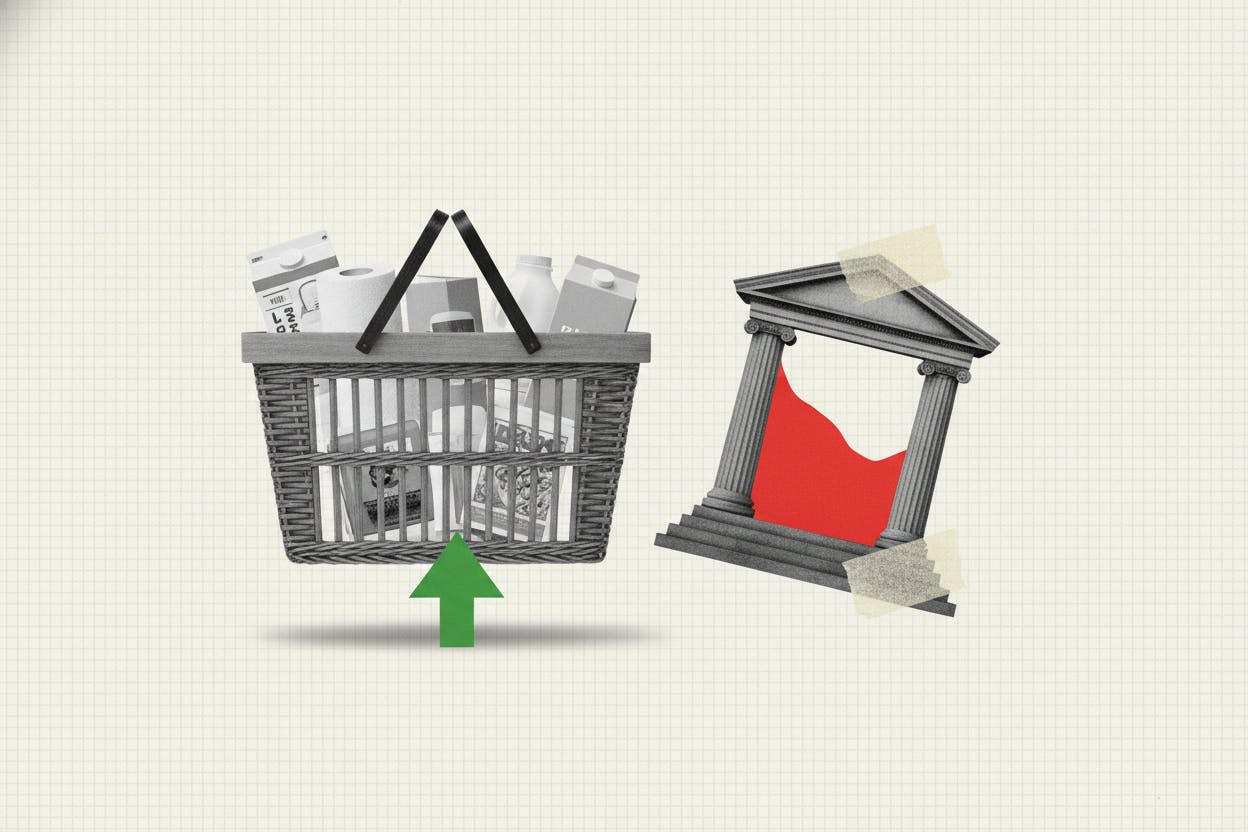
European stocks edged higher on Tuesday, driven by a surge in consumer staples shares, though gains were tempered by weakness in energy and technology sectors. The mixed session highlighted the divergent fortunes of major companies reporting earnings, with Unilever jumping nearly 9% and Barclays falling 6%.
Unilever's strong sales growth fuels consumer stock rally
Unilever, the consumer goods giant behind brands like Dove, Ben & Jerry's, and Hellmann's, saw its shares leap nearly 9% after reporting underlying sales growth of 5.8% for the second quarter. That figure, which strips out the effects of currency fluctuations and acquisitions, beat analyst expectations and signaled that the company's pricing power and volume growth remain robust despite a challenging economic environment.
The strong performance lifted the broader consumer staples sector, which includes companies that sell everyday essentials like food, beverages, and household products. These stocks are often seen as defensive investments because demand for their products tends to hold up even during economic downturns. Tuesday's rally suggests investors are betting that consumer spending in Europe remains resilient, even as inflation and interest rates stay elevated.
Unilever's results also come amid a broader trend of consumer goods companies raising prices to offset higher input costs, a strategy that has helped protect profit margins. For everyday investors, the move underscores the appeal of defensive sectors during uncertain times, though it's worth noting that such stocks can lag when the economy is booming and riskier assets are in favor.
Barclays slides despite higher income and buyback plan
On the other end of the spectrum, Barclays shares fell 6% even after the British bank reported higher second-quarter income and announced a £1 billion share buyback program. The buyback, which involves the company repurchasing its own shares from the market, is typically seen as a positive signal because it can boost earnings per share and return cash to shareholders.
So why did the stock drop? Investors may have been disappointed by the quality of the earnings or the outlook for the rest of the year. Barclays' income growth might have been driven by one-off factors, or the market could be concerned about rising loan defaults or regulatory costs. In the banking sector, share buybacks are common, but they don't always offset worries about the broader economic environment. For context, recent market moves have shown how sensitive bank stocks can be to interest rate expectations and geopolitical developments.
The contrast between Unilever and Barclays highlights how company-specific news can drive stock moves, even within the same market. While Unilever's sales growth reassured investors about consumer demand, Barclays' decline suggests that the banking sector faces headwinds from slower loan growth or higher provisions for bad debts.
Broader market context: energy and tech weigh on gains
The overall European market managed only a modest advance, as gains in consumer stocks were offset by declines in energy and technology shares. Energy stocks fell as oil prices retreated, reflecting concerns about global demand and the potential for a slowdown in major economies. Tech stocks, meanwhile, have been under pressure recently as investors reassess the outlook for the sector amid rising interest rates and questions about the sustainability of high valuations.
This mixed picture is typical of a market that is trying to find direction. On one hand, strong consumer spending and corporate earnings provide support. On the other, worries about inflation, central bank policy, and geopolitical risks continue to weigh. For investors, the key takeaway is that diversification across sectors can help manage risk, as different parts of the market often move in opposite directions.
The performance of European stocks also comes against a backdrop of global market trends. In the US, the Dow and Nasdaq have shown divergent paths, while in Asia, AI spending doubts have weighed on tech shares. These cross-currents remind investors that no market operates in isolation.
What it means for everyday investors
For the average investor, Tuesday's market action offers a few lessons. First, earnings season is a time of heightened volatility, as individual stock prices can swing sharply on company results. Second, defensive sectors like consumer staples can provide a buffer during uncertain times, but they are not immune to broader market forces. Third, share buybacks and income growth don't always translate into higher stock prices if the market sees underlying risks.
Investors should also keep an eye on central bank policy. The European Central Bank and other major central banks are still grappling with inflation, and their decisions on interest rates will continue to influence both consumer stocks and bank shares. Higher rates can boost bank profits by widening lending margins, but they can also slow economic growth and hurt consumer spending.
Ultimately, the best approach for long-term investors is to focus on a diversified portfolio that aligns with their risk tolerance and financial goals. While days like Tuesday offer interesting stories, they are just one chapter in a much longer journey.