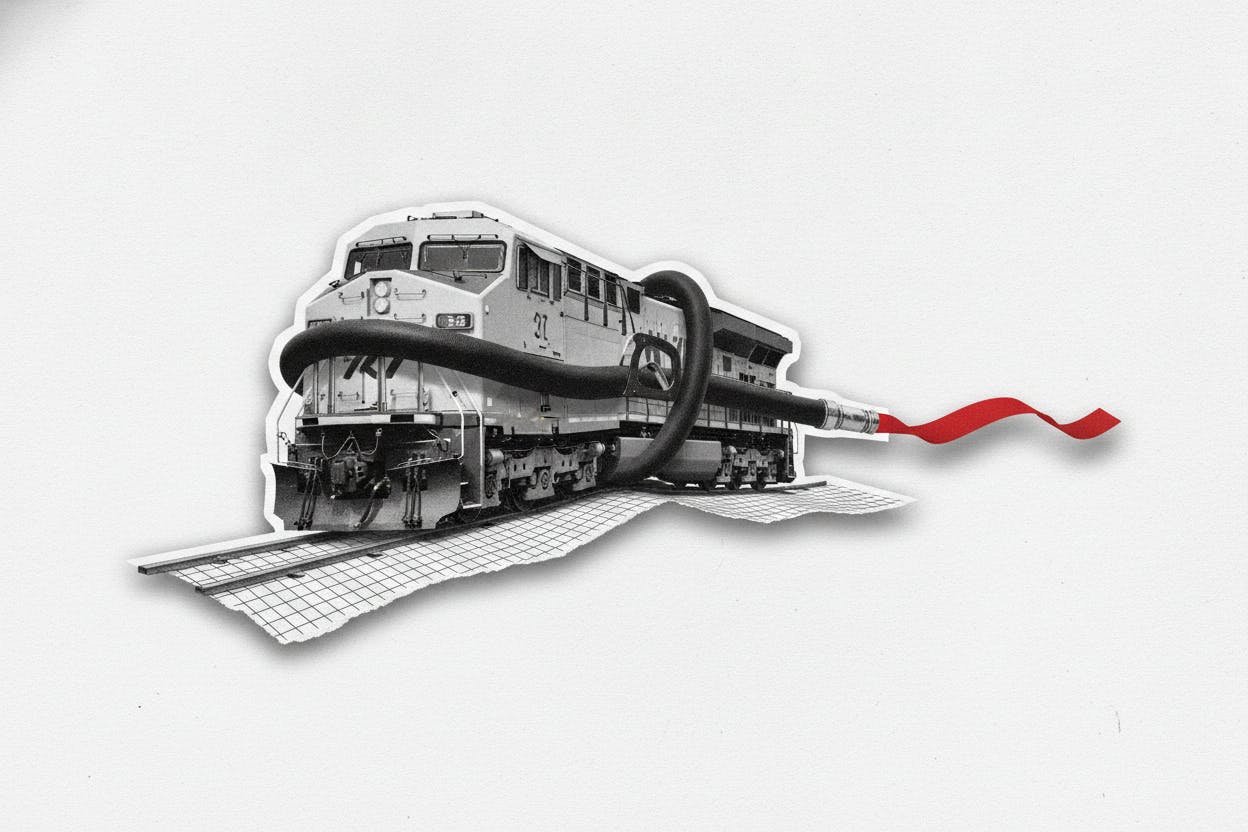
Union Pacific and Norfolk Southern, two of the largest U.S. railroads, reported second-quarter earnings that exceeded analyst expectations, driven largely by a surge in diesel prices that translated into higher fuel surcharges. The results come as the companies pursue a merger that would reshape the freight rail industry.
Fuel Surcharges Boost Revenue
Both railroads benefited from a spike in diesel costs during the quarter. Fuel surcharges, which are fees added to shipping rates to offset fuel price increases, automatically rose as diesel prices climbed. This helped lift reported revenue even as overall freight volumes faced headwinds from a mixed economic environment.
Union Pacific and Norfolk Southern both posted earnings per share above consensus estimates, with revenue growth fueled by the surcharge mechanism. The companies also cited strong pricing power and steady demand in key segments such as intermodal and agricultural products.
The fuel surcharge system is a standard practice in the railroad industry, designed to pass on fuel cost volatility to customers. When diesel prices rise, railroads collect more from shippers, which can boost top-line results even if the underlying volume of goods moved remains flat.
Merger Progress and Market Context
The strong quarterly performance provides a positive backdrop for the planned merger between Union Pacific and Norfolk Southern, which would create a combined network spanning much of the United States. The deal, announced earlier this year, is expected to face regulatory scrutiny but could generate significant cost savings and operational efficiencies.
Railroad stocks have been under pressure in recent months amid concerns about slowing economic growth and softer industrial demand. However, the earnings beats from these two companies suggest that pricing discipline and fuel surcharge mechanisms can help protect profitability even in a challenging environment.
Investors will be watching for updates on the merger timeline and any regulatory hurdles. The companies have said they expect the deal to close by mid-2026, pending approvals.
What It Means for Investors
For everyday investors, the key takeaway is that railroad earnings can be sensitive to fuel prices, but the surcharge system provides a buffer. When diesel costs rise, railroads can pass those costs along, which can lead to revenue gains even if the economy slows.
However, fuel surcharges are a double-edged sword. If diesel prices fall sharply, railroads may see a corresponding drop in revenue from surcharges. Investors should also consider that the merger could create long-term value through cost synergies, but it also carries integration risks.
The broader earnings season has been mixed, with some sectors like defense and life sciences showing strength. For example, RTX and Lockheed Martin raised 2026 targets after strong Q2 earnings, while Thermo Fisher lifted its profit forecast after a strong Q2 beat. The railroad results add to the picture of a resilient corporate sector, though investors should remain cautious about economic headwinds.
Norfolk Southern's performance was highlighted in a separate report: Norfolk Southern Beats Q2 Estimates on Fuel Surcharges and Stronger Freight Demand. The company cited improved service metrics and cost controls as additional factors.
Looking ahead, analysts will focus on third-quarter guidance and any signs of softening demand. The railroads' ability to maintain pricing power and manage fuel costs will be critical. For now, the Q2 results suggest that both companies are navigating a challenging environment effectively.
Investors should also keep an eye on broader economic indicators, such as industrial production and consumer spending, which drive freight volumes. A recession could reduce demand for rail transport, but the fuel surcharge mechanism provides some revenue stability.
In summary, Union Pacific and Norfolk Southern delivered solid Q2 results, buoyed by fuel surcharges and pricing discipline. The merger adds a layer of strategic interest, but investors should weigh the potential benefits against execution risks.