Federal regulators shut down United Fidelity Bank, an Indiana-based lender with $5.9 billion in assets, on Friday, marking another bank failure in a year that has seen a handful of regional institutions collapse. First Citizens Bank, a large North Carolina-based lender, stepped in to take over most of the failed bank's deposits and loans, according to the Federal Deposit Insurance Corporation (FDIC).
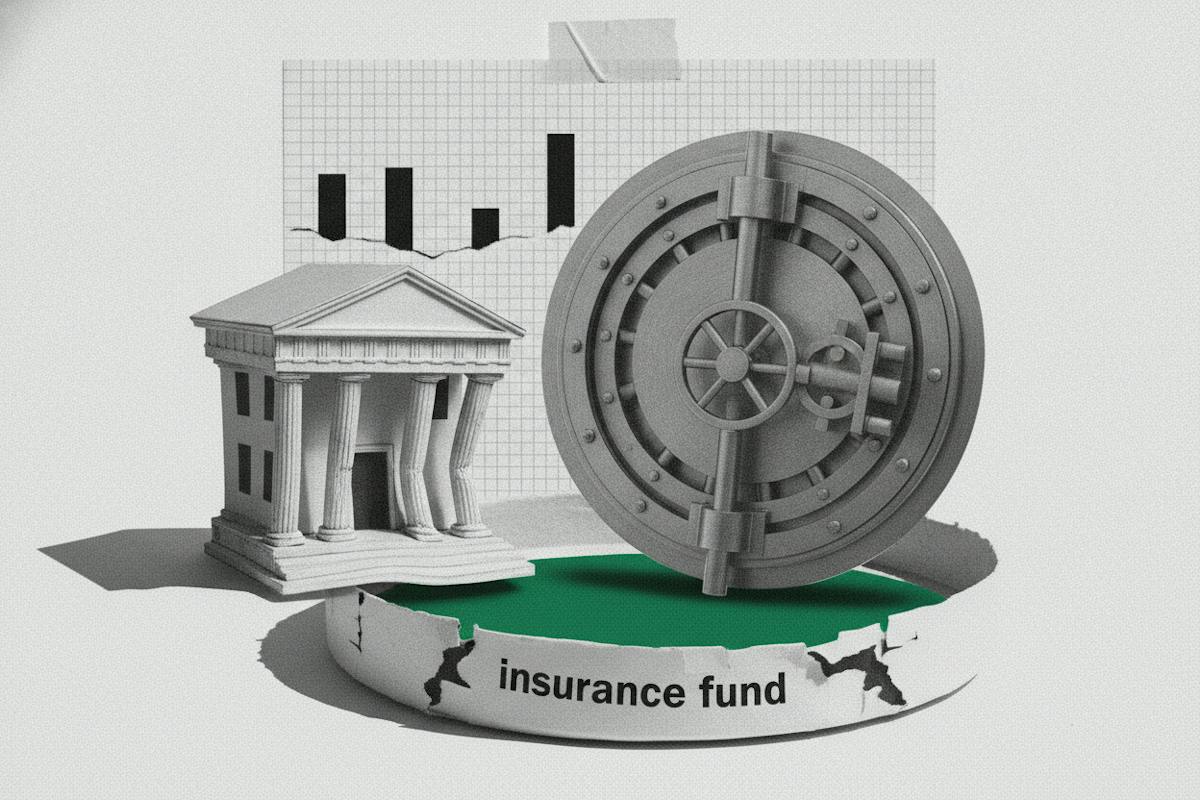
The FDIC said United Fidelity was in an "unsafe or unsound" condition and might not be able to meet its obligations, prompting the agency to seize the bank and manage the cleanup. The FDIC estimates the failure will cost its insurance fund about $1.83 billion.
What happened to United Fidelity Bank?
United Fidelity Bank, headquartered in Evansville, Indiana, had been operating with a troubled balance sheet. Regulators determined that the bank's financial condition had deteriorated to the point where it could no longer continue operating safely. The FDIC was appointed receiver, a standard process when a bank fails.
First Citizens Bank, a subsidiary of First Citizens BancShares, won a bidding process to assume most of United Fidelity's deposits and purchase a large share of its loans. The deal is designed to keep day-to-day banking services running with minimal disruption for customers. Depositors will automatically become customers of First Citizens, and they can continue using their existing checks and debit cards.
This is not the first time First Citizens has stepped in to rescue a failed bank. The company gained national attention in 2023 when it acquired the deposits and loans of Silicon Valley Bank after that institution's dramatic collapse. That deal made First Citizens a major player in the tech-banking sector.
Why do banks fail?
Banks fail when they cannot meet their obligations to depositors. This often happens when a bank has made risky loans that go bad, or when it holds investments that lose value. In recent years, some regional banks have struggled with losses on long-term bonds and commercial real estate loans, as higher interest rates reduced the value of those assets.
When a bank fails, the FDIC steps in to protect insured deposits. The agency's insurance fund, which is funded by fees paid by banks, covers deposits up to $250,000 per depositor, per bank. The FDIC's estimate of a $1.83 billion hit to the fund reflects the expected cost of covering uninsured deposits and other expenses related to the failure.
For most customers, a bank failure is not a reason to panic. The FDIC's insurance system is designed to protect depositors, and in most cases, customers can access their money without interruption. However, the failure is a reminder that banks are not immune to financial stress, and it highlights the importance of understanding how deposit insurance works.
What does this mean for investors?
For everyday investors, the failure of United Fidelity Bank is a relatively isolated event, but it carries broader lessons. First, it underscores the ongoing challenges facing some regional banks, particularly those with exposure to commercial real estate or other sectors that have been hit by higher interest rates. Investors with bank stocks should pay attention to the health of their holdings, but they should not assume that one failure signals a systemic crisis.
Second, the FDIC's estimated cost to its insurance fund is a reminder that bank failures can have a ripple effect. The insurance fund is replenished by fees on all banks, so a large failure can indirectly affect the banking industry as a whole. However, the fund is well-capitalized, and the FDIC has tools to manage the impact.
For those who hold deposits at United Fidelity, the transition to First Citizens should be seamless. The FDIC and First Citizens have worked to ensure that customers can continue banking without interruption. For investors, the key takeaway is to stay informed about the financial health of the institutions they use and invest in, and to remember that deposit insurance provides a safety net for their cash.
As the banking sector continues to navigate a higher-rate environment, more failures are possible, but the system is designed to handle them. The United Fidelity case is a reminder that even in a well-regulated industry, some institutions will struggle, and the FDIC's role is to step in and protect the system.