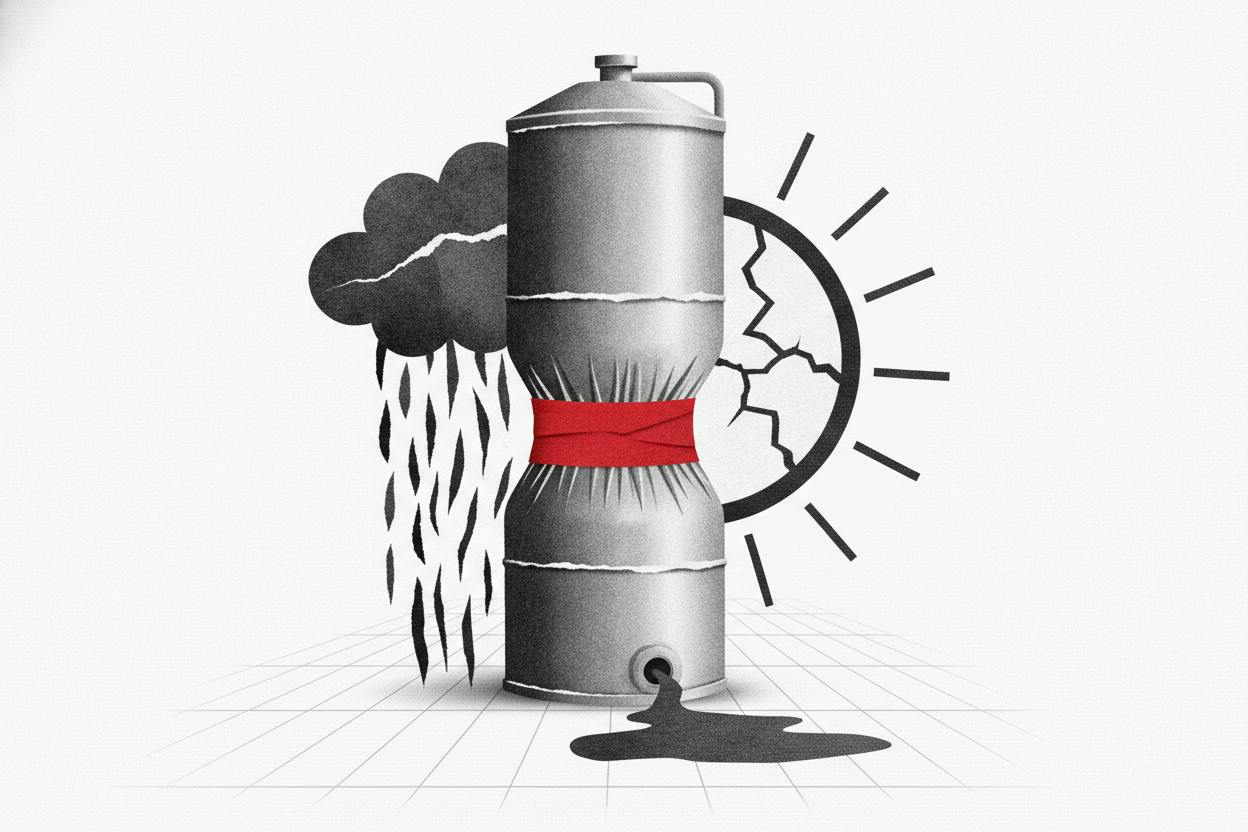
UPL, one of India's largest agrochemicals companies, reported a 23.9% drop in quarterly net profit, as unfavorable weather in key markets weighed on its core crop protection business. The company said heavy rains in Latin America and drought-like conditions in Europe disrupted demand for its products, even as its seeds and other units showed growth.
Weather's toll on crop protection
UPL's crop protection division, which sells herbicides, fungicides, and insecticides, is highly sensitive to weather patterns. In Latin America, excessive rains delayed planting and reduced the need for certain agrochemicals. In Europe, dry conditions curbed crop growth and, in turn, the application of crop protection products. These regional challenges more than offset the gains from UPL's other businesses.
The company's Advanta seeds business and Superform, a specialty chemicals unit, both grew during the quarter. However, their contributions were not enough to counter the weakness in the larger crop protection segment. This is a common pattern for agrochemicals firms, where a single season's weather can swing results significantly.
What this means for investors
For everyday investors, UPL's results are a reminder of how external factors like weather can hit a company's earnings, even when other parts of the business are performing well. Agrochemicals companies often face this kind of volatility, and their share prices can react sharply to quarterly updates.
Investors should watch how UPL manages through these seasonal headwinds. The company's ability to diversify—through seeds and specialty chemicals—may help cushion future shocks, but the core business remains tied to the whims of climate. As German factory growth masks a widening profit squeeze, similar pressures from input costs and demand can affect companies across sectors.
UPL's results also echo broader trends in the agricultural sector. For instance, Escorts Kubota's profit drops 21% as tractor margins shrink, showing that farm-related businesses are facing their own challenges. Weather, input costs, and global trade all play a role.
Looking ahead, investors will likely focus on whether UPL can recover in the coming quarters as weather patterns normalize. The company's guidance and commentary on demand from Latin America and Europe will be key. If conditions improve, the profit decline could be temporary. If not, the pressure may persist.
For those holding UPL shares, the key is to assess whether the company's long-term growth story remains intact despite this quarterly setback. Diversification into seeds and specialty chemicals is a positive, but the crop protection unit's dependence on weather is a risk that won't disappear.
In the broader market, UPL's news adds to a mixed picture for Indian stocks. As oil retreat and Reliance profit beat point to firmer Indian stocks, individual company results can still diverge sharply based on their specific exposures.
Ultimately, UPL's quarter is a case study in how quickly external conditions can change a company's fortunes. For investors, it underscores the importance of understanding the risks that come with weather-dependent industries.