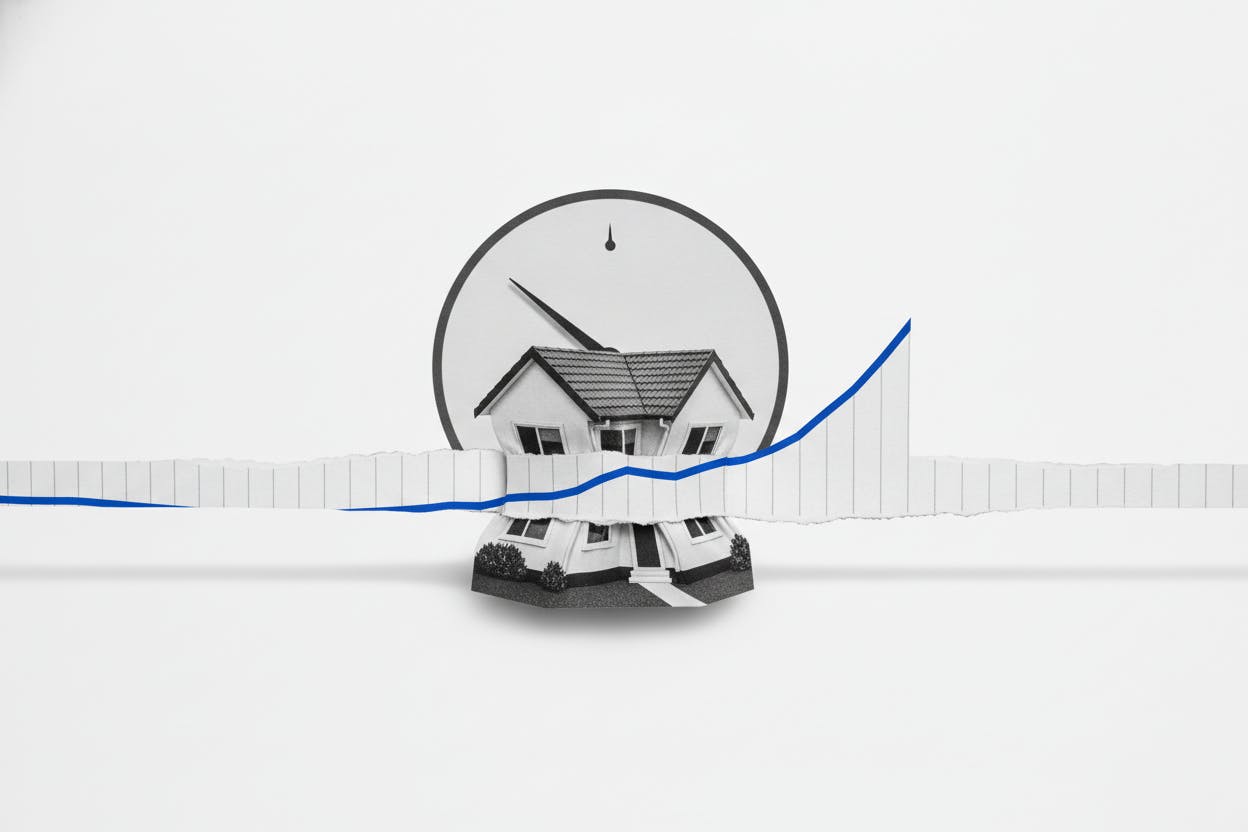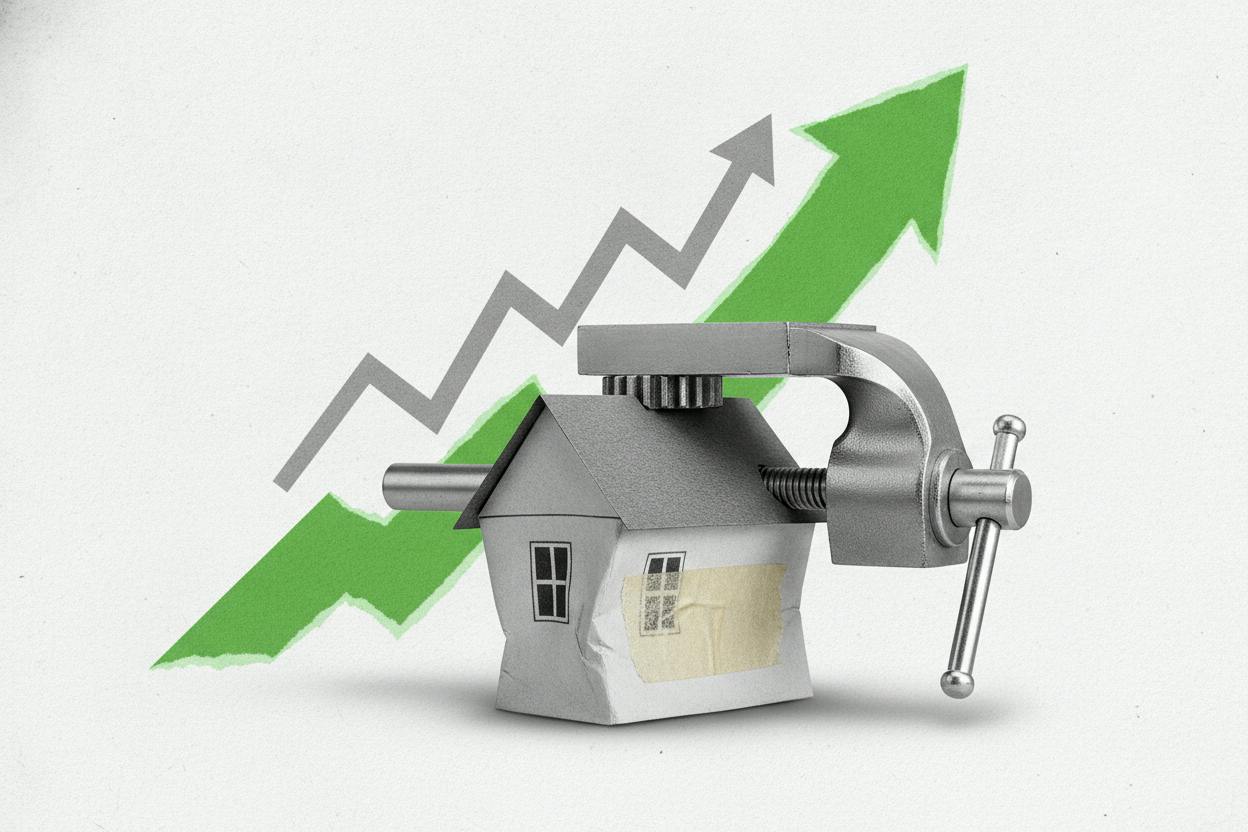
The US economy is sending mixed signals as we head into the final quarter of the year. On one hand, business activity is booming, according to the latest flash purchasing managers' indexes (PMIs) from S&P Global. On the other, the housing market is feeling the chill of higher borrowing costs, with mortgage applications falling again.
What the PMIs tell us
PMIs are survey-based indicators that gauge how business leaders feel about current conditions. They're often called "soft" data because they reflect sentiment rather than hard numbers like production or employment. But they're closely watched because they tend to move before official statistics do, giving investors an early read on the economy's direction.
In September, S&P Global's flash manufacturing PMI jumped to 57.0, up from 53.9 in August. That's the highest reading in 52 months. The services PMI also climbed, reaching 58.7 from 56.5, a 59-month high. Readings above 50 indicate expansion, so these numbers point to solid growth across both sectors.
The strength is notable because it comes despite ongoing concerns about inflation, interest rates, and global trade. It suggests that businesses are still seeing robust demand, even as the Federal Reserve keeps rates elevated to cool the economy.
Mortgage demand slips as rates climb
While businesses are humming, the housing market is struggling under the weight of higher mortgage rates. For the week ended September 18, mortgage applications fell 1.5%, according to the Mortgage Bankers Association. The drop comes as the average 30-year fixed mortgage rate reached its highest level since May 2024.
Higher rates make home buying more expensive, which typically dampens demand. This is a familiar story for the housing market, which has been sensitive to rate moves over the past couple of years. When rates rise, monthly payments increase, pricing some buyers out of the market and causing others to delay purchases.
The contrast between strong business sentiment and weak mortgage demand highlights the uneven impact of monetary policy. While manufacturers and service providers are benefiting from a resilient economy, the housing sector is feeling the pinch of affordability challenges.
What it means for investors
For everyday investors, these mixed signals underscore the importance of diversification. A portfolio that leans too heavily on one sector could be caught off guard by these diverging trends.
The strong PMI readings could be a positive sign for corporate earnings, as businesses that are expanding may see higher revenues. However, the housing slowdown could weigh on homebuilders, mortgage lenders, and related industries.
Investors should also keep an eye on the bond market. Rising mortgage rates are often tied to moves in Treasury yields, and higher bond yields can have broad implications for portfolios, affecting everything from stock valuations to borrowing costs.
It's also worth noting that PMIs are just one piece of the puzzle. They reflect sentiment, which can change quickly. Official data on jobs, inflation, and consumer spending will provide a clearer picture of the economy's health in the coming months.
Looking ahead
Investors will be watching to see whether the strength in business activity translates into sustained economic growth or fades as rate hikes work their way through the system. The Federal Reserve's next moves will be crucial. If inflation remains sticky, the central bank may keep rates higher for longer, which could further pressure the housing market.
For now, the economy appears to be on solid footing, but the cracks in housing are a reminder that not all sectors are feeling the same heat. As always, staying informed and keeping a long-term perspective is key.