The US economy expanded at a faster pace than initially reported in the first quarter, but the details beneath the headline tell a more complicated story for investors. Gross domestic product (GDP) was revised up to an annualized rate of 2.1% from the earlier estimate of 1.6%, according to the Bureau of Economic Analysis (BEA). However, the component that typically drives the bulk of economic activity—consumer spending—was marked down sharply to just 0.5%.
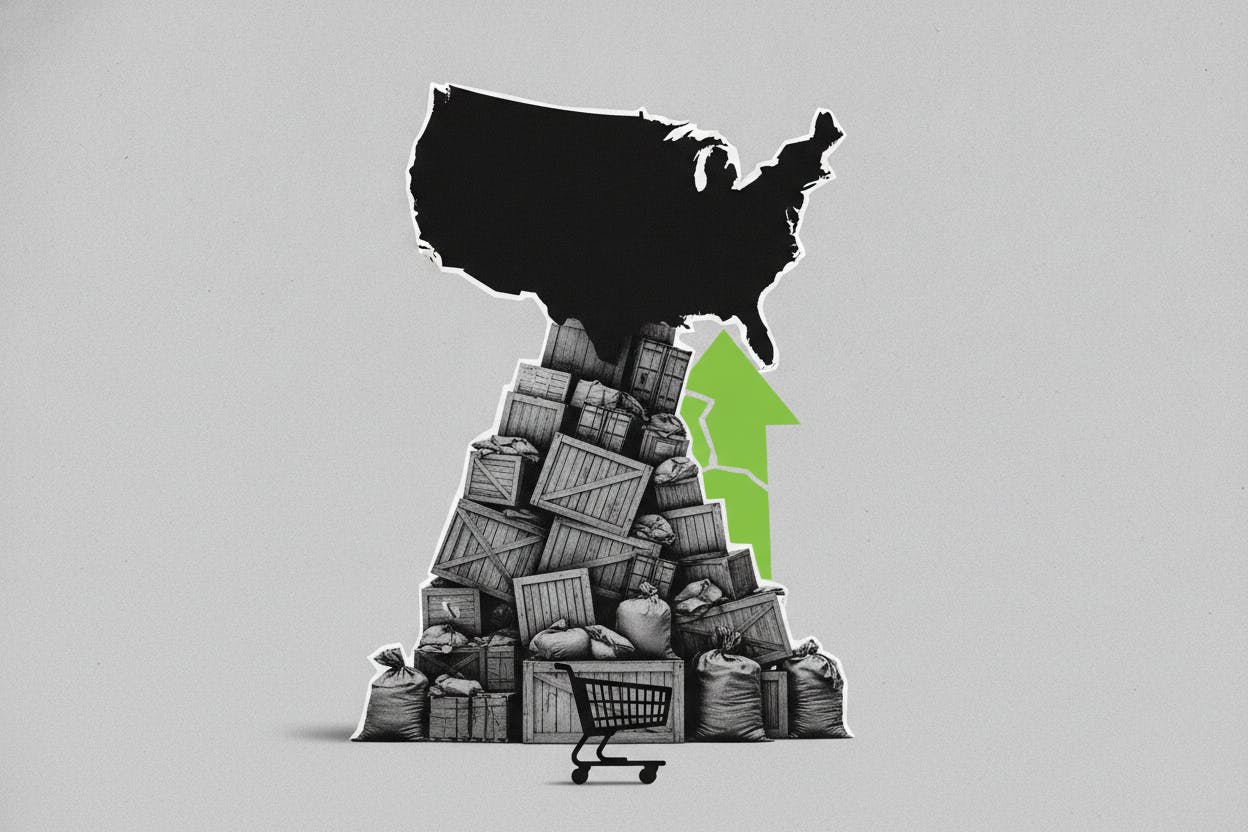
The revision means the economy appeared to accelerate from the fourth quarter of last year, but the mix of growth was far from typical. Instead of households leading the charge, the upgrade was powered by net exports (trade), private inventories (business stockpiling), nonresidential fixed investment (business spending on equipment and structures), and government outlays. Those categories can boost GDP without signaling the same underlying demand that benefits many US consumer-facing companies.
What Drove the Revision?
The BEA’s update showed that businesses added more to inventories than previously estimated, and trade flows contributed more positively to growth. Nonresidential fixed investment—spending on things like machinery, software, and factories—also came in stronger. Government spending at the federal, state, and local levels added to the mix.
While these components can lift the headline number, they are often more volatile than consumer spending. Inventory-led growth, in particular, can be a double-edged sword: if companies built up stockpiles faster than demand warrants, they may later cut production to work off excess inventory, which can drag on future GDP readings.
The consumer spending revision was the most notable shift. Personal consumption expenditures (PCE)—the official term for household spending on goods and services—were cut from an already modest pace. That suggests that the main engine of the US economy was sputtering even as the overall growth figure improved.
Inflation Stays Sticky
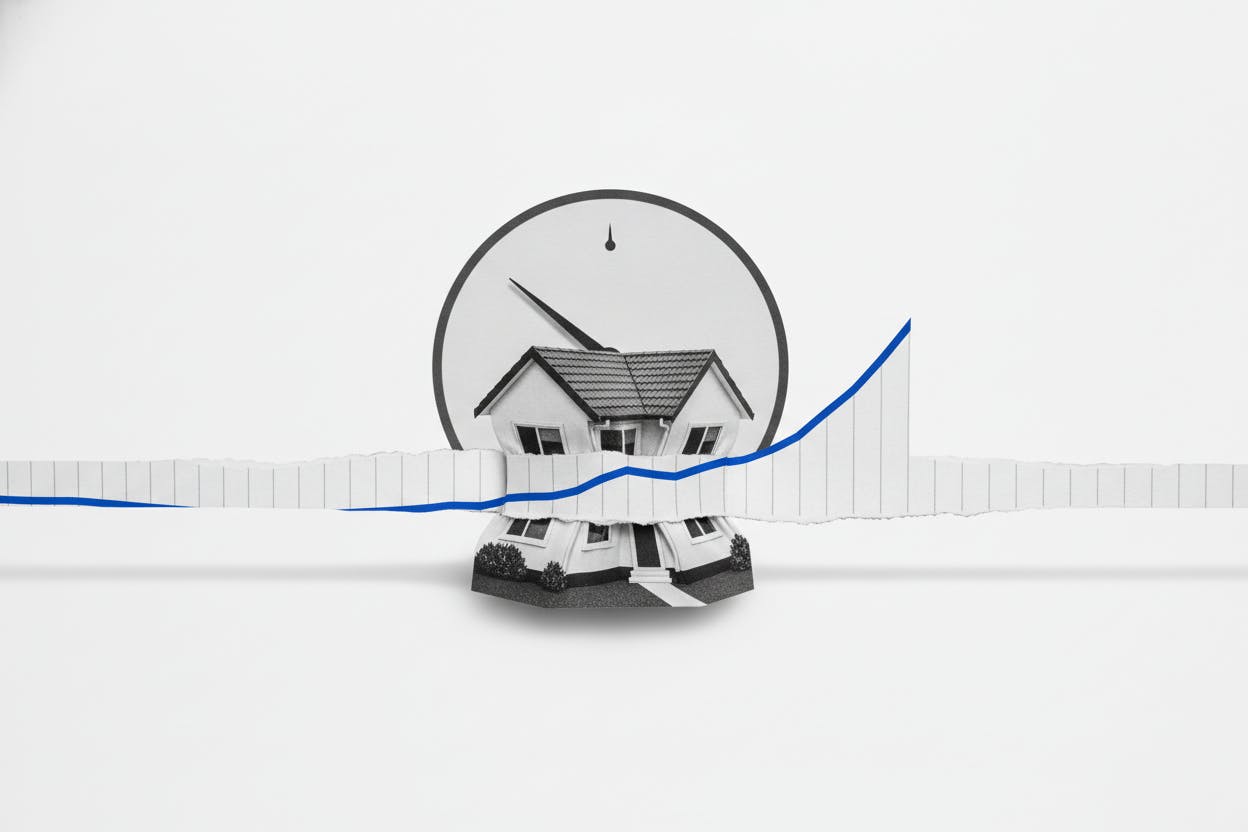
The GDP price index, a broad measure of prices across the entire economy, was revised up to a 3.6% increase. That is a reminder that inflation pressures remain persistent, even if growth is less consumer-driven. The upward revision keeps bond markets on edge, as investors watch for signs that price growth is cooling in a convincing way.
For context, the Federal Reserve’s preferred inflation gauge—the PCE price index—has been running above the central bank’s 2% target. The latest reading showed May PCE inflation at 4.1%, matching expectations but still elevated. The GDP price index revision adds to the narrative that inflation is proving “sticky,” which could influence the Fed’s thinking on interest rates.
What It Means for Investors
For equity investors, a 2.1% GDP print might sound like a solid number, but the composition matters. When growth is propped up by inventories and net exports, stocks tied to household spending—such as retailers, restaurants, and consumer goods companies—may not get the usual lift that comes with a consumer-led expansion. The weak consumer spending figure suggests that Main Street demand was softer than many had hoped.
Bond investors, meanwhile, are watching the inflation side. The upward revision to the GDP price index reinforces the view that the Fed may need to keep rates higher for longer to bring inflation down. That could keep yields elevated and pressure rate-sensitive sectors like real estate and utilities.
The next major data point will be the advance estimate of second-quarter GDP, due on July 30. Markets will be watching closely to see whether growth broadens out again—with consumers returning to the driver’s seat—or continues to rely on more volatile components like trade and inventories. A repeat of the first-quarter pattern could raise the odds of a “payback” later, when companies trim output to clear stockpiles, potentially dragging on future growth prints.
In the meantime, the mix of slower consumer spending and sticky inflation creates a challenging backdrop for investors. It also keeps the focus on the Fed’s preferred inflation gauge, which will be updated with the next PCE reading in the weeks ahead.