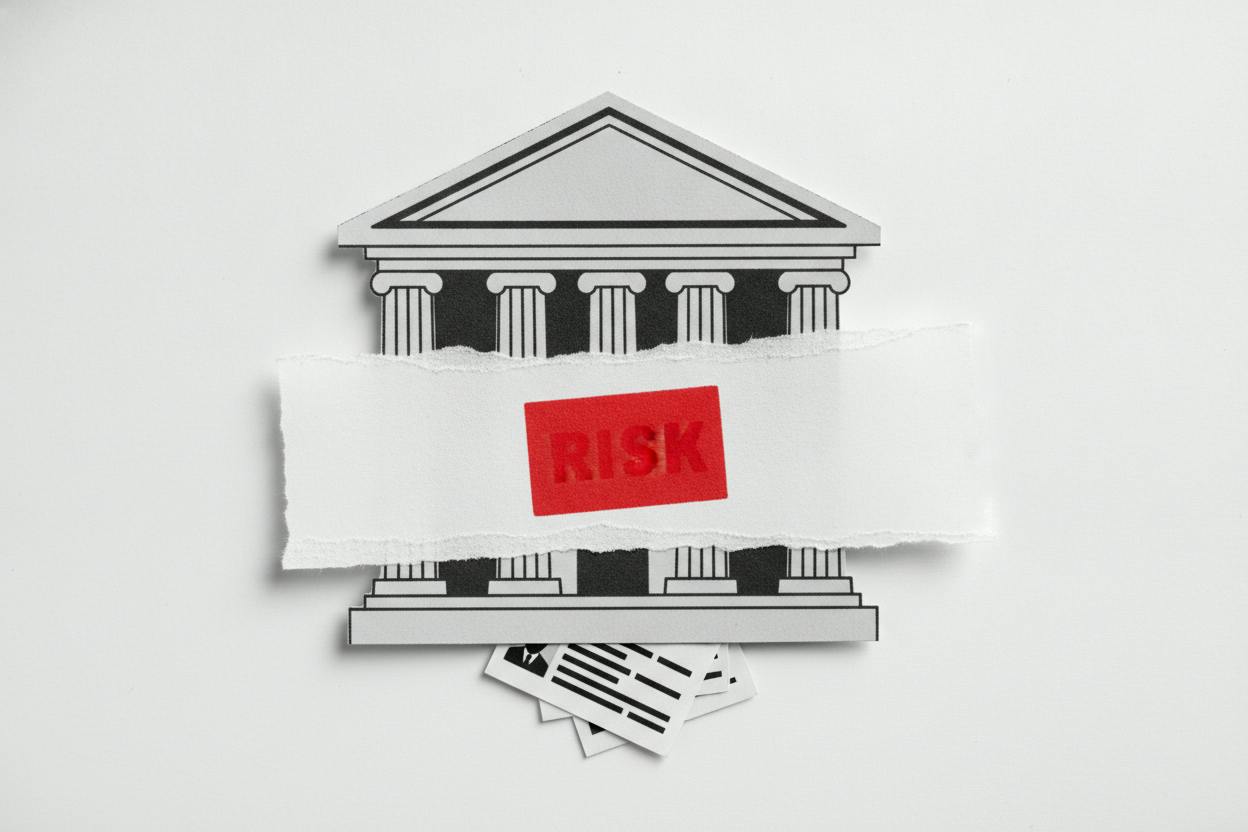
The Office of the Comptroller of the Currency (OCC), one of the main regulators for US banks, said on [date] that nine large banks had kept broad “reputation risk” policies that sometimes limited customers’ access to banking services. The finding, which covers the period from 2020 to September 2025, highlights a practice often called “debanking” — when banks cut off or restrict services for certain customers or businesses.
The OCC said these policies could restrict services based on customers’ political views or their involvement in lawful businesses. While banks have long considered reputation risk when deciding who to serve, the regulator is concerned that overly broad policies may go too far and unfairly exclude people or companies that are operating legally.
What is debanking and why does it matter?
Debanking happens when a bank decides to close an account, refuse to open one, or limit services for a customer. Banks often do this to manage risk — for example, to avoid money laundering, fraud, or reputational damage. But when the reason is based on a customer’s personal beliefs or the type of lawful business they run, it can raise fairness and legal concerns.
The OCC’s review focused on nine unnamed large banks. The regulator said the policies were in place from 2020 through September 2025, a period that saw heightened political and social tensions in the US. During that time, some banks faced pressure from both sides of the political spectrum over who they should or shouldn’t serve.
For everyday investors, this matters because banks are the backbone of the financial system. If banks can arbitrarily cut off customers, it could affect everything from small businesses trying to get a loan to individuals who simply want a checking account. The OCC’s action is a signal that regulators are watching how banks balance risk management with fair access.
What the OCC is doing about it
The OCC said it expects banks to review their reputation risk policies and ensure they are not using them to discriminate against lawful customers. The regulator’s findings are part of a broader effort to clarify how banks should handle these situations. While the OCC did not name the nine banks, it said they have been notified and will need to address the issues.
This is not the first time regulators have looked at debanking. In recent years, lawmakers and consumer advocates have raised concerns about banks cutting off services to certain industries, such as firearms dealers, cannabis businesses (where legal), or political groups. The OCC’s review suggests that such practices may be more widespread than previously thought.
For banks, the stakes are high. Reputation risk policies are meant to protect the bank’s image and avoid legal trouble. But if those policies are too broad, they could invite regulatory scrutiny, lawsuits, or public backlash. The OCC’s findings could lead to changes in how banks write and enforce these policies.
What it means for investors
For investors, the OCC’s announcement is a reminder that banks operate under heavy regulation. Any change in how banks manage risk could affect their costs, compliance burdens, and even their customer base. If banks are forced to loosen their reputation risk policies, they might take on more risk, which could affect their profitability.
On the other hand, clearer rules could reduce uncertainty. Banks that have been navigating vague guidelines might welcome more specific direction from regulators. Investors should watch for any follow-up actions from the OCC, such as fines or required changes, which could hit specific banks’ earnings.
The news also ties into broader trends in the banking sector. Regulators have been paying closer attention to how banks use data and technology, as seen in recent scrutiny of AI systems. And as banks report earnings, they’ve highlighted both growth and rising costs, as noted in recent earnings coverage.
For now, the OCC’s finding is a warning shot. It doesn’t name penalties, but it puts banks on notice that debanking practices will be reviewed. Investors should keep an eye on any banks that might be among the nine, as they could face regulatory actions down the line.
Ultimately, this story is about fairness and access in the financial system. For everyday investors, it’s a reminder that the rules governing banks can change, and those changes can ripple through the economy.