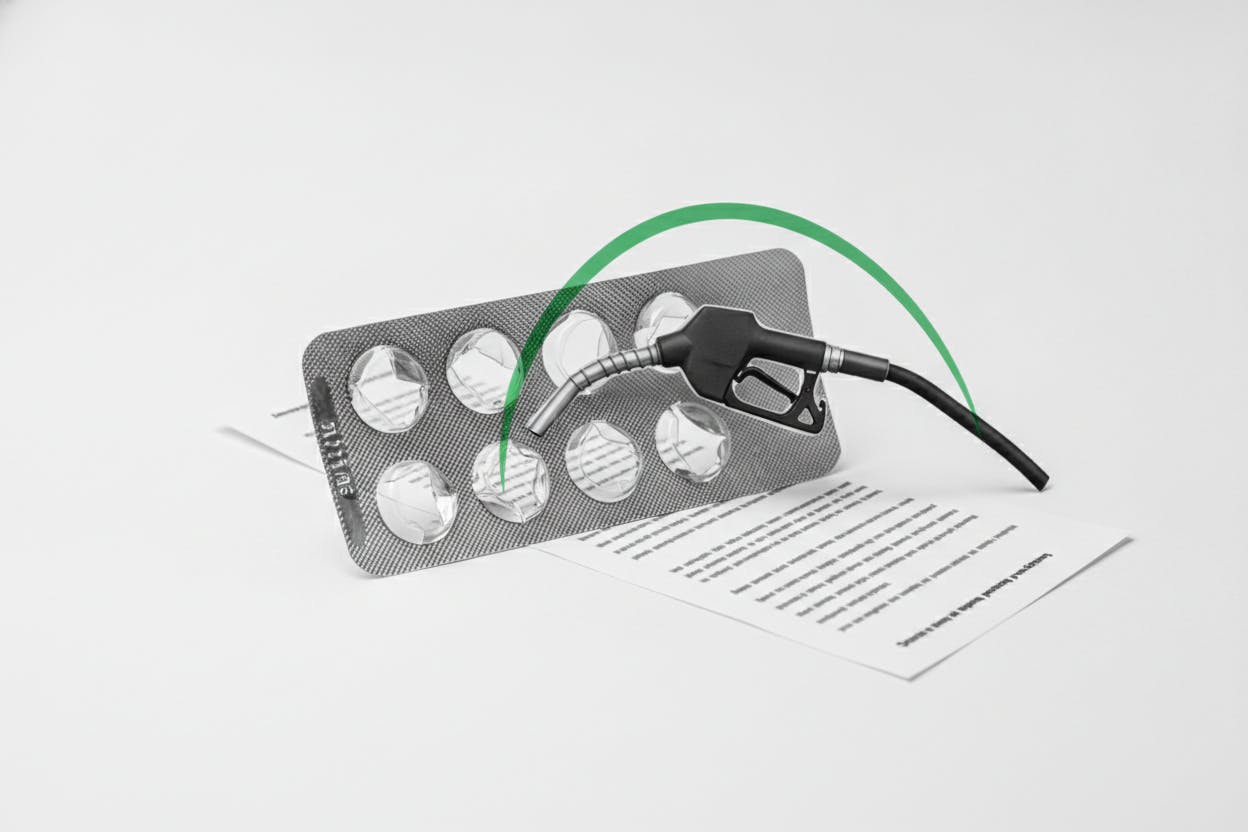
Dealmakers were busy on Tuesday, with two significant acquisitions announced across different sectors. Vertex Pharmaceuticals agreed to acquire Crinetics Pharmaceuticals for approximately $10 billion, while ADNOC Distribution lined up a roughly $1 billion purchase of Shell's fuel-retail business in South Africa. These deals suggest that corporate appetite for strategic acquisitions remains strong, even as broader market conditions fluctuate.
Vertex's Big Bet on Rare Disease Drugs
Vertex Pharmaceuticals, a Boston-based biotech giant known for its cystic fibrosis treatments, is paying about $10 billion to acquire Crinetics Pharmaceuticals. Crinetics specializes in developing therapies for rare endocrine diseases, including acromegaly and carcinoid syndrome. The acquisition gives Vertex access to a pipeline of experimental drugs that could diversify its revenue beyond cystic fibrosis, which currently accounts for the vast majority of its sales.
For Vertex, the deal is a calculated move to reduce reliance on its core franchise. The company has been under pressure from investors to find new growth drivers, as its cystic fibrosis portfolio faces eventual patent expirations and competition. By buying Crinetics, Vertex gains several late-stage clinical assets, including a potential treatment for acromegaly that could reach the market in the next few years. The acquisition also fits a broader trend of large pharmaceutical companies using M&A to replenish their pipelines, rather than relying solely on internal research and development.
This is not the only big pharma deal recently. Earlier this year, Novartis acquired UK biotech Myricx Bio in a $1.5 billion cancer drug deal, highlighting the industry's ongoing hunt for promising drug candidates.
ADNOC Distribution Expands in Africa
On the energy side, ADNOC Distribution, the fuel retail arm of Abu Dhabi's state oil company, announced it would acquire Shell's fuel retail business in South Africa for about $1 billion. The deal includes a network of service stations, convenience stores, and fuel storage facilities across the country. For ADNOC Distribution, this is a strategic move to expand its international footprint beyond the Middle East and into Africa, a continent with growing energy demand.
The acquisition also reflects a broader trend of Middle Eastern oil companies diversifying their downstream operations. By buying established retail networks, they can secure stable revenue streams from fuel sales and convenience retail, which are less volatile than crude oil prices. For Shell, the sale is part of its ongoing strategy to streamline its portfolio and focus on higher-margin businesses, such as liquefied natural gas and renewable energy. Shell has been divesting retail assets in various countries as it pivots toward cleaner energy sources.
This deal follows ADNOC Distribution's purchase of Shell's South Africa fuel network, which was first reported earlier this week.
What It Means for Investors
For everyday investors, these deals offer several takeaways. First, M&A activity can be a signal of confidence from corporate management. When companies are willing to spend billions on acquisitions, it often indicates they see growth opportunities ahead, even in a uncertain economic environment. However, investors should also be cautious: large acquisitions can be risky if the buyer overpays or struggles to integrate the target.
In the case of Vertex, the $10 billion price tag is substantial, but the company has a strong balance sheet and a history of successful drug development. Investors in Vertex will want to watch how the Crinetics pipeline performs in clinical trials and whether the deal delivers on its promise of diversifying revenue. For those holding shares of Crinetics, the acquisition likely means a premium payout, as acquirers typically offer a significant premium over the current stock price.
For ADNOC Distribution, the $1 billion deal is relatively small compared to its parent company's resources, but it represents a meaningful step into a new market. Investors in ADNOC Distribution may see this as a positive move toward geographic diversification, though they should also consider the regulatory and operational risks of operating in South Africa, including currency fluctuations and political instability.
Overall, Tuesday's deals show that M&A is alive and well across both healthcare and energy sectors. For investors, these transactions can create opportunities, but they also underscore the importance of understanding the strategic rationale behind each deal. As always, it's wise to look beyond the headline numbers and consider how an acquisition fits into a company's long-term strategy.
Other notable M&A activity this week includes HSBC reviewing its Turkey retail and small-business banking operations, signaling a possible exit from that market, and Rivian raising $1.5 billion in a stock sale to fund its Georgia plant and R2 SUV production.