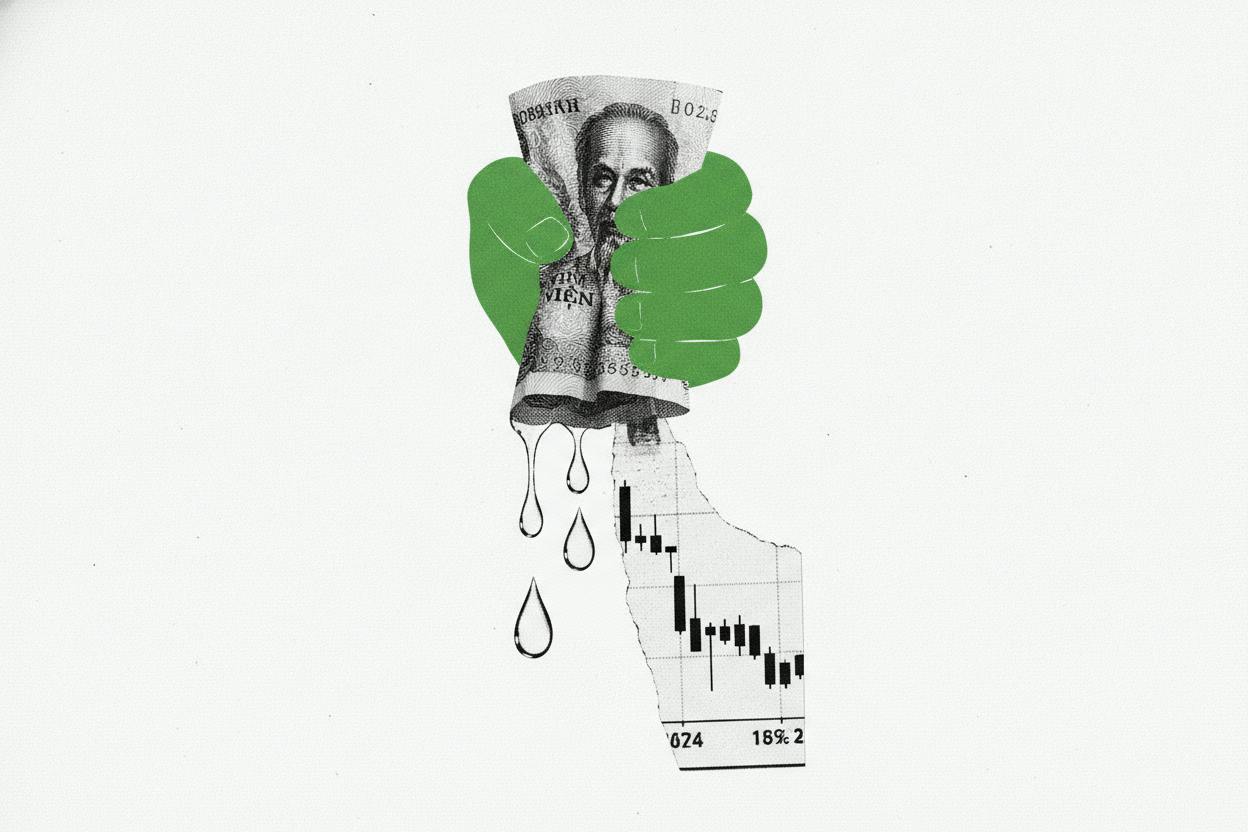
Vietnam's dong strengthened in early November, with the dollar-dong exchange rate easing to 25,751 on November 3. At the same time, the country's benchmark stock index, the VN Index, slipped to 1,708, down from 1,839 on September 7. The divergence highlights a key tension for investors: a firmer currency isn't always a boon for equities.
What's behind the dong's strength?
A stronger dong can be a positive for Vietnam's import-reliant economy. It helps reduce the local-currency cost of fuel, raw materials, and other essentials, which can ease inflationary pressures and support consumer spending. But the stock market's decline suggests investors are focused on the broader financial conditions, not just the exchange rate.
The State Bank of Vietnam (SBV), the country's central bank, plays a crucial role here. When a central bank wants to support its currency, it often sells US dollars from its foreign-currency reserves and takes local currency out of the banking system. This process, known as a liquidity drain, can make credit tighter and more expensive. That tends to weigh on risk-sensitive assets like equities, as borrowing costs rise and margin lending becomes less attractive.
Vietnam's foreign-currency reserves were previously reported at $87.6 billion in June 2026, giving policymakers some room to intervene. However, markets still debate how much of the dong's strength is due to official action versus healthier capital inflows from trade and investment.
Why stocks are slipping
The VN Index's drop from 1,839 to 1,708 represents a decline of about 7% in under two months. While a firmer currency can be a sign of economic strength, the mechanism behind it matters. If the dong is being kept firm mainly through SBV operations that soak up local cash, that can tighten day-to-day funding for banks and businesses. It can also cool margin lending, reducing investors' willingness to pay up for growth.
In this setup, the same force that steadies the exchange rate can also help explain why equities stay under pressure, especially if earnings expectations don't rise fast enough to offset higher financing costs. This dynamic is not unique to Vietnam. In other Asian markets, central bank intervention to manage currency strength has often coincided with softer stock performance, as seen in China's central bank tightening dollar supply to cool the yuan's rally.
Investors are also watching global cues. Regional markets have been mixed, with Asian tech stocks sliding on AI valuation worries and the dollar slipping as oil prices drop ahead of key data and policy decisions. These external factors can influence capital flows into emerging markets like Vietnam.
What it means for investors
For everyday investors, the key takeaway is that currency strength isn't automatically bullish for stocks. What matters is the reason behind it. If the dong is being supported by central bank intervention that drains liquidity, that can tighten financial conditions and weigh on equities. On the other hand, if the strength is driven by genuine capital inflows from exports or foreign investment, it could be a more positive sign.
Investors should also consider the broader context. Vietnam's economy is closely tied to global trade, and a firmer dong can help control import costs, which is beneficial for businesses that rely on foreign inputs. However, it can also make Vietnamese exports more expensive, potentially hurting competitiveness.
The VN Index at 1,708 remains well above its pandemic lows, but the recent pullback suggests that investors are becoming more cautious. As Indian stocks extend gains on easing crude and foreign buying, Vietnam's market may need similar catalysts to regain momentum.
Looking ahead, market participants will be watching the SBV's next moves. If the central bank continues to intervene to keep the dong firm, liquidity conditions could remain tight, keeping a lid on stock prices. Conversely, if the dong stabilizes without further intervention, equities could find some relief.
For now, the message is clear: in Vietnam, a stronger currency and a weaker stock market can go hand in hand, and understanding the mechanics behind the moves is essential for making informed investment decisions.