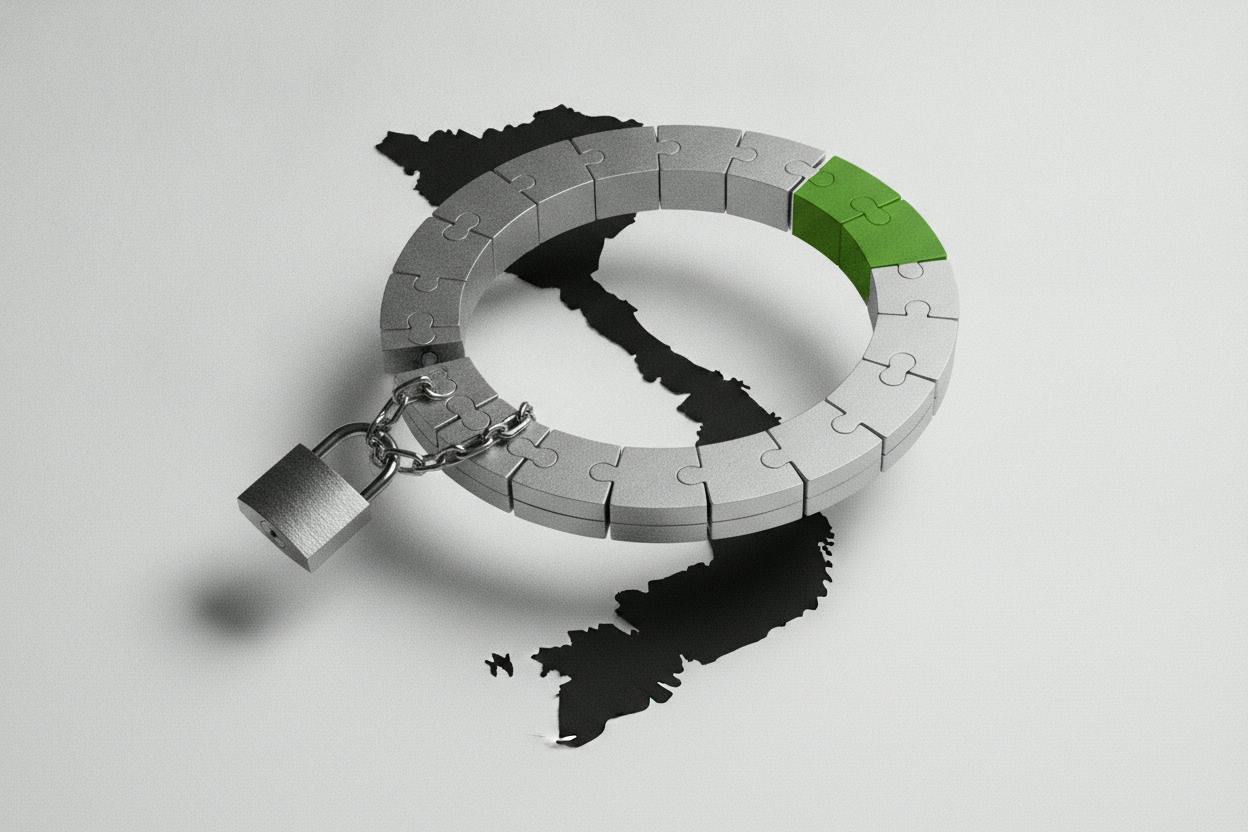
Vietnam has taken a significant step onto the global investing stage. This week, FTSE Russell, one of the world's largest index providers, began including Vietnamese shares in its emerging markets benchmarks. The move, which follows years of regulatory tweaks aimed at opening the country's stock market to foreign money, could ultimately steer as much as $6 billion into Vietnamese equities.
For everyday investors, the headline number is impressive, but the real story is about how index inclusion works and why it matters for anyone with money in global funds.
What just happened?
FTSE Russell, which runs a family of indexes used by fund managers worldwide, has started adding Vietnamese stocks to its emerging markets indexes. This is not a one-time event. The inclusion is being done in phases, with the next tranche expected in March. That staggered approach gives fund managers time to adjust their portfolios without causing a sudden rush of buying or selling.
The reason this matters is that many investment funds don't actively pick which stocks to own. Instead, they track a benchmark index—like FTSE's emerging markets index—and buy whatever is in it. When a country is added to an index, those funds are effectively forced to buy its stocks to stay aligned with their benchmark. That's why index inclusion can be a powerful catalyst for a market.
Why Vietnam? Why now?
Vietnam has been working for years to make its stock market more accessible to foreign investors. The country has relaxed ownership limits, improved trading infrastructure, and made it easier for overseas money to flow in and out. These changes were aimed squarely at meeting the criteria for inclusion in global indexes, which require markets to be open, transparent, and liquid enough for large institutional investors.
The effort has paid off. FTSE's decision is a recognition that Vietnam's market has matured to the point where it can handle the demands of global investors. It also places Vietnam alongside other emerging markets that are already part of these benchmarks, giving it a new level of visibility and credibility.
Vietnam's economy has been one of Asia's fastest-growing in recent years, driven by manufacturing, exports, and a young, increasingly urban population. The country has also benefited from companies shifting supply chains away from China. But its stock market has often been overlooked by global investors because of the old restrictions. That is now changing.
What does this mean for investors?
For ordinary investors, the most direct impact is likely to come through funds that track emerging markets. If you own an emerging markets index fund or ETF, you may soon find that it holds a small slice of Vietnamese companies. That's a natural consequence of the index change, and it means your exposure to Vietnam will rise without you having to do anything.
The potential $6 billion inflow is significant for a market that is still relatively small. It could boost share prices, at least in the short term, as fund managers build their positions. But it's important to remember that index inclusion is not a guarantee of long-term gains. Once the buying is done, the market will have to stand on its own fundamentals.
Investors should also be aware that Vietnam is still an emerging market, which means it comes with higher risks—including currency volatility, political uncertainty, and less mature corporate governance—than developed markets. The potential for higher returns comes with higher risk.
What to watch next
The next key date is March, when the second tranche of inclusion is expected. That could bring another wave of buying and renewed attention on Vietnamese stocks. Analysts will be watching to see how smoothly the process goes and whether any hiccups emerge.
Beyond FTSE, there's also the question of whether other index providers, like MSCI, will follow suit. MSCI has been reviewing Vietnam for possible inclusion in its own emerging markets indexes, and FTSE's move could add pressure to make a decision. If MSCI also adds Vietnam, the total inflows could be even larger.
For now, the immediate takeaway is that Vietnam has crossed a threshold. The country's stock market is no longer on the sidelines of global investing. It's now part of the game, and that could have lasting effects on both Vietnamese companies and the investors who own them.
If you're interested in how this fits into the broader picture of global markets, you might also want to check out our look at which global markets look cheap or pricey right now, or how dollar strength and oil prices are affecting emerging Asia. And for a sense of how Vietnam is engaging with international finance, there's news that the country is considering its first dollar bond sale in over a decade.
As always, remember that index changes like this are just one factor in a complex market. They can create opportunities, but they don't replace the need for careful research and a long-term perspective.