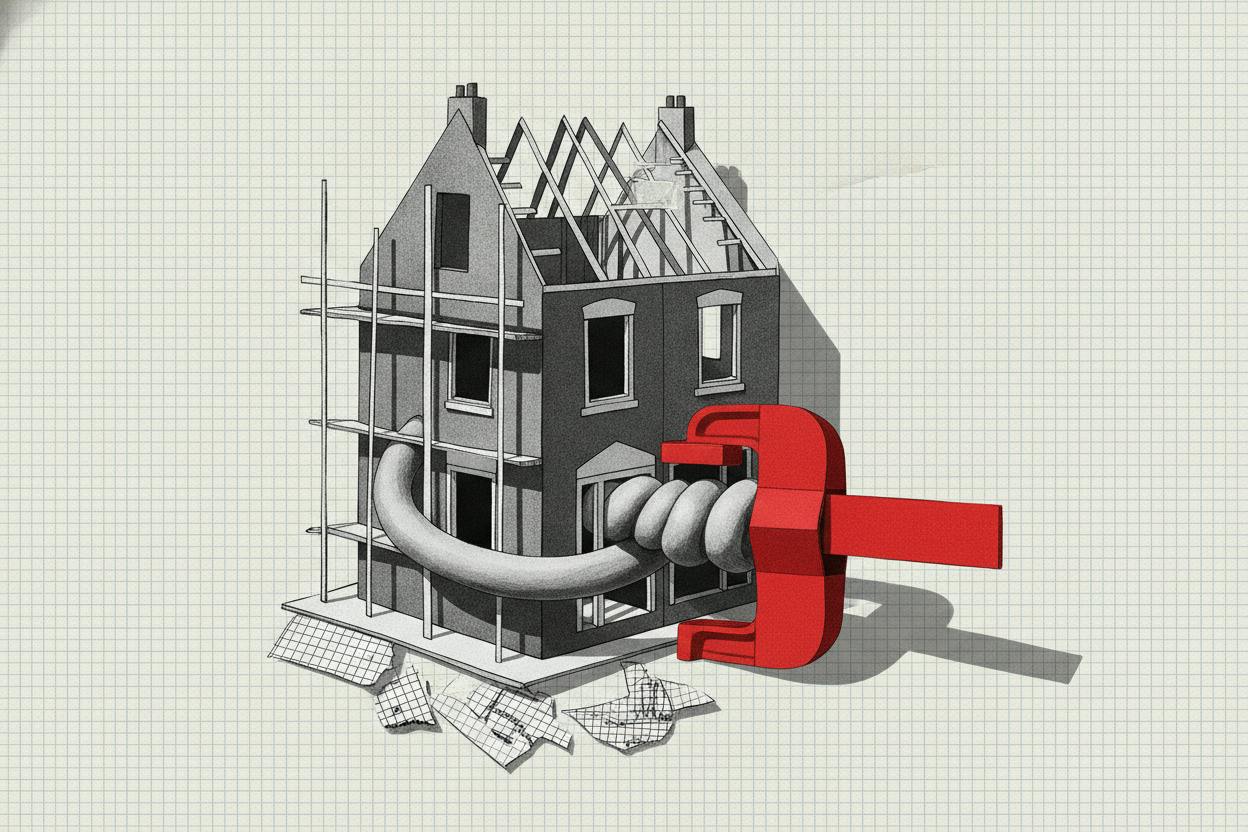
Vistry, the UK's biggest affordable homebuilder, announced Thursday that it is cutting jobs and refinancing a £900 million borrowing facility as part of a broader effort to strengthen its balance sheet. The company, which builds homes for first-time buyers and affordable housing schemes, is also reshaping its regional footprint, with a new structure expected to be in place by January 2027.
The news comes against a backdrop of a still-sluggish UK housing market, where higher mortgage rates and elevated interest rates have dampened buyer demand. For housebuilders, cash flow is everything: they pay upfront for land and construction, then recoup their money when homes are completed and sold. When sales slow, debt can quickly pile up.
Why Vistry is restructuring
Vistry has been one of the most active players in the affordable housing segment, a niche that has historically been more resilient than the open market because of government support and housing association demand. However, even that segment has felt the chill from higher borrowing costs. The company says it is reviewing its operations to simplify its structure and reduce its regional presence, which should help cut costs and improve efficiency.
The refinancing of the £900 million facility is a key part of the plan. By securing new terms, Vistry aims to reduce its interest burden and extend repayment timelines, giving it more breathing room in a tough market. The company has not disclosed the new terms, but such moves typically involve renegotiating covenants or extending maturities.
Job cuts are an inevitable part of the restructuring. While the company has not specified how many roles will be affected, it is clear that the goal is to streamline operations and align costs with a lower level of activity. This is a common pattern among housebuilders during downturns, as they look to preserve cash and protect margins.
What this means for investors
For everyday investors, this news is a reminder that housebuilders are highly sensitive to interest rates and the health of the housing market. When rates rise, mortgages become more expensive, which reduces demand for new homes. That, in turn, hits builders' revenues and can force them to take action like Vistry's.
The restructuring is likely to be seen as a positive step by many analysts, as it addresses the company's debt load and positions it for a potential recovery. However, it also signals that the company expects the housing market to remain challenging for some time. The new structure due in January 2027 suggests a long-term plan, not a quick fix.
Investors should also note that Vistry's focus on affordable housing provides some cushion. Government programs and housing associations tend to keep demand more stable than the open market, which could help the company weather the storm better than some peers. Still, the job cuts and refinancing are clear signs that even this segment is not immune to the broader economic pressures.
Broader market context
The UK housing market has been under pressure since the Bank of England began raising interest rates to combat inflation. Mortgage rates have climbed, making it harder for many people to afford a new home. This has led to a slowdown in house price growth and a drop in transaction volumes, which directly affects builders like Vistry.
Other housebuilders have also taken steps to manage their finances, such as slowing land purchases or reducing construction starts. Vistry's move is part of a wider trend of caution across the sector. The company's decision to refinance now, rather than wait, suggests it wants to lock in terms before conditions potentially worsen.
Looking ahead, investors will be watching for more details on the restructuring, including the exact number of job cuts and the cost savings expected. They will also be monitoring the housing market for any signs of recovery, which would help Vistry and its peers. For now, the focus is on stability and positioning for the long term.
As with any restructuring, there are risks. Execution is key, and if the housing market deteriorates further, the company may need to take additional measures. But for investors who understand the cyclical nature of housebuilding, this could be seen as a prudent move to protect the business through a difficult period.
In the meantime, Vistry's story is a useful case study in how companies adapt to changing economic conditions. By cutting costs, refinancing debt, and simplifying operations, it is taking steps that many businesses in similar situations have taken. Whether it will be enough remains to be seen, but the company is clearly not sitting still.