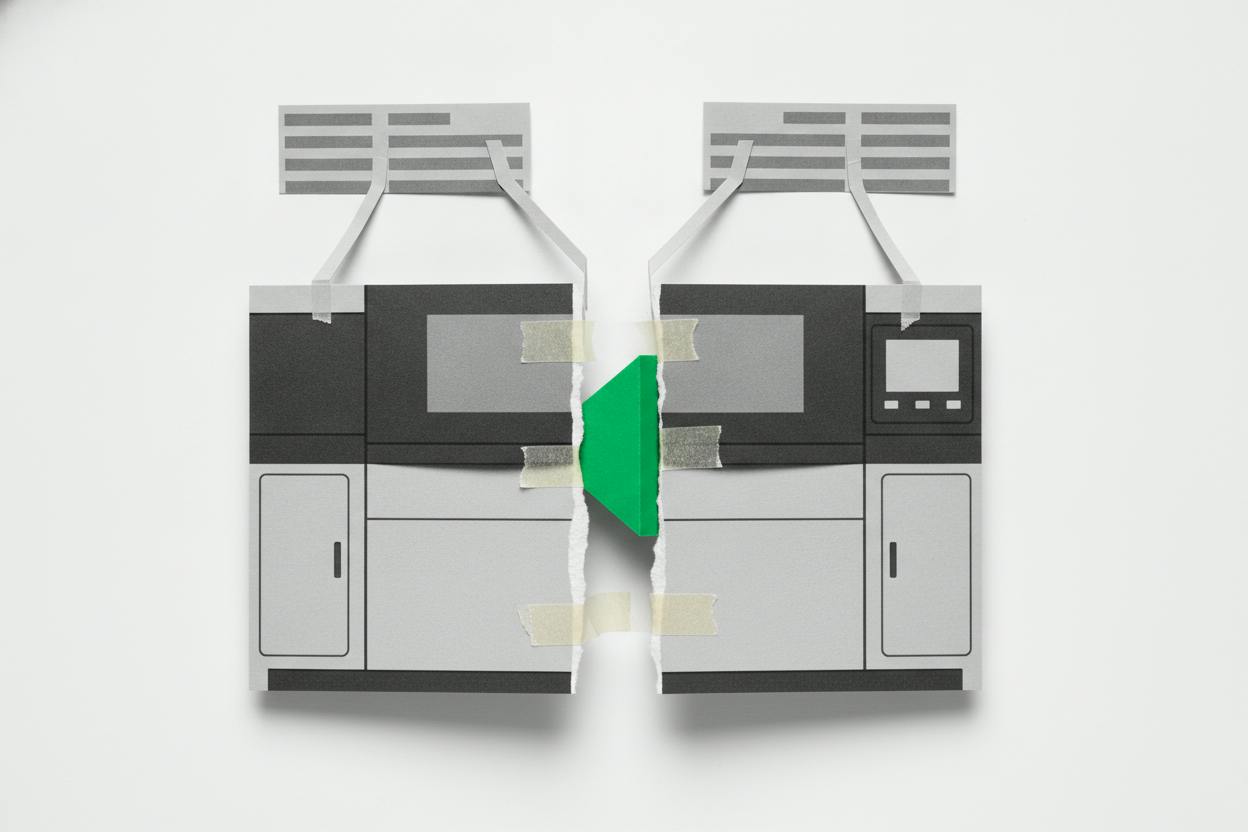
Siemens Healthineers, the German medical-technology group, has formally started the process of separating its diagnostics business, which will be rebranded as Olyrian Diagnostics. The carve-out is expected to run through mid-2028, and the unit will remain consolidated within Siemens Healthineers during the transition. The move sets the stage for a potential sale or spin-off later, though the company has not announced a specific exit plan.
What is being carved out?
The diagnostics unit is a substantial part of Siemens Healthineers. It runs more than 16 billion diagnostic tests a year, employs roughly 20% of the group's workforce, and contributes about 17% of total revenue. These tests include blood work, urine analysis, and other laboratory procedures that doctors rely on for everything from routine check-ups to managing chronic conditions.
Management's stated goal is to lift the unit's profitability to "mid-teens" operating margins over time. In the latest quarter, the adjusted earnings margin stood at just 5.4%. To get there, the company plans an additional €400 million in cost savings, on top of any previously announced efficiency measures.
The carve-out is not a quick financial engineering move. It involves separating IT systems, human resources, compliance functions, and other shared services. Such operational splits often create what are known as "stranded costs" — overhead that used to be shared across the group but now has to be duplicated or maintained separately, even if the underlying business is healthy. These costs can temporarily drag on group profitability even as the standalone unit becomes more efficient.
Why the separation matters
For investors, the story is less about a new brand and more about the earnings bridge. If Olyrian can move from a 5.4% margin to the mid-teens, its standalone earning power would look very different. That would matter for how the market values any eventual divestment, whether through a sale, an IPO, or a spin-off to shareholders.
But because Olyrian stays inside Siemens Healthineers until mid-2028, reported results may include temporary noise. Duplicated roles, new IT and compliance setups, and stranded costs could all weigh on headline earnings in the coming years. The key question is whether improving underlying performance can outpace the carve-out drag.
This is a common pattern in corporate carve-outs. Companies often see short-term margin pressure as they separate a business, even if the long-term logic is sound. Investors who focus only on quarterly numbers might be misled by the transition costs, while those who look through the noise could see the potential upside.
What it means for investors
For everyday investors holding Siemens Healthineers shares, the next few years will be a test of execution. The company has set a clear profitability target, but the path there is long and potentially bumpy. The €400 million in planned savings is a concrete number, but achieving it will require disciplined cost management across a sprawling operation.
Investors should also watch for any signs that the carve-out is taking longer or costing more than expected. Delays or cost overruns could push the margin improvement further out. Conversely, if the unit hits its targets ahead of schedule, that could boost confidence in the eventual divestment value.
The broader context is also important. Siemens Healthineers has been dealing with challenges in its diagnostics business, particularly in China, where demand has been soft. As noted in our earlier coverage of slower 2027 growth due to China, the company has already flagged headwinds in that region. The carve-out is partly a response to those pressures, as it aims to make the diagnostics unit more competitive and efficient on its own.
For investors, the key takeaway is to focus on the underlying earnings trend rather than the quarterly noise. If Olyrian can deliver on its margin promise, the eventual separation could unlock value. But the transition period will require patience.
As with any major corporate restructuring, there are risks. The carve-out could distract management from the core business, or the stranded costs could prove stickier than expected. On the other hand, successful carve-outs often lead to better-focused businesses and higher valuations.
Investors should also consider the broader market environment. Medical technology is a defensive sector, but it is not immune to economic cycles. Interest rates, healthcare spending, and regulatory changes all play a role. The company's ability to execute this carve-out while navigating those external factors will be crucial.
In the meantime, the market will be watching the quarterly numbers for signs of progress. The next few years will reveal whether the carve-out is a value-creating move or just a costly exercise in corporate reshuffling.