Wall Street managed to push higher on Friday even as the U.S. Trade Representative (USTR) imposed new tariffs on 60 trade partners. But the chip sector, a key driver of recent market gains, failed to join the rally. Intel, one of the industry's biggest names, slid despite reporting better-than-expected second-quarter results and outlining ambitious plans to expand its artificial intelligence and chip foundry businesses.
New tariffs target forced labor enforcement
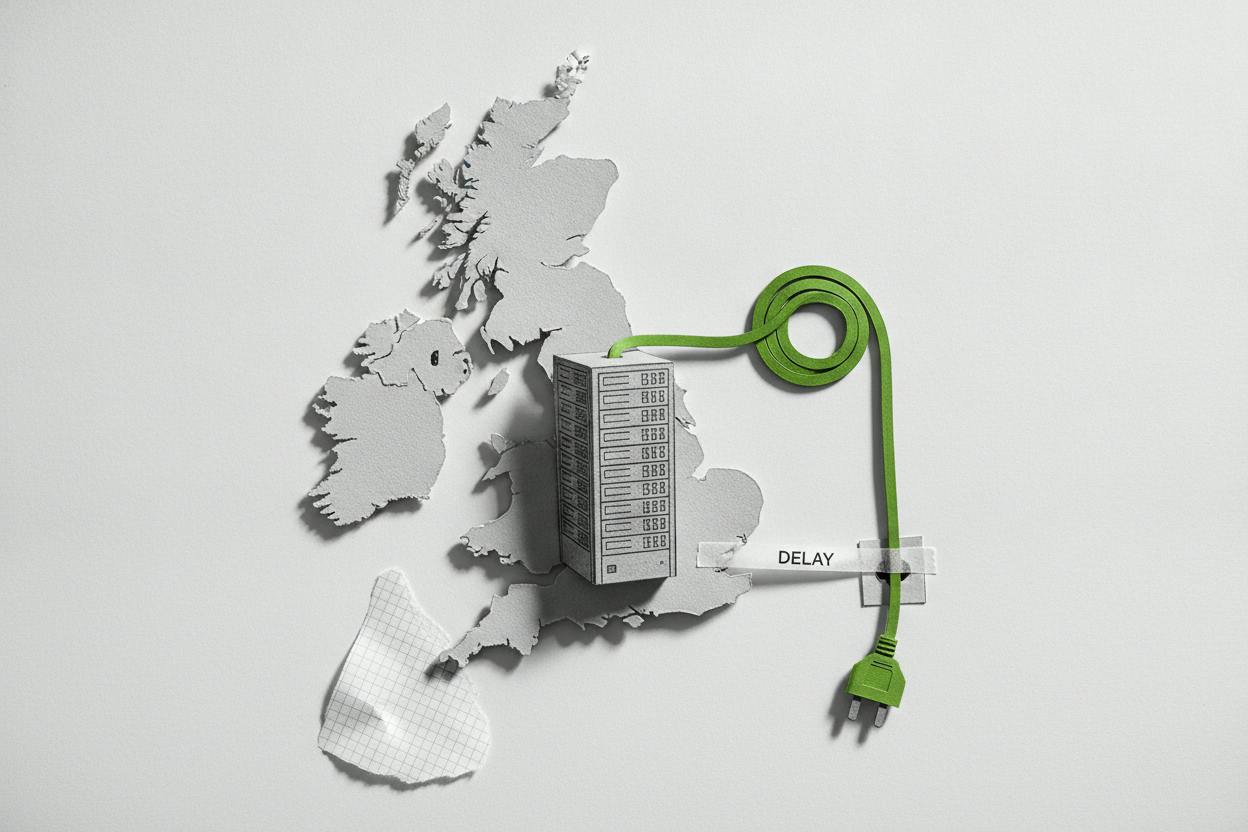
The Office of the U.S. Trade Representative rolled out the new duties just after midnight Friday, targeting countries that the U.S. says have not effectively enforced bans on imports linked to forced labor. The tariffs are tiered: 10% for countries that have committed to prohibit forced labor, and 12.5% for those that have not. The move affects a broad range of goods and marks the latest escalation in trade policy under the current administration.
Despite the fresh trade friction, the broader market took the news in stride. The S&P 500 and Nasdaq both rose, helped by gains in energy and consumer stocks. Investors appeared to view the tariffs as a targeted policy measure rather than a broad trade war escalation, especially after recent drops in oil and bond yields had eased some inflation concerns.
Intel slides despite strong quarter
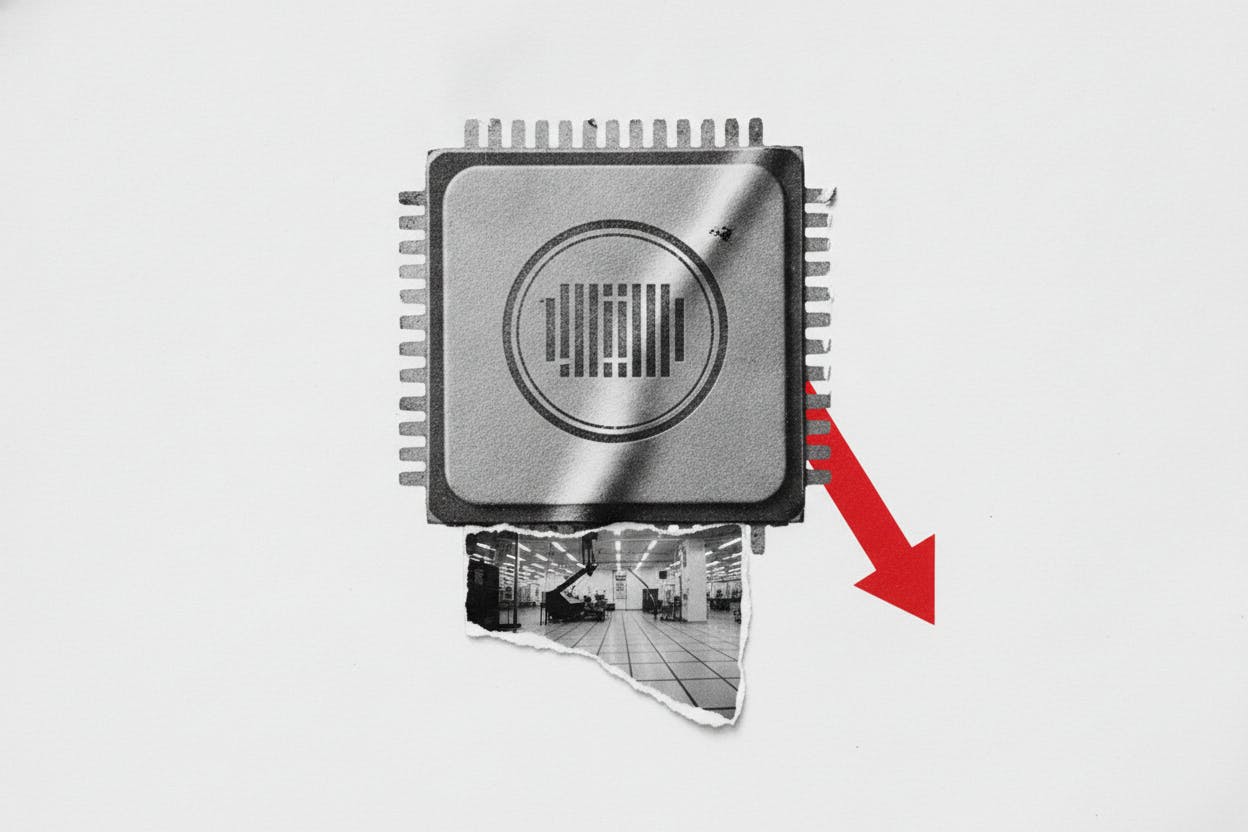
Intel reported second-quarter earnings that beat analyst expectations, with revenue and profit both coming in ahead of forecasts. The company also announced plans to increase spending on its artificial intelligence chip business and its foundry operations, which manufacture chips for other companies. Foundries are a key part of Intel's turnaround strategy under CEO Pat Gelsinger, as the company tries to catch up with rivals like TSMC and Samsung in advanced chip manufacturing.
But investors were not impressed. Intel shares fell sharply on Friday, suggesting that the market had hoped for even stronger results or was worried about the higher spending. The company said it would ramp up capital expenditures to build new fabrication plants and develop next-generation AI chips, a costly endeavor that could weigh on profits in the near term. This echoes a broader theme in the chip sector: growing doubts about AI spending have weighed on chip stocks in recent weeks, as investors question whether the huge investments in AI infrastructure will pay off quickly enough.
What it means for investors
For everyday investors, the mixed market action on Friday offers a few key takeaways. First, the market's ability to rise despite new tariffs suggests that trade policy is not the dominant concern it once was. Investors have grown accustomed to trade tensions and are focusing more on corporate earnings, interest rates, and the broader economic outlook.
Second, Intel's decline despite a strong quarter is a reminder that good earnings are not always enough to lift a stock. When a company announces plans to spend heavily on growth, the market may punish the stock in the short term, even if the long-term strategy makes sense. This is especially true in capital-intensive industries like chip manufacturing, where building new factories can cost billions of dollars and take years to generate returns.
Third, the divergence between the broader market and chip stocks highlights the importance of diversification. While the S&P 500 rose, the chip sector—represented by ETFs like the iShares PHLX Semiconductor Sector Index Fund—bucked the trend, as chip ETFs struggled amid sector-specific headwinds. Investors with concentrated exposure to tech or semiconductors may have felt the pain, while those with a more balanced portfolio likely fared better.
Looking ahead
Investors will be watching for further details on the new tariffs, including how trading partners respond. Some countries have already signaled they may retaliate, which could escalate trade tensions and create new headwinds for global supply chains. The chip sector, in particular, is sensitive to trade policy because many components cross borders multiple times during production.
Intel's next moves will also be closely watched. The company's foundry business is a long-term bet that could reshape the global chip landscape, but it comes with significant execution risk. For now, the market is taking a wait-and-see approach, rewarding companies that deliver strong results without promising too much future spending.
Overall, Friday's session was a reminder that markets can absorb bad news when the underlying economic and earnings picture remains solid. But the chip sector's struggles show that even in a rising market, not every stock gets a free pass.