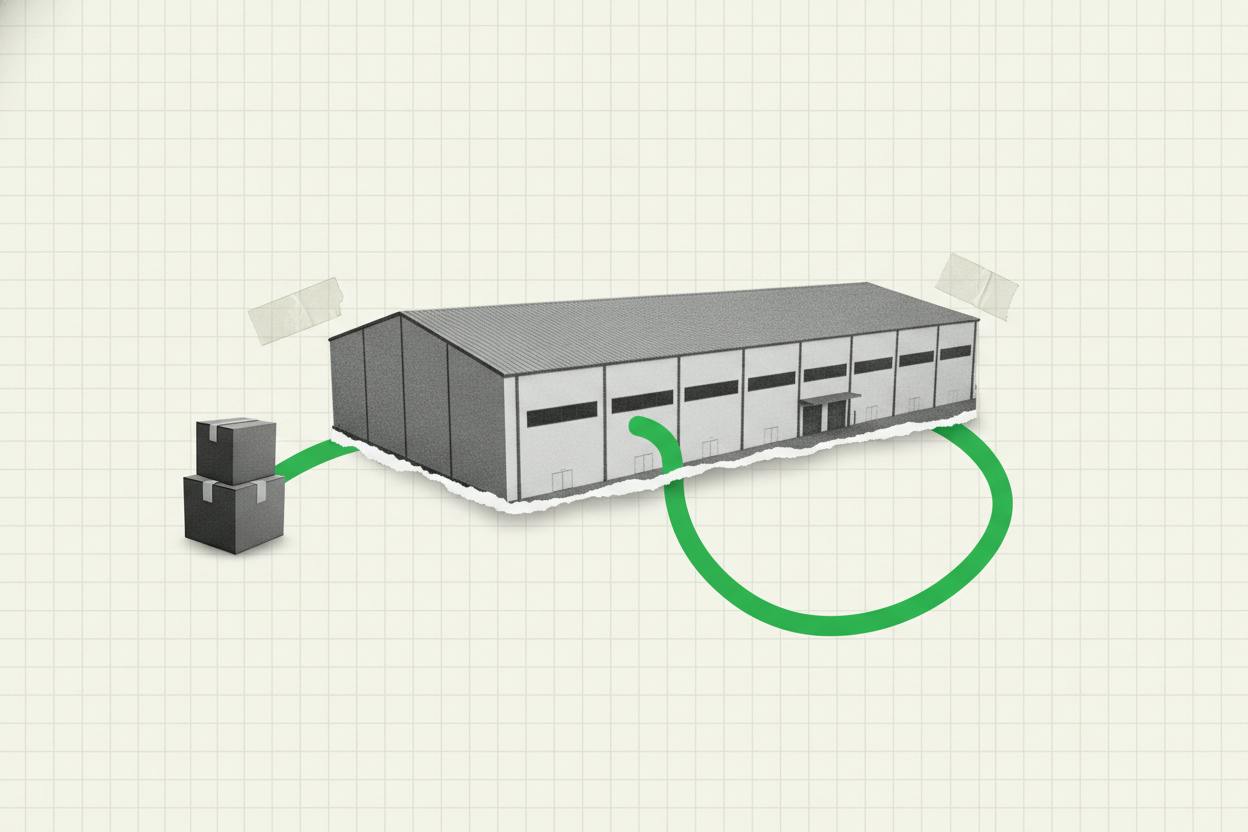
Walmart gave consumer stocks a boost on Tuesday after unveiling a sprawling new fulfillment hub in Stockton, California. The retail giant's shares climbed 2.5% on the news, as investors read the move as a signal that Walmart is serious about speeding up deliveries without letting costs spiral out of control.
The 900,000-square-foot facility is expected to create more than 1,000 jobs and will handle online orders across the West Coast. For a company of Walmart's scale, that's not just a logistical upgrade—it's a strategic bet on the economics of e-commerce.
Why delivery speed matters for retailers
In modern retail, delivery speed isn't just a nice perk for customers. It's a competitive weapon. Shoppers increasingly expect packages to arrive in a day or two, and retailers that can't meet that bar risk losing sales to rivals like Amazon or Target.
But speed comes at a cost. Faster shipping often means more warehouses, more workers, and more complex logistics. That's why Walmart's investment in its own fulfillment network is significant: by routing more online orders through company-owned facilities closer to customers, Walmart can reduce its reliance on pricier third-party carriers and shorten the final leg of delivery.
This is a scale game. The more orders a retailer processes through its own network, the cheaper each package becomes to handle. That's a key reason investors cheered the Stockton hub—it suggests Walmart is finding ways to grow its e-commerce business without crushing its profit margins.
What this means for Walmart's bottom line
Walmart has been investing heavily in its supply chain for years, from automated warehouses to expanded pickup and delivery options. The Stockton facility is part of that broader push. By adding capacity in California, Walmart can serve a huge population center more efficiently, cutting transit times and potentially lowering shipping costs per order.
For investors, the 2.5% share price bump reflects optimism that these investments will pay off. If Walmart can deliver faster while keeping costs in check, it could gain market share in online grocery and general merchandise—areas where it has been aggressively competing with Amazon.
The move also comes at a time when consumer spending is under scrutiny. With inflation still elevated and interest rates high, shoppers are more price-sensitive. Walmart's low-price positioning helps, but efficient logistics are what allow it to offer those prices while still making money on each sale.
What it means for investors
For everyday investors, the Stockton hub is a reminder that retail success increasingly hinges on operational efficiency. Companies that can master the logistics of e-commerce are better positioned to grow sales and protect margins, even in a tough economic environment.
Walmart's stock reaction also highlights how single pieces of news—like a new warehouse—can move shares when they signal a larger strategic direction. Investors should watch for further updates on Walmart's fulfillment network expansion and how it affects the company's cost structure in upcoming earnings reports.
Broader consumer stocks have been volatile lately, with mixed signals from other retailers. Recent headlines about Starbucks, Chipotle, and Levi's show how quickly sentiment can shift in this sector. Walmart's positive news offers a counterpoint, suggesting that operational strength can still win investor favor.
That said, it's worth keeping perspective. A 2.5% move is notable but not earth-shattering, and Walmart's stock has been on a steady upward trend for years. The real test will come when the company reports quarterly results and investors can see whether the new hub is actually boosting efficiency and profitability.
The bigger picture
Walmart's investment in California also reflects a broader trend in retail: the shift toward regional fulfillment centers. Instead of relying on a few massive national warehouses, retailers are building smaller facilities closer to population centers. This reduces shipping distances, cuts costs, and allows for faster delivery promises.
It's a strategy that requires significant upfront capital, but for a company with Walmart's resources, it's a calculated bet on the future of shopping. As online orders continue to grow, the ability to fulfill them quickly and cheaply will separate winners from losers.
For now, investors seem to like what they see. The Stockton hub is a concrete sign that Walmart is executing on its logistics playbook, and the market rewarded that confidence. Whether it translates into long-term gains will depend on how well the company manages the transition—and whether consumers keep clicking "buy."