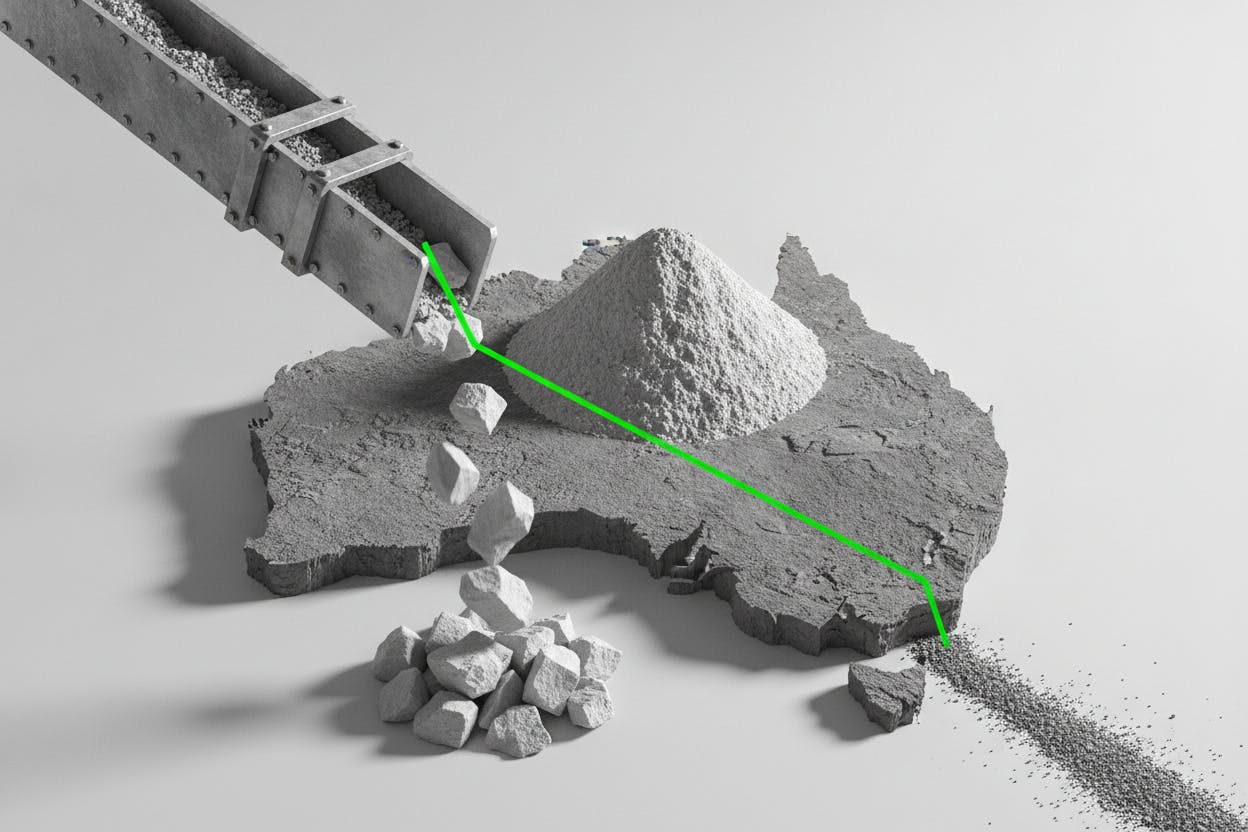
Wesfarmers, the Australian conglomerate, and its Chilean joint venture partner SQM have given the green light to a major expansion at the Mt Holland lithium mine in Western Australia. The project, which carries a price tag of AU$645-715 million for Wesfarmers' share, is designed to double the mine's output of spodumene concentrate—a key ingredient in lithium-ion batteries—while also reducing production costs.
What the Expansion Entails
According to an Australian Securities Exchange filing, the upgrade will increase Mt Holland's nameplate capacity to 760,000 tonnes of spodumene concentrate per year, up from the current 380,000 tonnes. To achieve this, the joint venture plans to build a second processing plant and install an ore-sorting system that can separate higher-grade material before it enters the mill, cutting energy and processing costs.
First expanded volumes are expected in the first half of calendar 2030, meaning the project will take several years to reach full production. The timeline reflects the complexity of building new infrastructure in a remote location and the long lead times typical of major mining expansions.
Why This Matters for Lithium Markets
Lithium prices have been under pressure recently, with China lithium futures plunging to a five-month low amid concerns about oversupply in 2027. The Mt Holland expansion comes at a time when many lithium producers are scaling back or delaying projects due to weak prices. However, Wesfarmers and SQM are betting that long-term demand for lithium—driven by the global shift to electric vehicles and energy storage—will justify the investment.
Spodumene concentrate is a lithium-rich rock that is processed into lithium hydroxide or lithium carbonate, chemicals used in EV batteries. By doubling output and cutting costs, the joint venture aims to position Mt Holland as a low-cost producer that can remain profitable even if lithium prices stay low.
What It Means for Investors
For Wesfarmers shareholders, the expansion represents a significant capital commitment to a commodity that has seen volatile prices in recent years. The company is a diversified conglomerate with interests in retail (Bunnings, Kmart), chemicals, and mining. The Mt Holland project is part of its strategy to gain exposure to the energy transition, but it also carries risks tied to lithium market dynamics.
Investors should note that the expansion will not contribute to revenue or earnings until 2030 at the earliest. In the meantime, Wesfarmers will need to fund its share of the capital expenditure, which could weigh on cash flows or require debt financing. The company's ability to execute the project on time and on budget will be a key focus.
The broader lithium market remains uncertain. While demand for EVs is growing, the pace of adoption has slowed in some regions, and new supply from Australia, Chile, and Africa is coming online. The oversupply fears that pushed lithium futures lower highlight the challenge for producers: even as they invest in new capacity, they must contend with the risk that prices may not recover quickly.
Context: Wesfarmers and SQM's Partnership
Wesfarmers and SQM formed a 50-50 joint venture to develop Mt Holland, with SQM bringing expertise in lithium processing and Wesfarmers providing local operational knowledge. The mine began production in 2024, and the expansion is a vote of confidence in the project's long-term viability.
SQM is one of the world's largest lithium producers, with operations in Chile's Atacama salt flat. The company has faced its own challenges, including regulatory disputes and price volatility, but remains a major player in the lithium supply chain.
For everyday investors, the key takeaway is that major mining expansions like this one are long-term bets. They require patience and a tolerance for commodity price swings. While the Mt Holland expansion could boost Wesfarmers' earnings in the next decade, it will not change the company's near-term financial picture.
Investors should also consider the broader context of the lithium market. Other mining projects, such as Talon Metals' Tamarack nickel project, are also vying for capital in the battery metals space. The success of these projects depends on the pace of EV adoption and government policies supporting clean energy.
What to Watch Next
Key milestones for investors to monitor include the completion of the feasibility study, the start of construction on the second processing plant, and any updates on lithium prices. Wesfarmers will also report its half-year and full-year results, which will provide details on the project's funding and expected returns.
In the meantime, the Mt Holland expansion underscores the tension between short-term market weakness and long-term demand growth in the lithium sector. For investors, it is a reminder that commodity investments require a multi-year horizon and a willingness to ride out price cycles.