Western Digital's upcoming earnings report could surprise to the upside, according to Bank of America, which argues that strong pricing for hard disk drives (HDDs) will offset weaker-than-expected shipment volumes. The company is scheduled to report fiscal first-quarter results on Oct. 22.
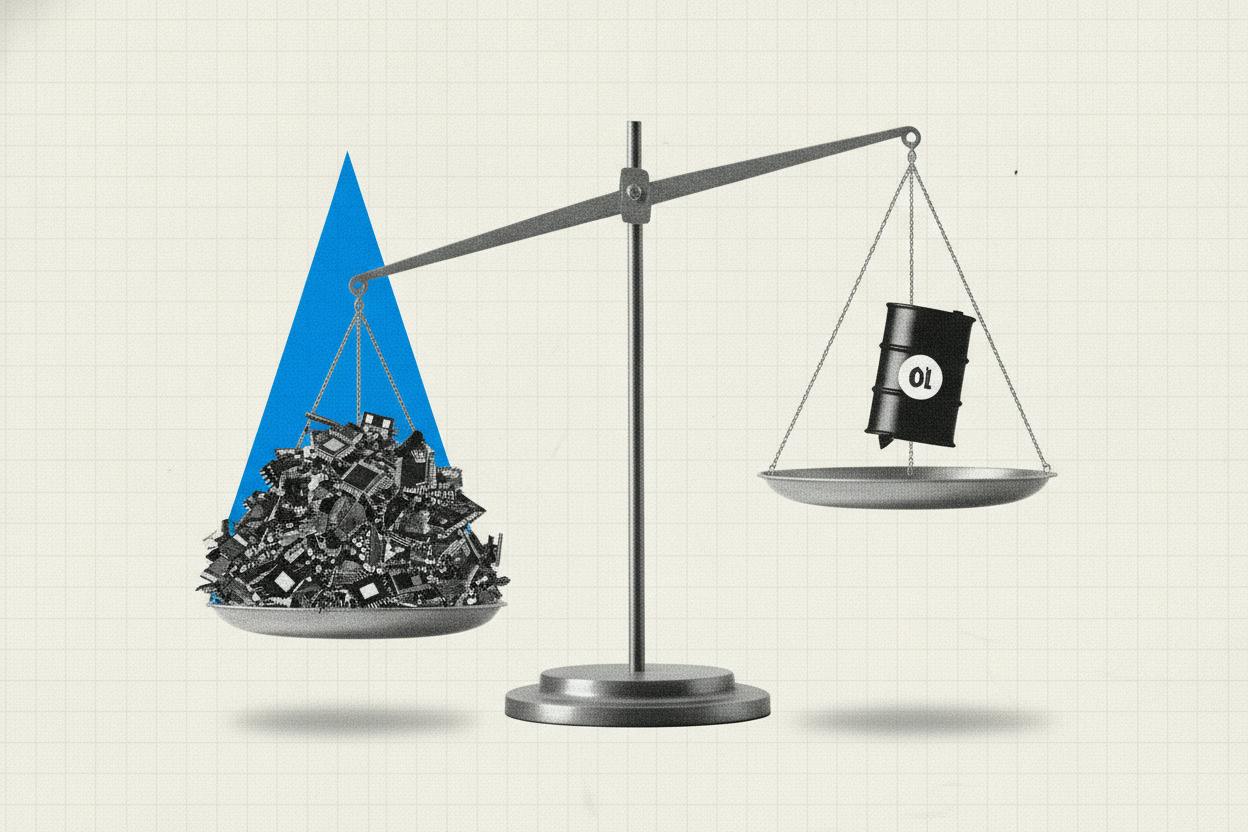
In a research note, BofA analysts said demand for HDDs continues to outstrip available supply, a dynamic that typically supports prices even when unit growth is limited. The bank projects Western Digital to post revenue of $4.22 billion and earnings per share (EPS) of $4.29 for the quarter, both above the broader analyst consensus. That forecast comes even as BofA sees exabyte shipments—a measure of total storage capacity shipped—running below the company's own guidance.
Why HDD pricing matters
Hard disk drives are the traditional spinning-disk storage devices used in data centers, personal computers, and enterprise servers. While solid-state drives (SSDs) have taken over much of the consumer market, HDDs remain essential for mass storage, particularly in cloud data centers and large-scale archival systems. The industry has consolidated over the years, leaving a handful of major players—Western Digital, Seagate, and Toshiba—to dominate supply.
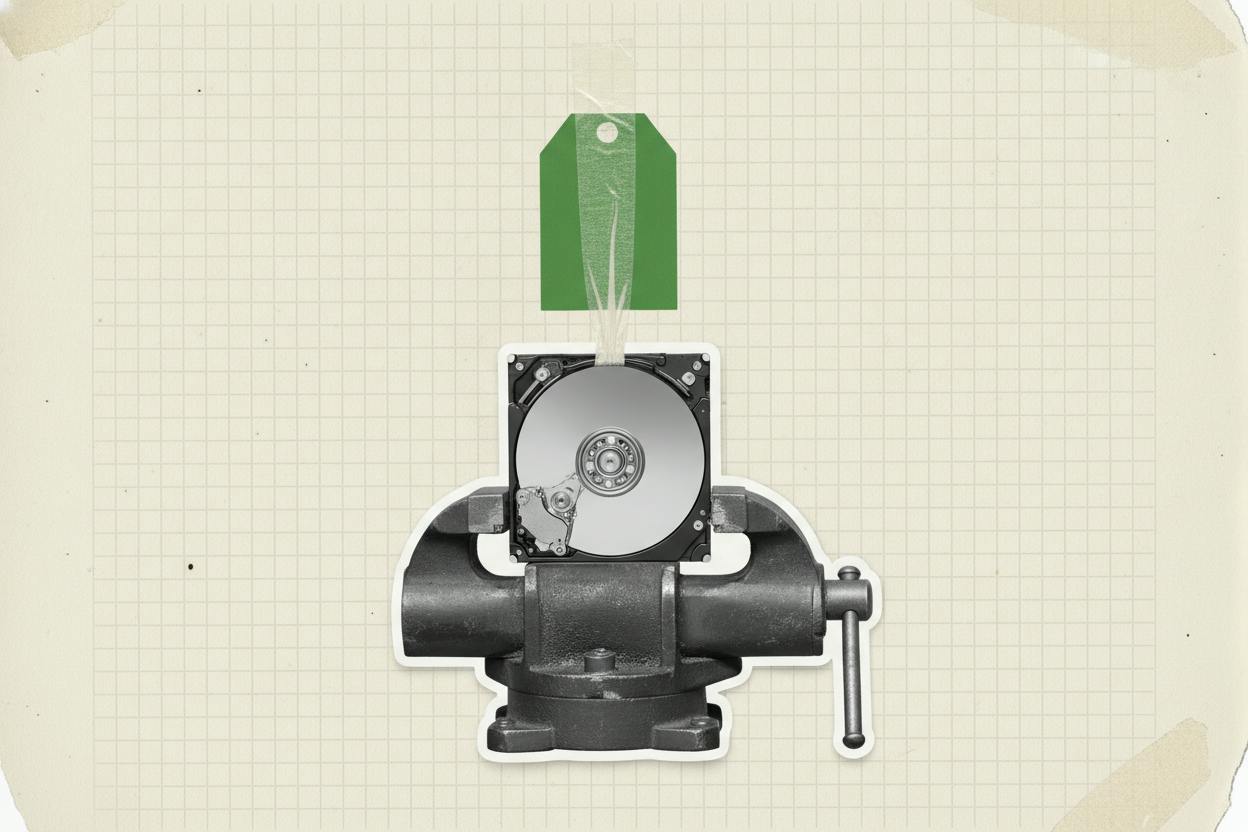
When demand for HDDs exceeds supply, manufacturers can raise prices, which directly boosts revenue and profit margins. This is especially important for Western Digital, which has been navigating a cyclical downturn in memory chips and storage devices. The company's fiscal first quarter, which covers the period from July through September, is typically a seasonally strong one as cloud customers ramp up their infrastructure spending.
BofA's optimism is rooted in the belief that the supply-demand imbalance will persist, at least in the near term. The bank notes that even if unit shipments are constrained, the higher average selling prices should more than compensate, leading to better-than-expected financial results.
What the numbers mean
For context, Western Digital's fiscal Q1 revenue of $4.22 billion would represent a significant year-over-year increase, reflecting the recovery in the storage market. The EPS estimate of $4.29 is notably higher than the consensus, suggesting that analysts are becoming more bullish on the company's pricing power.
Investors should note that these are projections, not guarantees. The actual results could differ if demand softens or if supply constraints ease faster than expected. However, the fact that a major bank like BofA is willing to go above consensus is a positive signal for the stock.
The broader backdrop is also supportive. The rise of artificial intelligence and machine learning has fueled demand for data storage, as AI models require vast amounts of data to train and operate. This trend is not unique to Western Digital; other storage and memory companies have also benefited from the AI boom. For instance, Super Micro's strong forecast signals steady AI data center demand, which bodes well for the entire storage supply chain.
What it means for investors
For everyday investors, the key takeaway is that Western Digital's earnings could be a positive catalyst for the stock. If the company beats expectations, it could lead to upward revisions in analyst estimates and a higher share price. Conversely, if the results fall short, the stock could suffer.
It's also worth noting that Western Digital's performance is often seen as a bellwether for the storage industry. A strong report could lift sentiment across the sector, benefiting peers like Seagate and even memory chip makers. On the other hand, a weak report could raise concerns about the sustainability of the current pricing environment.
Investors should also consider the broader market context. The storage industry has been volatile, with swings in demand and pricing. While the current outlook is positive, it's important to remember that these cycles can turn quickly. As always, diversification is key—don't put all your eggs in one basket.
BofA's note is just one analyst's view, but it aligns with the general trend of improving fundamentals in the storage market. The company's ability to maintain pricing power will be a crucial factor to watch in the coming quarters.
For those interested in related trends, Ameren's data center demand could add billions to its capital plan, highlighting the growing need for infrastructure to support data-hungry technologies. Similarly, Netflix's ad revenue forecast cut shows that not all tech sectors are booming, but storage remains a bright spot.
In summary, Western Digital's upcoming earnings report is one to watch. Strong HDD pricing could provide a nice boost to the company's financials, and the results will likely have ripple effects across the storage industry. Keep an eye on Oct. 22 for the official numbers.