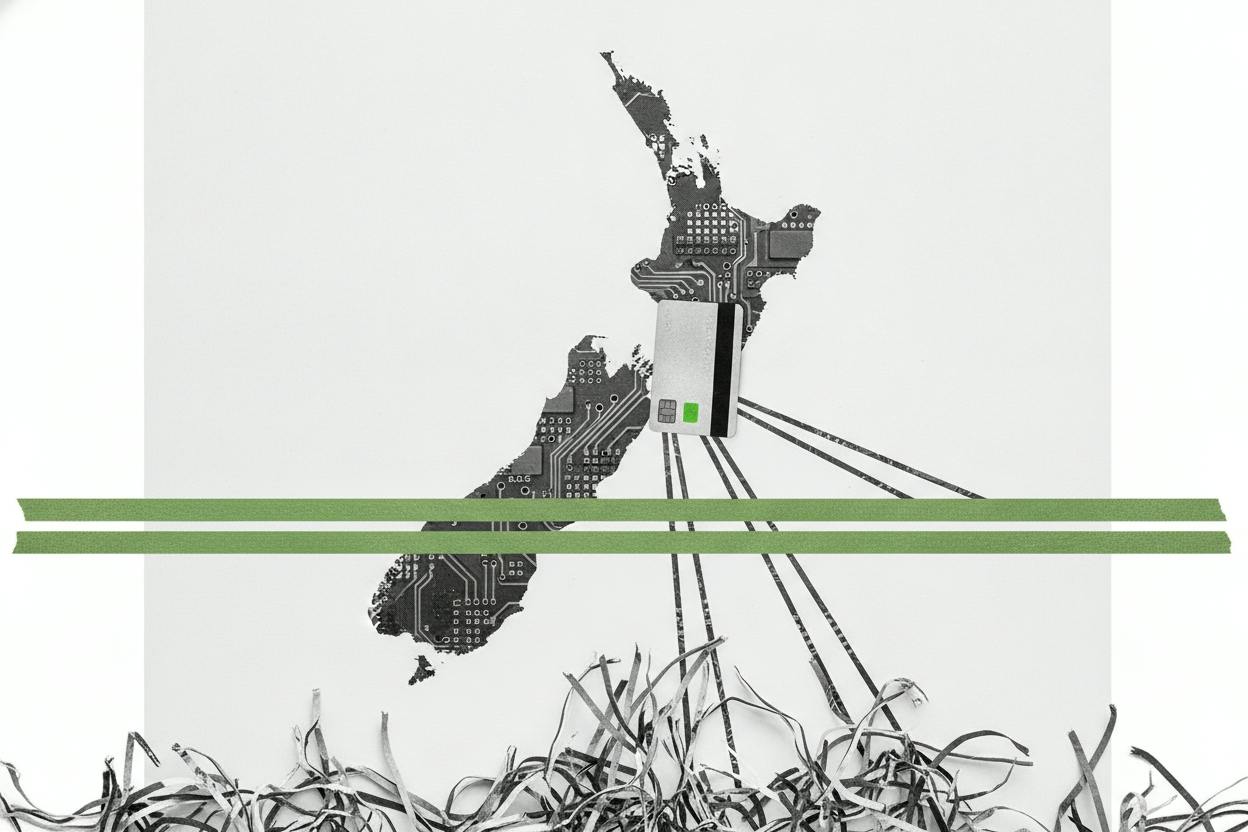
Westpac, one of New Zealand's largest banks, has thrown its weight behind a proposal to create a domestically governed card network as part of the Reserve Bank of New Zealand's (RBNZ) wider review of the country's retail payments system. In its formal submission to the consultation, the bank argued that payments should be treated like critical national infrastructure, with clear oversight, robust backup options, and coordinated action across government and industry.
The submission comes as the RBNZ examines how New Zealanders pay for goods and services, from everyday card transactions to emerging digital methods. The central bank's review is aimed at making the payments system more competitive, efficient, and resilient, and it has invited feedback from banks, retailers, and other stakeholders.
Why a local card network?
Westpac's headline recommendation is that New Zealand should develop a credible, locally governed alternative to the global card schemes that dominate the market today. The bank argues that relying heavily on international networks leaves the country exposed to decisions made overseas, whether on fees, rules, or technology upgrades. A homegrown network, it says, would give New Zealand more control over how payments work and ensure the system serves local needs.
The bank also flagged concerns about EFTPOS, the debit card system that has been a staple of New Zealand retail for decades. While EFTPOS is widely used and often cheaper for merchants than international cards, Westpac suggested that its future is uncertain. The system may struggle to keep pace with changing technology and consumer expectations, and without investment or modernisation, it could become less relevant over time. That raises questions about how New Zealanders will pay in the future and whether the country's payments infrastructure can adapt.
Westpac also pointed to a fragmented regulatory landscape. Multiple laws and overlapping regulators currently govern different parts of the payments system, which can blur accountability and make it harder to address problems. The bank called for a clearer, more coordinated framework that treats payments as a whole rather than as a patchwork of separate rules.
What this means for the payments landscape
New Zealand's payments market is relatively small, but it is heavily reliant on a handful of global card networks, including Visa and Mastercard. These networks set interchange fees and rules that affect both merchants and consumers. A domestically governed alternative could, in theory, give New Zealand more leverage in negotiations and reduce costs, but building such a network from scratch would be a major undertaking. It would require significant investment, technical expertise, and industry-wide cooperation.
The RBNZ's review is part of a broader global trend. Regulators in several countries, including Australia and parts of Europe, have been looking at ways to increase competition in payments and reduce the dominance of the major card schemes. New Zealand's approach could offer a test case for how smaller economies manage their payments infrastructure.
For everyday investors, the immediate impact is likely to be limited. Westpac's submission is just one voice in a consultation process, and any changes to the payments system would take years to implement. However, the outcome could affect the banking sector and the broader economy. If a local network were to emerge, it might change the revenue streams of banks and payment processors, and it could influence how much merchants pay to accept cards, which in turn can affect consumer prices.
What to watch next
The RBNZ is expected to review all submissions and publish its findings in the coming months. Investors should watch for signals about the direction of the payments overhaul, including whether the central bank embraces the idea of a local network or opts for less sweeping changes. Also worth monitoring is how other major banks respond, as their positions will shape the industry's collective stance.
Westpac's push comes at a time when New Zealand's economy is facing headwinds, with the jobless rate recently hitting its highest level since 2015. A more efficient payments system could help support economic activity, but it is unlikely to be a near-term driver of growth.
For investors, the key takeaway is that the payments landscape is evolving, and regulatory decisions can have long-term implications for banks and fintech companies. While no immediate action is needed, staying informed about the RBNZ's review could help you understand potential shifts in the financial sector. As always, it's important to consider how such changes fit into your broader investment strategy, rather than reacting to every headline.