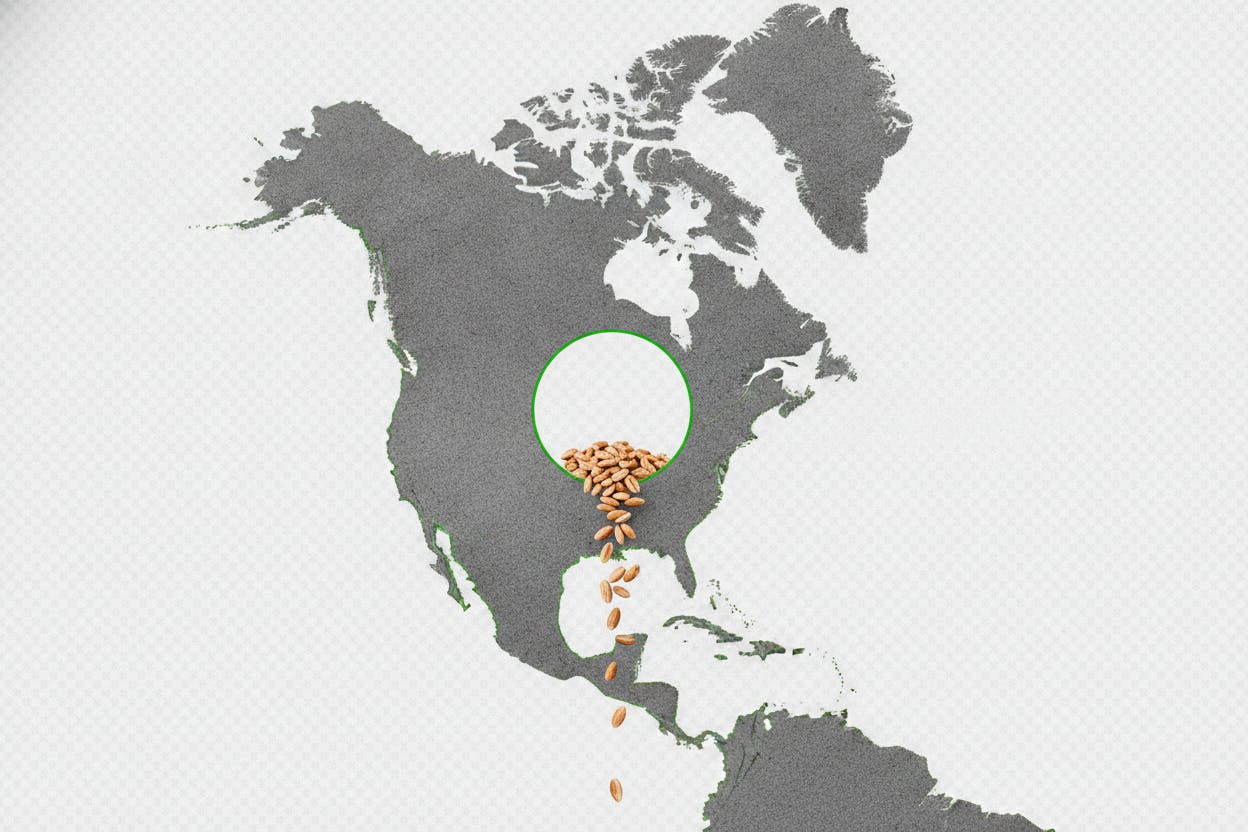
Grain futures edged higher in Chicago trading on Friday, with corn, soybeans, and wheat all posting modest gains ahead of a long US holiday weekend. The move came after new data from the US Department of Agriculture (USDA) and Statistics Canada showed that farmers planted less wheat than traders had anticipated, setting the stage for potentially tighter supplies in 2026.
What the Data Showed
The USDA estimated 2026 US wheat plantings at 42.7 million acres, a figure that fell short of market expectations. Meanwhile, Statistics Canada reported Canadian wheat area at 25.3 million acres, down 5.9% from 2025. Both numbers were below what traders had been forecasting, according to Reuters.
Planted acres are a critical early input for the coming season's supply outlook. Once the land is seeded, the only way to increase output is through higher yields per acre—something that depends heavily on weather, pests, and crop management. A smaller planted base means that any adverse event, such as a drought, heatwave, or disease outbreak, can have a proportionally larger impact on total production and ending inventories.
Why the Market Reacted
While the price moves were modest, the acreage numbers carried more weight than usual because of the timing. With a US holiday weekend approaching, trading volumes tend to thin out, and positions can become more volatile. When markets have less time to adjust to new information, traders often pay closer attention to upcoming crop-condition updates and export demand signals.
The lower acreage effectively lowers the ceiling for 2026 North American wheat production before anyone knows what yields will look like. That shifts a larger share of pricing power onto weather and crop reports through the heart of the growing season. In practice, this can make CBOT wheat futures more sensitive to headlines and more prone to sharp swings around new yield clues, because the market's "weather-risk premium" has more work to do when there are fewer acres to buffer a bad surprise.
What It Means for Investors
For everyday investors, the key takeaway is that the supply outlook for wheat has become a bit tighter at the starting line. Even if prices barely moved on the day, the lower planted area sets a tighter baseline for 2026. That means any future news about crop conditions—whether from the USDA's weekly crop progress reports or from weather forecasts—could have a bigger impact on prices than it would in a year with more acres planted.
Investors who track agricultural commodities should also keep an eye on export demand. With a smaller supply base, strong demand from overseas buyers could quickly tighten inventories further, pushing prices higher. Conversely, if demand softens, the lower acreage might not be enough to support prices.
For those with exposure to agricultural ETFs or futures, the coming weeks will be important. The USDA's next crop condition report, due after the holiday, will be closely watched for early signs of how the 2026 crop is developing. Any signs of stress—such as below-average rainfall or extreme temperatures—could amplify price moves.
Broader Context
The grain market has been navigating a mix of factors in recent months. While this week's acreage data was the main focus, traders are also monitoring broader economic signals, such as labor market data and central bank policy, which can influence demand for commodities. For example, a softer jobs report can raise concerns about economic growth and reduce demand for raw materials, while a stronger economy can boost consumption.
Additionally, the USDA's data on corn and soybeans, which were also part of the report, showed mixed signals. Corn futures have been supported by tighter US supplies and a smaller 2026 crop, as reported in a separate USDA release. Soybeans, meanwhile, have been influenced by weather patterns in South America and trade tensions.
For wheat specifically, the lower acreage in both the US and Canada is a reminder that supply-side risks remain elevated. With global wheat stocks already under pressure from geopolitical tensions and weather disruptions in other producing regions, the North American data adds another layer of uncertainty.
Looking Ahead
As the market reopens after the holiday, attention will turn to the USDA's weekly crop progress report, which will provide the first official look at crop conditions for the 2026 season. Traders will also watch export sales data and any updates on weather patterns in the key growing regions of the US Plains and the Canadian Prairies.
For investors, the message is clear: the lower acreage has raised the stakes for the growing season. While it's too early to predict the final outcome, the market is now more sensitive to every piece of news that could affect yields. That could mean more volatility ahead for wheat futures and related investments.