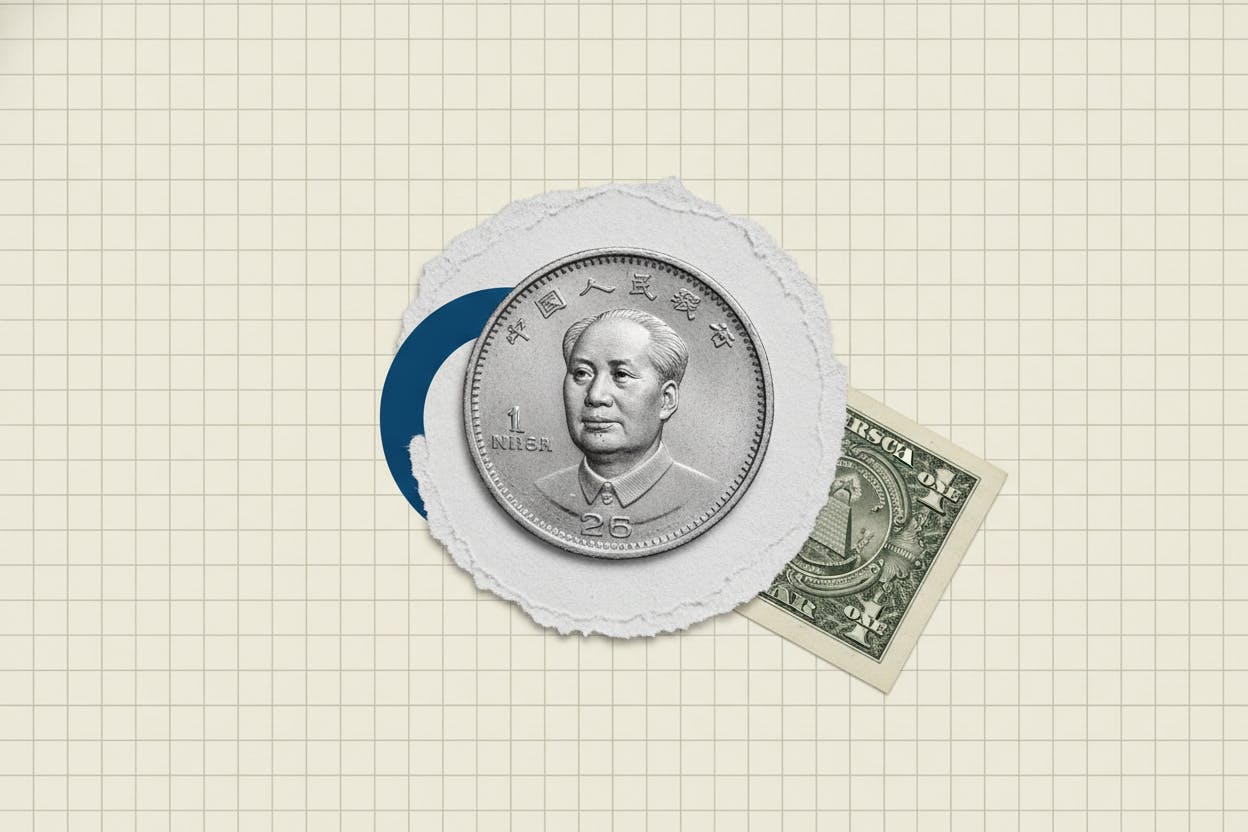
The Chinese yuan is hovering near its strongest level against the U.S. dollar in about three and a half years, a move driven largely by a softer dollar but carefully managed by China's central bank. On the latest trading day, the People's Bank of China (PBOC) set its daily midpoint—the reference rate around which the yuan is allowed to trade—at its strongest since February 8, 2023. That signals the authorities are comfortable with the currency's appreciation, but are still keeping a firm hand on the tiller.
For everyday investors, the yuan's strength is more than a currency-market curiosity. It affects the returns on Chinese assets, the competitiveness of Chinese exports, and the purchasing power of anyone holding yuan or investing in China-focused funds. A stronger yuan can boost the local-currency value of foreign investments, but it can also weigh on exporters' profits.
Why is the yuan rising?
The primary driver is the dollar's recent weakness. With traders scaling back expectations for further Federal Reserve rate hikes—and even pricing in possible cuts next year—the greenback has lost some of its appeal. That has lifted many currencies against the dollar, including the yuan. As we've seen with other currencies, a softer dollar tends to ease pressure on emerging-market assets and can support capital flows into countries like China.
But the yuan's rise isn't just a passive reflection of dollar moves. The PBOC's daily fixing is a powerful tool. By setting the midpoint at its strongest level in over a year, the central bank is effectively signaling that it's not trying to hold the yuan down. That's a notable stance, especially given that a stronger currency can hurt Chinese exporters by making their goods pricier abroad.
Still, the PBOC is likely to keep guiding the yuan gradually rather than letting it spike. A sharp appreciation could destabilize markets and squeeze exporters, so the central bank tends to smooth the path. Investors should watch the daily fixings for clues about how much further Beijing is willing to let the currency go.
What to watch: July activity data
Traders are now turning their attention to China's July activity data, due for release soon. These figures—covering industrial production, retail sales, and fixed-asset investment—will offer a read on the health of the world's second-largest economy. If the data show resilience, that could give the yuan additional support. If they disappoint, it might raise questions about whether the currency's strength is justified.
Recent data have been mixed. While some sectors, like chip stocks, have rallied, consumer spending has lagged. Money supply has grown even as credit cools, and there are signs that the property sector remains under pressure. The July numbers will help clarify whether the economy is stabilizing or losing momentum.
For investors, the data could also influence the broader Chinese equity market. A stronger yuan often attracts foreign capital, which can lift Chinese stocks. But if growth disappoints, that effect could be muted. As we've seen with recent stock moves, the market is sensitive to both currency and growth signals.
What it means for investors
For everyday investors, the yuan's strength has several implications. If you hold U.S. dollar assets, a stronger yuan means your dollar buys fewer yuan, which could reduce the local-currency value of any Chinese investments. Conversely, if you're investing in Chinese stocks or funds, a stronger yuan can boost your returns when converted back to dollars.
For those with exposure to Chinese exporters, the currency's rise is a headwind. Companies that sell goods abroad may see their profit margins squeezed as their products become more expensive in foreign markets. On the other hand, Chinese importers and companies with foreign debt could benefit.
The PBOC's management of the yuan is also a signal of its broader policy stance. A stronger currency can help combat imported inflation and make it cheaper for Chinese consumers to buy foreign goods. But it also complicates the central bank's efforts to support growth through exports.
Looking ahead, the key question is whether the yuan's strength will persist. That depends largely on the Federal Reserve's next moves. If U.S. rate cuts become more likely, the dollar could weaken further, pushing the yuan even higher. But if the Fed surprises with a hike, the yuan could quickly give back its gains. As we've seen with other currencies like the yen, the dollar's direction is the dominant force.
For now, the yuan's rise is a story of dollar weakness and PBOC guidance. Investors should keep an eye on the daily fixings and the upcoming activity data to gauge where the currency—and the Chinese economy—are headed next.