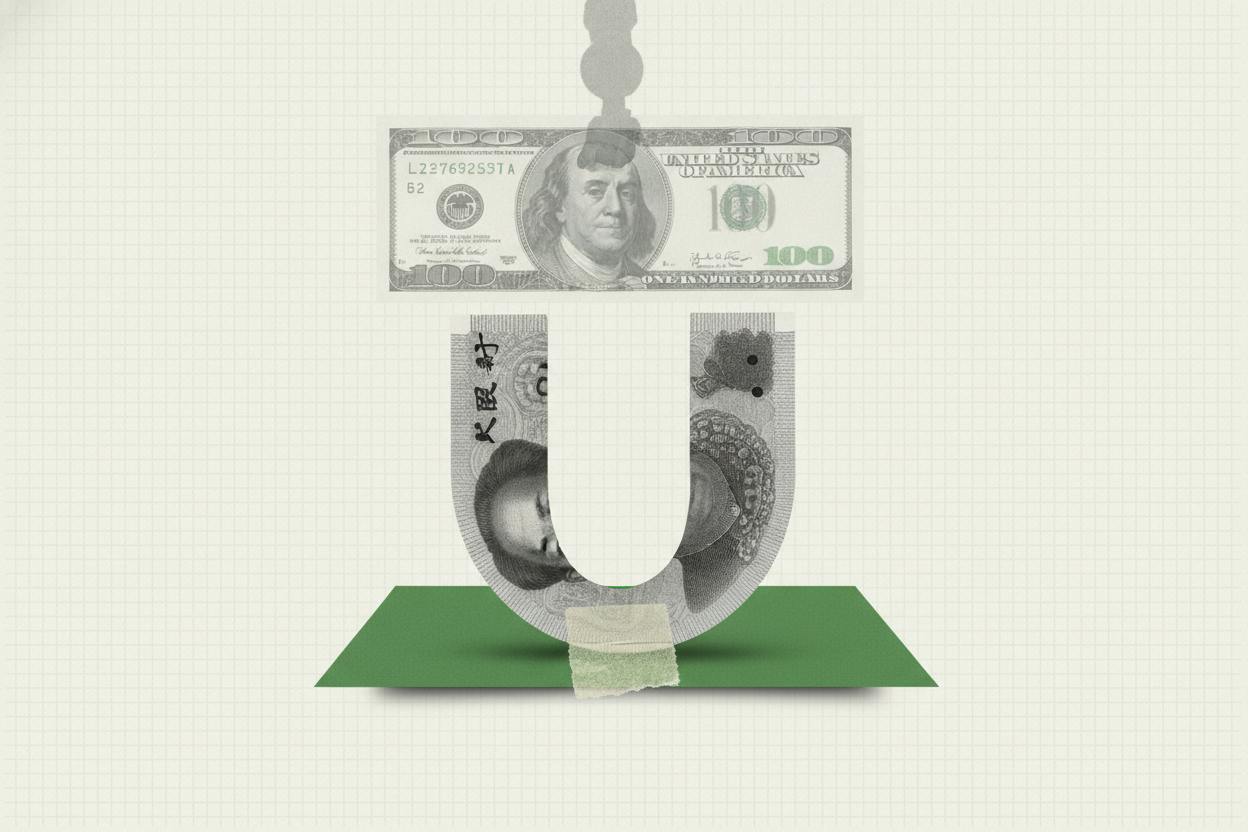
China's yuan clawed back some ground this week after sliding to its weakest level since mid-October, as a seasonal wave of corporate currency conversions provided a temporary floor under the exchange rate. The onshore yuan slipped to 6.6950 per US dollar before rebounding to around 6.6715, while the offshore version traded near 6.6746, according to Reuters.
The bounce is largely a calendar effect. Exporters and other Chinese companies often convert foreign-currency receipts into yuan in December and January, ahead of Lunar New Year expenses such as payroll and bonuses. That creates a short-lived but reliable bid for the currency, giving it a seasonal cushion even when broader forces are pushing it lower.
Why the yuan has been under pressure
The rebound comes against a backdrop of persistent strength in the US dollar. With the Federal Reserve signalling that interest rates may stay higher for longer, US assets have remained attractive to global investors, drawing capital away from emerging markets. That dynamic has weighed on currencies across the developing world, and the yuan is no exception.
China's own economic picture has added to the drag. Growth has been uneven, and the property sector—a major driver of domestic demand—has yet to stage a convincing recovery. While Beijing has rolled out a series of support measures, including holding key lending rates steady as it shifts its policy focus, the overall momentum remains tepid.
For everyday investors, the yuan's moves matter in a few ways. A weaker yuan makes Chinese exports cheaper for foreign buyers, which can support companies that sell overseas. But it also makes imports more expensive, potentially feeding into inflation. For those holding yuan-denominated assets or planning to send money to China, the exchange rate directly affects the value of their money.
What the seasonal floor means
The current rebound is unlikely to signal a lasting turnaround. Seasonal repatriation tends to fade after the Lunar New Year, and the structural pressures on the yuan—US rate differentials, China's economic slowdown, and geopolitical tensions—remain firmly in place. Analysts often describe such moves as a "seasonal floor" rather than a trend reversal.
That said, the fact that the yuan found support even with the dollar strong suggests that the corporate demand is real and substantial. Companies that have been holding dollars may have been waiting for a better rate, and the year-end cash needs forced their hand.
For investors, the key takeaway is to distinguish between temporary flows and lasting trends. A currency that bounces on seasonal demand can still resume its slide once that demand fades. The broader story—US monetary policy and China's growth trajectory—will likely dictate the yuan's path in the months ahead.
What to watch next
Investors will be watching the Federal Reserve's next policy moves, as any shift in rate expectations could quickly change the dollar's trajectory. They'll also be monitoring China's economic data, particularly around retail sales, industrial output, and the property market, for signs that the recovery is gaining traction.
In the meantime, the yuan's seasonal bounce offers a reminder that even in a strong-dollar world, currency markets are not one-way streets. Short-term flows can create opportunities, but for most investors, the long-term trend is what matters.