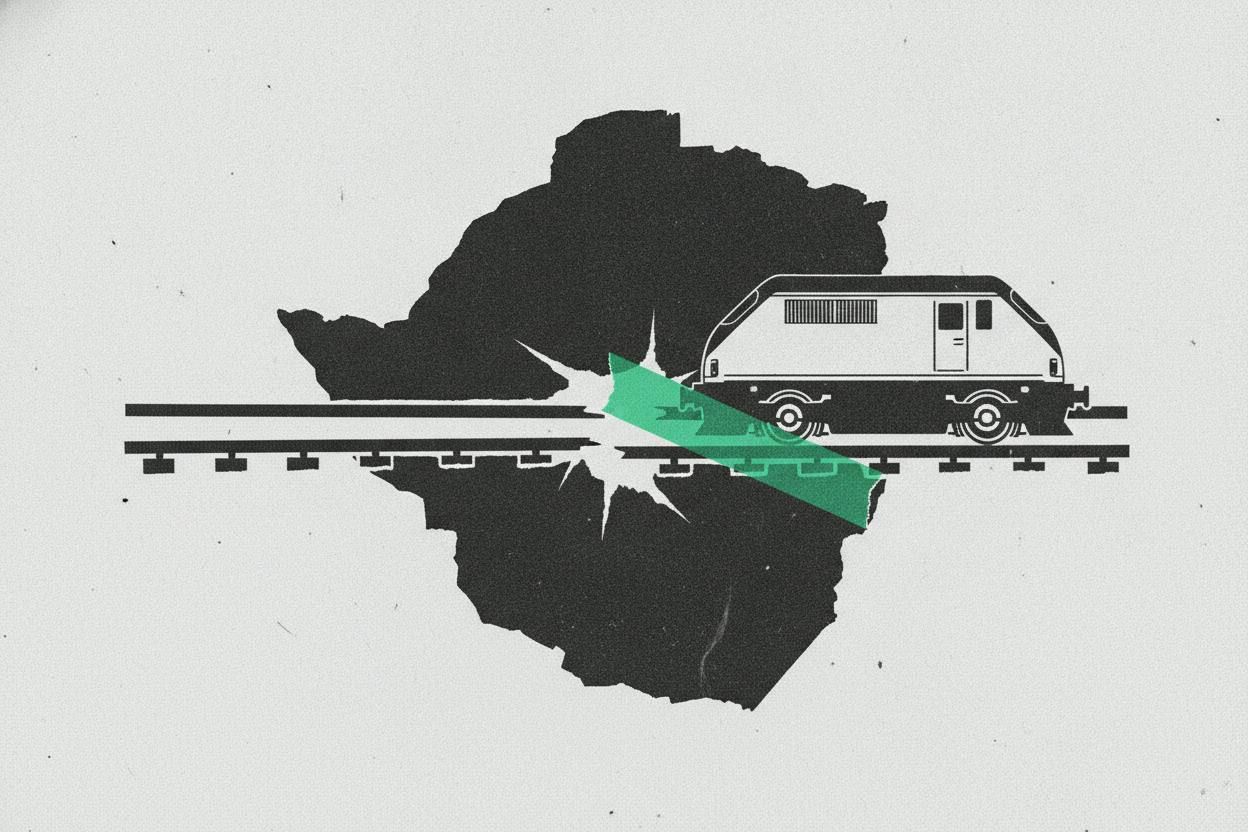
Zimbabwe's state-owned railway operator, the National Railways of Zimbabwe (NRZ), is in talks with the African Export-Import Bank (Afreximbank) for a $115 million loan to purchase 10 locomotives and 315 wagons. The investment is aimed at reversing a decline in freight volumes, which fell to just 2 million tons in 2025.
The railway, now overseen by Mutapa Investments—Zimbabwe's sovereign wealth fund—hopes the funding will also help repair key stretches of track. John Mangudya, CEO of Mutapa Investments, confirmed the negotiations on Thursday, saying the goal is to make the railway more reliable and competitive.
Why the railway needs a reboot
NRZ has struggled for years with aging equipment and underinvestment. Freight volumes have dropped sharply as trucking has become the preferred mode of transport for many shippers. A railway that can't guarantee timely deliveries loses business to road hauliers, and NRZ's current fleet is too small and too old to offer the reliability that customers demand.
The proposed purchase of 10 locomotives and 315 wagons would significantly expand NRZ's capacity. Locomotives are the engines that pull trains, and wagons are the carriages that carry freight. With more rolling stock, NRZ could handle more cargo and offer more frequent services.
But buying new trains is only part of the solution. The railway's infrastructure—the tracks themselves—also needs attention. Years of deferred maintenance have left some lines in poor condition, limiting speeds and increasing the risk of derailments. The loan would allow NRZ to address these issues, making the network safer and more efficient.
The role of Mutapa Investments
Mutapa Investments, Zimbabwe's sovereign wealth fund, took over NRZ as part of a broader government effort to restructure state-owned enterprises. Sovereign wealth funds are investment vehicles owned by governments, typically used to manage national savings or invest in strategic assets. By bringing NRZ under its umbrella, the government hopes to bring more professional management and financial discipline to the railway.
John Mangudya, a former central bank governor, leads Mutapa Investments. His comments on Thursday suggest that the fund sees the railway as a key part of Zimbabwe's economic infrastructure. A functioning railway can move bulk commodities like minerals, grain, and fuel more cheaply than trucks, which could help lower costs for businesses and consumers.
What this means for investors
For everyday investors, this story is less about buying shares in NRZ—which is state-owned and not listed on any stock exchange—and more about the broader economic signals it sends. A reliable railway could boost Zimbabwe's mining and agricultural exports, which are important sources of foreign currency. That, in turn, could support the country's economic stability and its currency.
Investors with exposure to Zimbabwean assets, whether through frontier market funds or companies that trade with the country, may see this as a positive development. Improved infrastructure often leads to higher productivity and lower transport costs, which can benefit a wide range of businesses.
However, there are risks. The loan is still in the negotiation stage, and there's no guarantee it will be finalized. Even if it is, implementing the upgrades will take time. NRZ has a long history of financial troubles, and turning it around won't happen overnight.
Looking ahead
The talks with Afreximbank are a sign that Zimbabwe is serious about reviving its railway. Afreximbank, a pan-African multilateral lender, has financed infrastructure projects across the continent, and its involvement could lend credibility to the plan.
Investors will be watching to see whether the loan is approved and how quickly NRZ can put the new equipment to use. They'll also be looking for signs that freight volumes are recovering, which would indicate that the railway is winning back customers.
For now, the news is a modest positive for Zimbabwe's economic outlook. A functioning railway could help the country unlock its export potential and reduce its reliance on road transport, which is often more expensive and less environmentally friendly. But the real test will be in execution—whether NRZ can turn this investment into a reliable, profitable operation.