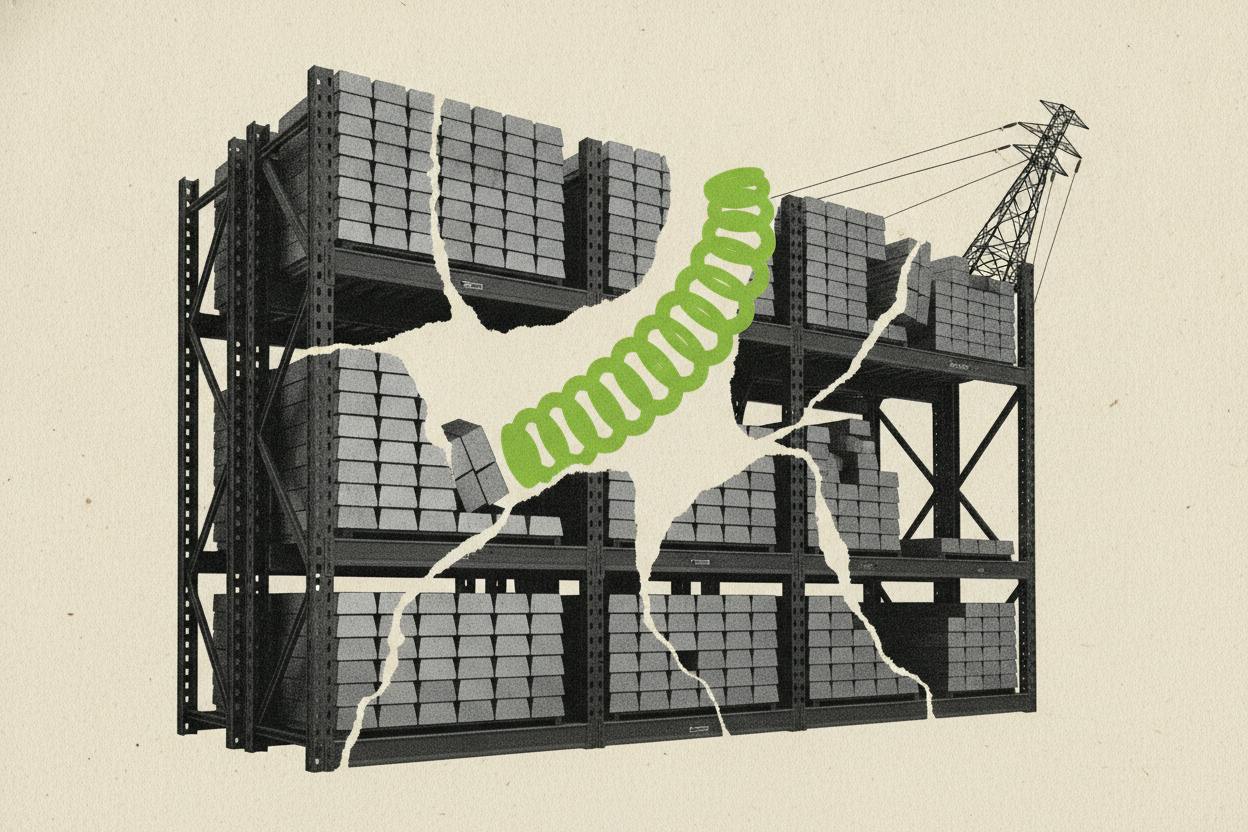
Zinc prices climbed to a two-week high on the London Metal Exchange (LME) as traders focused on shrinking stockpiles and signs that near-term supply is getting tighter. The move reflects a combination of falling inventories, higher electricity costs for smelters, and an unusually wide gap between the price of metal available now versus later.
The benchmark three-month zinc contract rose as investors watched inventories on both the LME and the Shanghai Futures Exchange slide. At the same time, the International Lead and Zinc Study Group, an industry body, reported that the refined zinc market swung to a small deficit in August after a surplus in July. That shift suggests demand is now outpacing supply, at least for the moment.
Why supply is tightening
One of the key pressures is the cost of power. Smelting zinc is energy-intensive, and higher electricity prices raise the cost of producing refined metal. When smelters face higher input costs, they may cut output or pass those costs along, which can reduce the amount of metal available to buyers.
The clearest signal of near-term tightness, though, is in the pricing curve. LME cash zinc traded about $80 a metric ton above the three-month contract. That means buyers are paying a premium for metal delivered immediately rather than waiting for a future delivery. In market jargon, this is called backwardation — the opposite of the more common contango, where future prices are higher than spot prices.
Backwardation can make the market jumpy. Traders who are short nearby zinc — meaning they have sold metal they don't yet own — must buy back the expensive cash contract and sell the cheaper three-month contract to roll their positions forward. That costs money and can force them to act quickly, amplifying price swings.
Adding to the stress, exchange data showed that one entity controls roughly 30% to 40% of LME zinc warrants (warehouse receipts) and cash positions. When a single player holds a large share of available metal, it can make nearby supply feel even scarcer, because other traders worry they won't be able to find deliverable metal when they need it.
What it means for investors
For everyday investors, the immediate takeaway is that zinc's front end — the nearest contracts and spot deals — can become more volatile when physical availability tightens. That's where real-world buyers, such as galvanized-steel supply chains that use zinc for corrosion protection, feel higher and more unpredictable pricing first.
But the longer-term picture is more balanced. Banks such as Citi describe the outlook as neutral to modestly bullish, partly because mine supply could increase in the coming years. When new mines come online, they can ease the tightness and put downward pressure on prices. So while the current squeeze is real, it may not last.
For investors, the key is to watch inventory levels and the shape of the pricing curve. If stockpiles keep falling and backwardation persists, that suggests the tightness is continuing. If inventories rebuild and the cash premium narrows, the pressure could ease.
Zinc is just one of several industrial metals moving on similar dynamics. Copper, for example, has seen its own supply-demand shifts, with LME stockpiles rising but China demand signals staying strong. And broader market moves, such as oil price dips lifting UK stocks, can influence sentiment across commodities.
For now, the zinc market is sending a clear message: near-term supply is tight, and that is showing up in prices. Whether that tightness persists will depend on smelter output, power costs, and how quickly new mine supply arrives. Investors should keep an eye on those factors, as they will determine whether zinc's recent strength is a short-term blip or the start of a longer trend.