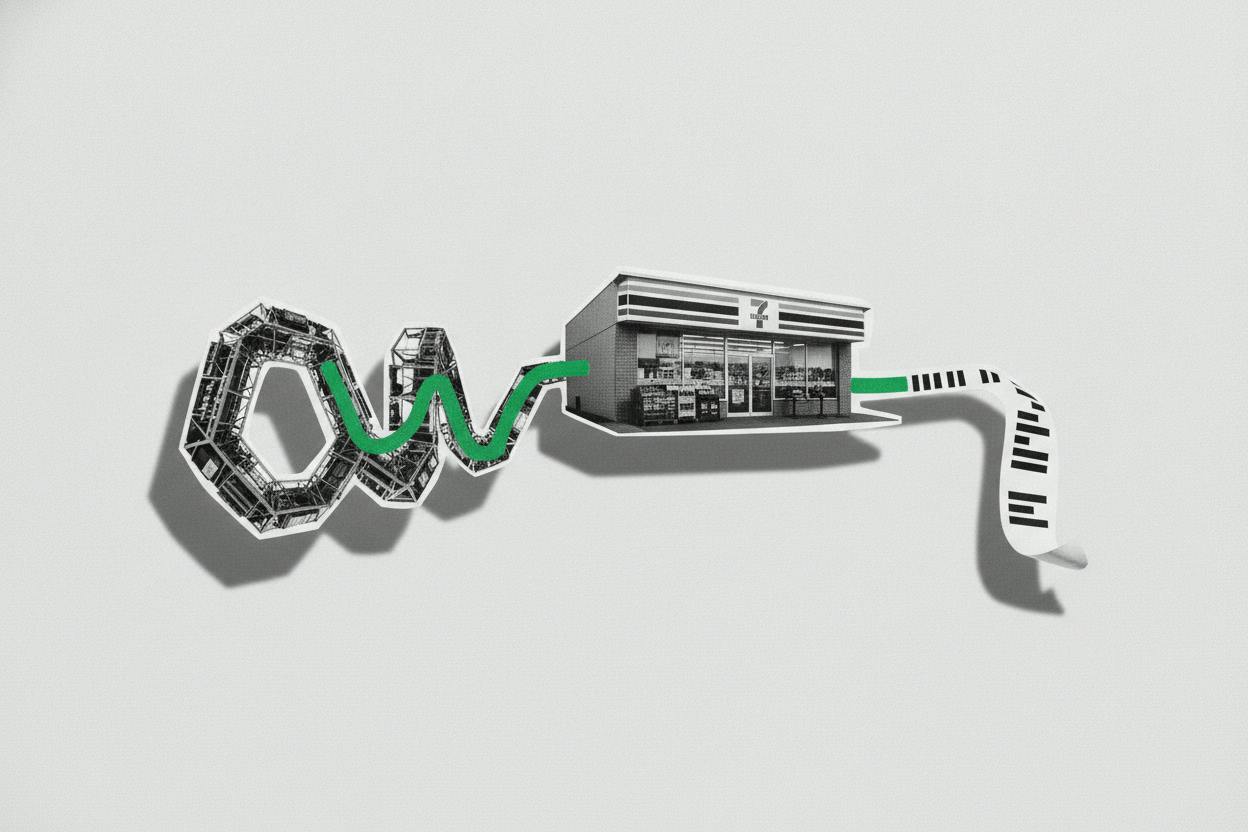
Seven & i Holdings, the Japanese retail giant that operates the 7-Eleven convenience store chain, said its North American business is exploring ways to bring more of its supply chain in-house. The move comes as inflation-weary shoppers cut back on spending, squeezing growth across the company's stores.
The company also signaled that a long-anticipated initial public offering (IPO) of its North American unit will be delayed, with executives saying the timing now depends on friendlier market conditions.
Why the supply chain shift?
Bringing supply chain operations in-house—rather than relying on third-party distributors and logistics providers—can give a retailer more control over costs, inventory, and delivery times. For a convenience store chain like 7-Eleven, which sells everything from snacks to fuel, efficient supply chains are critical to keeping shelves stocked and prices competitive.
But the strategy is not without trade-offs. Building or acquiring warehouses, trucks, and distribution networks requires significant upfront investment. For a company facing sluggish sales, those costs can weigh on short-term profits even if they pay off in the long run.
Seven & i's comments come as Japan's household spending has dropped again, a sign that inflation is hitting consumers in the company's home market as well. In North America, where 7-Eleven generates a large share of its revenue, shoppers are also feeling the pinch of higher prices for food, fuel, and other essentials.
IPO pushed back
The company had previously floated the idea of spinning off its North American convenience store business through an IPO, a move that could unlock value for shareholders and give the unit more independence. But with markets volatile and investor appetite for new listings uncertain, Seven & i is now saying the IPO will wait until conditions improve.
This is a common pattern in the IPO market. Companies often delay listings when stock markets are choppy or when valuations are unattractive. For Seven & i, the decision to hold off suggests management believes waiting will yield a better outcome for the business and its investors.
The delay also gives the company time to work on its supply chain plans, which could make the North American unit more attractive to investors when it does eventually go public.
What it means for investors
For everyday investors, the key takeaway is that Seven & i is navigating a tough environment. Inflation is pressuring consumer spending, and the company is responding by trying to cut costs and improve efficiency. That's a sensible strategy, but it won't happen overnight.
The IPO delay is also worth watching. If and when the North American unit does list, it could be a significant event for the retail sector. But investors shouldn't expect it anytime soon, especially if inflation fears continue to roil markets.
For now, Seven & i's focus on its supply chain is a reminder that even large, established retailers are having to adapt to a world where consumers are more cautious about how they spend. That's a trend that could affect other companies in the sector as well.
Investors should also keep an eye on broader inflation data, as inflation readings around the world remain mixed. If price pressures ease, shoppers might start spending more freely, which could give Seven & i and its peers a boost. If not, the pressure on retailers is likely to continue.
As always, it's important to remember that this is just one company's story. The decisions Seven & i makes about its supply chain and IPO will play out over months and years, and the outcome is far from certain. For investors, the best approach is to stay informed and consider how these developments fit into the broader market picture.