Aegis Critical Energy Defence, an energy storage company, has announced a partnership with McMaster University to develop and commercialize a fast-charge energy storage platform designed for AI data centers. The four-year, C$3.71 million program aims to bring the technology to market within a year, starting with AI data center applications.
What is the technology?
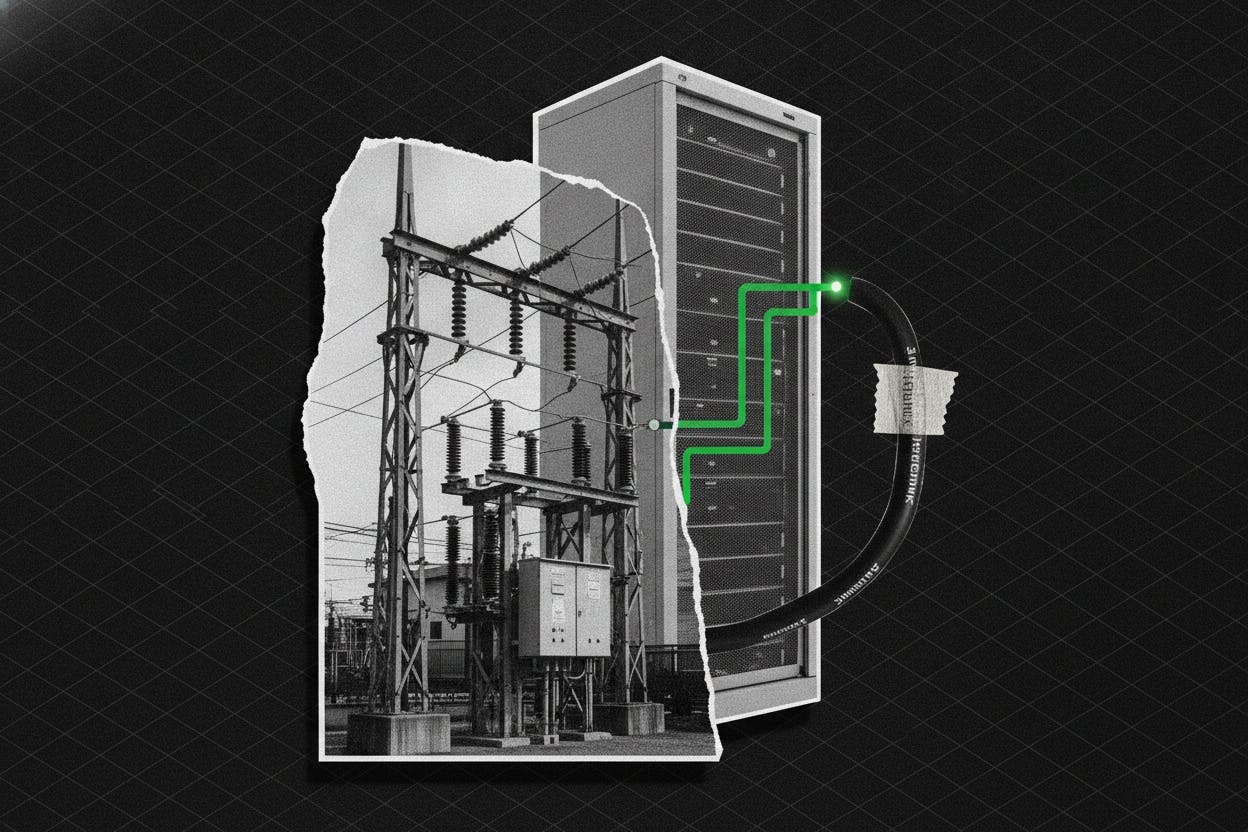
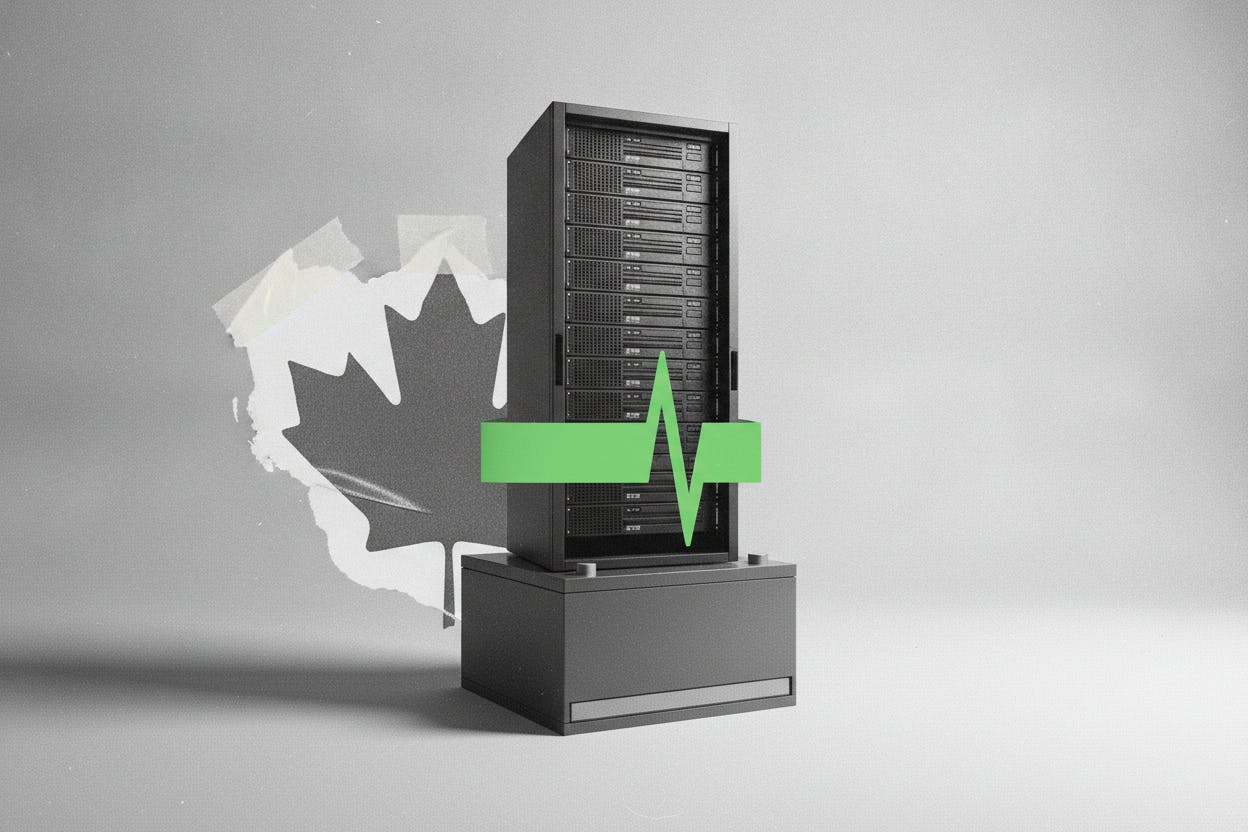
The system, called the High C-Rate Fast-Transient Energy Storage System (HCFT-ESS), is built to handle rapid bursts of power demand. AI data centers require stable electricity even when computing loads spike suddenly—sometimes in seconds. Aegis says its system uses premium European automotive battery cells combined with proprietary battery management, thermal controls, and software to deliver that fast response.
The partners have outlined a phased rollout. The first phase focuses on AI data center commercialization, with a target of one year. Later phases will likely explore other applications, though details on those remain undisclosed.
Why AI data centers need specialized storage
AI workloads are notoriously power-hungry and unpredictable. Training large language models or running inference tasks can cause power demand to jump sharply, straining grid connections and backup systems. Traditional energy storage, such as lithium-ion batteries designed for steady discharge, may not respond quickly enough to these transient spikes.
Fast-charge systems like the HCFT-ESS aim to fill that gap by providing near-instantaneous power when needed, then recharging rapidly. This is similar to how supercapacitors work, but with higher energy density from battery cells. For data center operators, this could mean fewer disruptions and lower costs from peak demand charges.
The broader push for digital infrastructure is driving demand for such solutions. Segro Partners with Pure DC for Paris Data Center, Targets 30% of Rent from Digital Infrastructure by 2035 highlights how major real estate firms are betting on data centers as a growth area. Similarly, energy storage companies are racing to meet the unique needs of AI computing.
What it means for investors
For everyday investors, this partnership signals that the energy storage sector is increasingly tailoring products to the AI boom. While Aegis is a smaller player, its collaboration with a respected research university like McMaster adds credibility. The C$3.71 million budget is modest by industry standards, but the fast-track commercialization timeline suggests confidence in the technology.
Investors should watch for updates on the first phase deployment. If successful, Aegis could secure contracts with data center operators or cloud providers, potentially boosting its revenue and valuation. However, the company faces competition from larger battery makers and established energy storage firms.
Broader trends also support this niche. The energy transition is driving investment in grid-scale storage, as seen in Temasek Pours Another S$5 Billion Into Energy Transition, Flags Emissions Target Miss. Meanwhile, oil and gas markets remain volatile, with Oil Surge on US-Iran Strikes Weighs on FTSE 100, Lifts Energy Stocks showing how geopolitical events can shift energy prices. For investors in clean energy, storage solutions that address specific high-growth sectors like AI could offer targeted opportunities.
Risks and next steps
As with any early-stage technology, there are risks. The HCFT-ESS must prove it can deliver on its promises of fast response and reliability at scale. Battery degradation over time, thermal management challenges, and cost competitiveness are all factors that could affect adoption.
The partnership with McMaster provides academic rigor and access to research facilities, but commercialization will depend on Aegis's ability to manufacture and sell the system. Investors should monitor the company's progress toward the one-year milestone and any subsequent announcements about pilot projects or customer agreements.
For now, the announcement adds to a growing list of initiatives linking energy storage with AI infrastructure. As data center demand continues to rise, solutions that ensure stable power supply will become increasingly valuable.