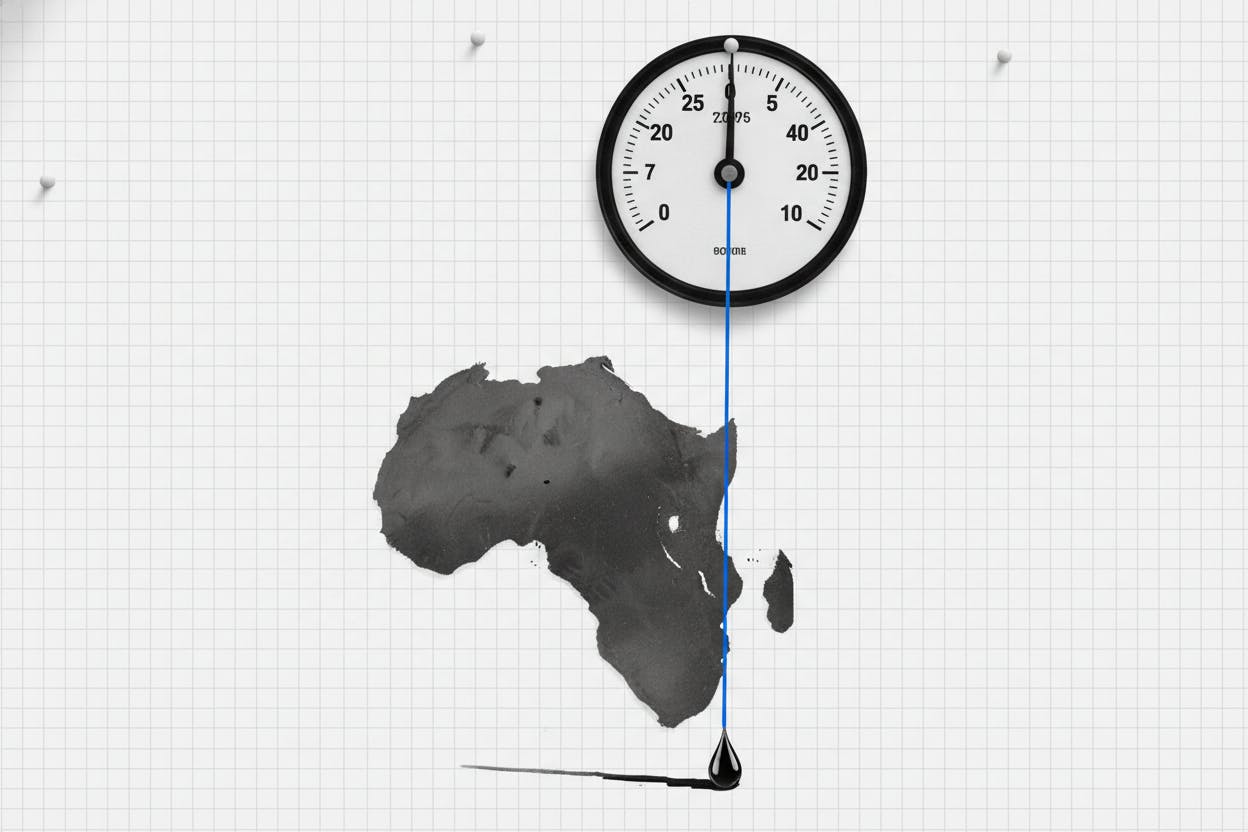
African markets are turning their attention to incoming US economic data and central-bank signals for direction, even as oil prices ease and regional headlines from Ghana to Nigeria reshape the investment backdrop.
Investors are weighing Middle East supply risks against a softer oil market, while local developments add to the mix. Ghana's inflation ticked up to 5.0% year-on-year in August, and ride-hailing giant Uber announced it will stop operating in Nigeria on September 2.
US data and Fed signals drive sentiment
For many African assets, the biggest driver is often what happens outside the continent. Investors are parsing fresh US economic data and comments from Federal Reserve officials for clues on whether the central bank will raise interest rates again this month. That decision influences global borrowing costs and the appetite for riskier assets, including emerging-market stocks and bonds.
Higher US rates tend to pull capital toward safer, higher-yielding dollar assets, which can put pressure on African currencies and make it more expensive for governments and companies to service dollar-denominated debt. Conversely, signs that the Fed might pause or cut rates could provide relief for African markets.
The global stocks have been steady as Middle East tensions and higher yields collide, but the focus now is on the upcoming US jobs data, which could shape the Fed's next move. A strong report might reinforce expectations of another hike, while a weak one could fuel hopes of a pause.
Oil slips despite Middle East risks
Oil prices have eased, even as investors keep an eye on Middle East supply risks. The region's tensions have periodically pushed crude higher, but the latest pullback suggests the market is not pricing in a major disruption at the moment.
For African oil exporters like Nigeria and Angola, lower oil prices can mean reduced government revenues and pressure on their currencies. For importers, such as many other African nations, cheaper oil can help ease inflation and reduce import bills.
The FTSE 100 is set for a flat open as oil slips and gold climbs on US-Iran fears, reflecting the mixed signals in global markets. Meanwhile, the ANZ commodity index slipped 0.4% in August, with beef and butter weighing on the broader commodity complex.
Ghana's inflation ticks up
Ghana's inflation rose to 5.0% year-on-year in August, a slight uptick from previous months. While still relatively low, the increase could influence the Bank of Ghana's monetary policy stance. If inflation continues to climb, the central bank might hold off on cutting interest rates, which could affect bond yields and the cedi.
For investors in Ghanaian assets, the inflation data is a key indicator. Higher inflation can erode the real returns on fixed-income investments, while a hawkish central bank could support the currency.
Uber exits Nigeria
Uber's decision to stop operating in Nigeria on September 2 marks a significant shift in the country's ride-hailing market. The company cited the competitive landscape and the need to focus on other markets. This move could affect local drivers and riders, as well as investors with exposure to Uber's African operations.
Nigeria is one of Africa's largest economies, but its ride-hailing sector has faced challenges, including currency volatility and regulatory hurdles. Uber's exit leaves rivals like Bolt and inDrive to compete for market share.
What it means for investors
For everyday investors, the key takeaway is that African markets are closely tied to global financial conditions. The Fed's rate decision, US jobs data, and oil price movements can all have ripple effects across the continent.
Investors should watch how these factors influence currencies, inflation, and corporate earnings in the region. A dovish Fed could boost risk appetite and support African assets, while a hawkish stance might lead to capital outflows.
Local developments, such as Ghana's inflation and Uber's exit, also matter, but they are often secondary to the global backdrop. As always, diversification and a long-term perspective remain important when investing in emerging markets.
In the coming days, the release of US jobs data and any Fed commentary will likely set the tone for African markets. Until then, investors are likely to remain cautious, balancing the potential for higher yields against the risks of global uncertainty.



