The race to build artificial intelligence data centers is hitting a very offline reality: there may not be enough electricians, builders, or even power to switch them on fast enough. That was the message from two of the tech industry's most prominent figures at a G20 meeting of technology ministers on Tuesday.
Meta CEO Mark Zuckerberg said the AI buildout will require “hundreds of thousands and maybe millions” of skilled trade jobs, and warned that worker shortages could slow construction. Tesla and SpaceX CEO Elon Musk went further, telling ministers a “crisis of power” could create a meaningful electricity shortfall “next year, not distant future.”
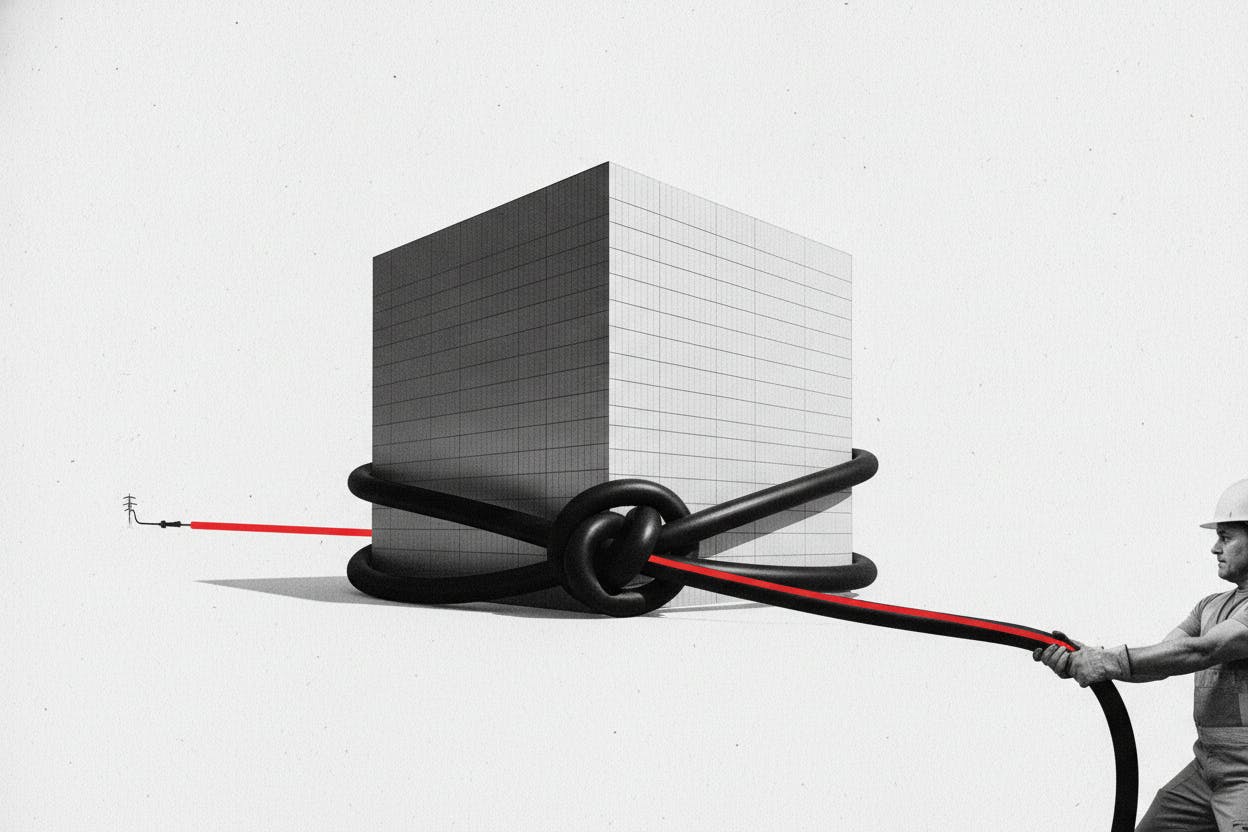
The message is that AI supply is increasingly limited by basics: how quickly buildings can go up and how much electricity is available to run them.
Why this matters
AI data centers are the physical backbone of the AI boom. They house the powerful chips that train and run AI models, and they consume enormous amounts of electricity. As tech giants pour billions into expanding their AI capabilities, they are discovering that the bottlenecks are no longer just about chip supply or software talent.
Instead, the constraints are showing up in construction sites and power grids. Building a data center requires thousands of workers with specialized skills—electricians, plumbers, HVAC technicians, and other tradespeople—and the industry is already competing for a limited pool of labor. At the same time, data centers are among the most energy-hungry facilities ever built, and utilities in many regions are struggling to keep up with demand.
This is not a distant problem. Musk's warning of a power shortfall “next year” suggests that the AI buildout could hit a wall sooner than many expect. If power is not available, data centers cannot operate, and AI services could face delays or higher costs.
What it means for investors
For everyday investors, this news is a reminder that the AI story is not just about software and chips—it's also about infrastructure. Companies that provide the physical components of data centers, such as cooling systems, power equipment, and construction services, could see strong demand. Indeed, the market has already taken notice: SLB's deal to buy a cooling maker and SB Energy's IPO are just two examples of how investors are positioning for the buildout.
But the warnings from Zuckerberg and Musk also highlight risks. If worker shortages or power constraints slow construction, the timeline for AI expansion could stretch out, affecting the earnings of companies that have bet heavily on rapid growth. Power gear, not chips, is becoming the key bottleneck, and that could shift the focus of AI-related investing.
For those with exposure to tech stocks, this means paying attention to how companies are addressing these physical limits. Some are investing in their own power generation or signing long-term agreements with utilities. Others are exploring more efficient chip designs to reduce energy consumption, as Nvidia's move to open its data centers to custom AI chips suggests.
The bigger picture
The G20 comments underscore a broader theme: the AI revolution is increasingly an industrial one. Just as the internet boom required massive fiber-optic networks, the AI boom requires massive physical infrastructure. That infrastructure is not just about chips and servers—it's about concrete, steel, and megawatts.
For policymakers, the challenge is to ensure that power grids and workforce training keep pace with technological ambition. For investors, the takeaway is that the AI trade is broadening beyond the usual suspects. Companies that provide the nuts and bolts of the buildout—from electricians to transformer makers—could be as important as the chip designers.
But there is also a cautionary note. If the physical constraints prove harder to overcome than expected, the AI boom could face delays. That would not necessarily derail the long-term trend, but it could create volatility in the stocks that have ridden the AI wave.
In the meantime, the words of two of the industry's most influential leaders serve as a reality check: the future of AI may be digital, but its foundation is decidedly physical.