For all the talk of cutting-edge chips and massive GPU clusters, the real bottleneck for AI data centers these days is decidedly old-school: the equipment that delivers power and keeps servers cool. According to Reuters, grid connection delays and long lead times for transformers and cooling systems are now the biggest hurdles to getting new AI capacity online.
Developers are responding by turning to newer technologies—solid-state transformers and liquid cooling—to sidestep the constraints of traditional infrastructure. But even as they race to adopt these solutions, competition among suppliers is squeezing profit margins.
Why power gear is the new chokepoint
AI data centers are voracious consumers of electricity. A single large facility can draw as much power as a small town. But the infrastructure that delivers that power—transformers, switchgear, and grid connections—was built for a different era. Utilities and equipment manufacturers are struggling to keep up with the surge in demand.
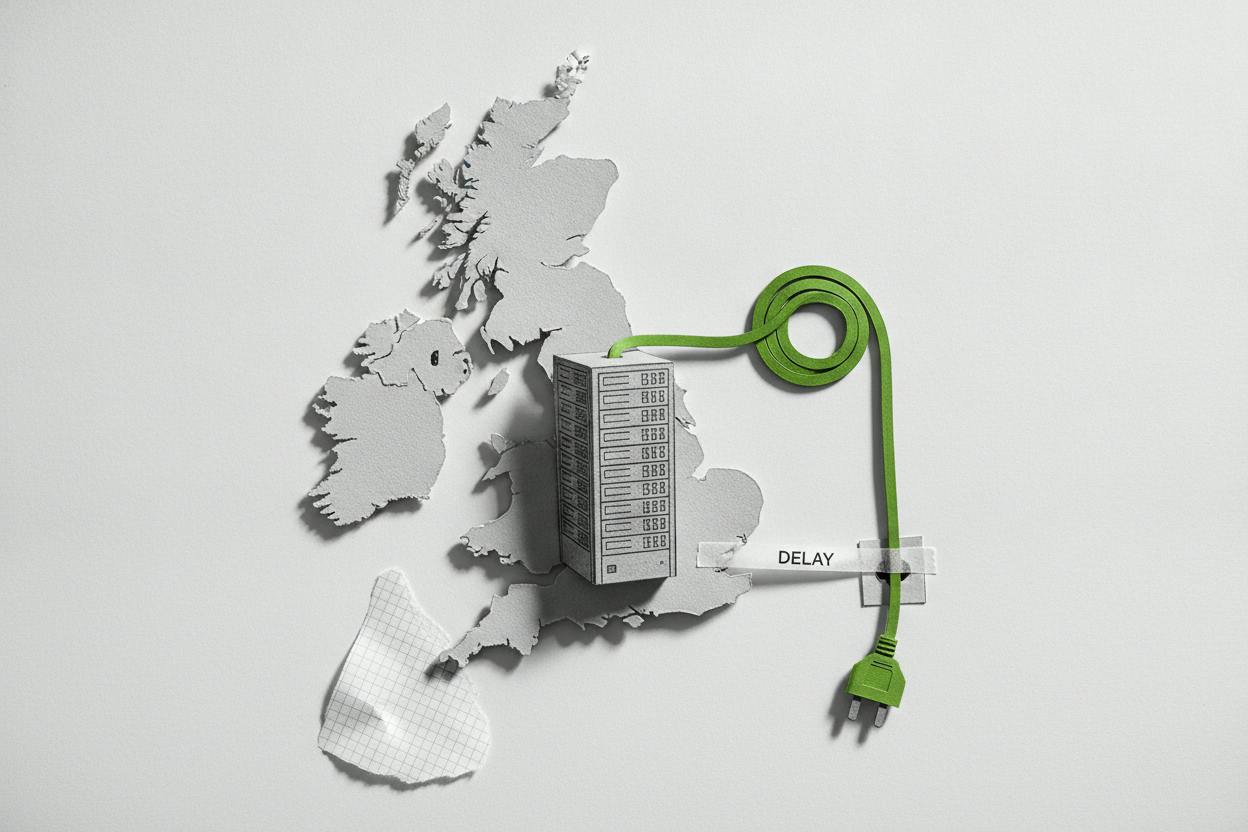
Reuters reports that grid-connection waits can stretch to 24 months in some emerging markets, and even longer in certain regions. That means a developer who wants to bring a facility online in six months—a common request from hyperscalers, according to Pivotale AI—may have to wait years just to plug into the grid.
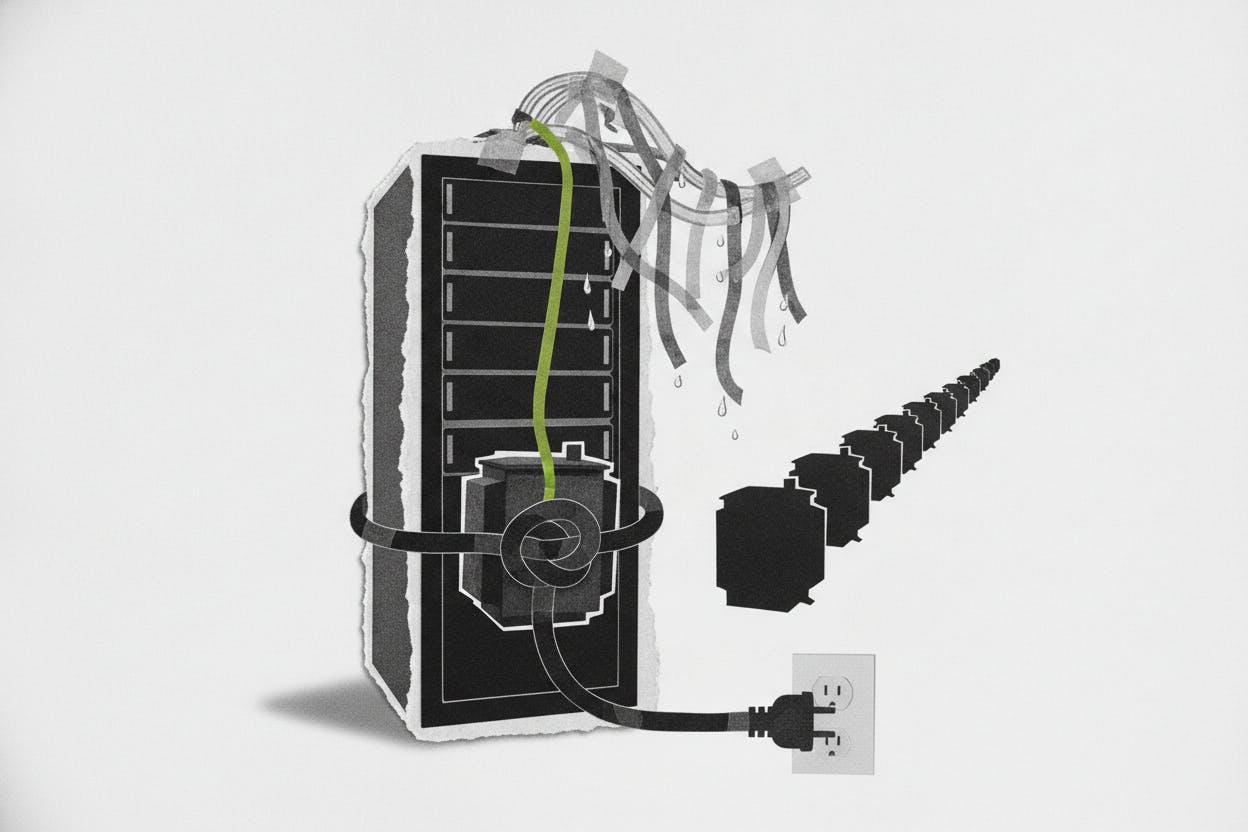
Transformers, which step down high-voltage electricity to levels usable by servers, are in particularly short supply. Traditional liquid-immersed transformers have long lead times, and the market is dominated by a handful of suppliers. This has pushed developers to consider solid-state transformers, which are more compact, more efficient, and can be manufactured faster.
Cooling is another pain point. AI chips run hot, and traditional air cooling is reaching its limits. Liquid cooling—which circulates coolant directly to the chips—is more efficient but requires new designs and specialized equipment. The shift is opening opportunities for companies that make cooling gear, but it also means higher upfront costs for developers.
Competition pressures supplier margins
While demand for transformers and cooling systems is booming, the suppliers themselves are facing a different problem: competition. As more companies pile into the market, pricing power is eroding. Reuters notes that even as developers clamor for equipment, suppliers are seeing their margins squeezed.
This is a classic supply-demand mismatch. On one hand, the sheer volume of AI construction is creating a seller's market for power gear. On the other, the influx of new entrants—and the push for faster, cheaper solutions—is keeping prices in check. For investors, this means the companies that make these components may not see the windfall they might expect from the AI boom.
That dynamic is playing out across the sector. For instance, SLB's recent deal to buy cooling maker Kelvion for $3.4 billion highlights the strategic value of cooling technology, but it also shows how much money is flowing into the space—and how competitive it's becoming.
What it means for investors
For everyday investors, the takeaway is that the AI story is no longer just about chipmakers like Nvidia. The infrastructure that supports AI—power, cooling, and grid connections—is becoming just as critical. That's why Nvidia's investments in custom AI chips and its data center strategy are only part of the picture.
Companies that provide transformers, cooling systems, and grid equipment are now in the spotlight. But as Reuters points out, the competitive landscape is intense. Suppliers may benefit from volume, but not necessarily from pricing power. Investors should watch for signs of margin compression in this space.
Another angle: the push for liquid cooling and solid-state transformers is a technological shift that could create winners and losers. Early adopters may gain a competitive edge, but the transition won't be smooth. Belimo's data center cooling opportunity is a case in point—the complexity is growing, and not every player will thrive.
Finally, the grid delays themselves are a reminder that AI's growth is tied to broader infrastructure issues. Some developers are pushing data centers 175 km from cities to find cheaper power, but that only goes so far. The real fix will require investment in grid modernization, which could take years.
For now, the message is clear: AI's next bottleneck isn't a chip shortage—it's the humble transformer and the cooling fan. Investors who understand this shift will be better positioned to navigate the market's next moves.