Belimo, the Swiss maker of heating, ventilation, and air conditioning (HVAC) control devices, reported an “exceptionally strong” first half, with sales climbing to 676.4 million Swiss francs. But the news that has investors talking isn't just the numbers—it's what they signal about the company's future in the age of artificial intelligence.
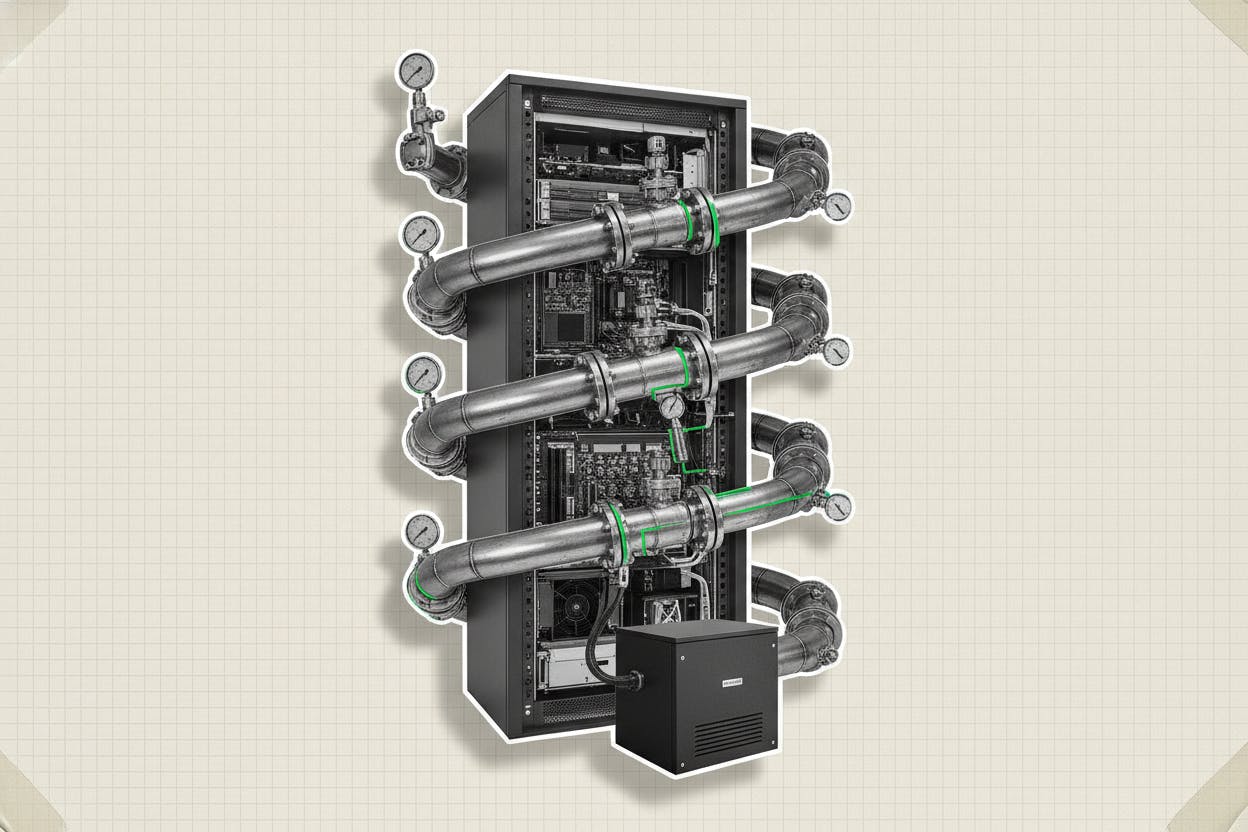
According to analysts at Berenberg, who maintained their buy rating on the stock, the real opportunity lies in the growing complexity of cooling systems inside AI-focused data centers. As AI workloads intensify, the density of servers—known as rack density—is rising. That means more heat generated in a smaller space, and traditional air cooling is no longer enough. Instead, data center operators are turning to liquid cooling systems that require far more precise control.
Belimo, which specializes in actuators, valves, and sensors that regulate airflow and fluid flow, is well positioned to benefit from this shift. Its products help manage the delicate balance of temperature and pressure in cooling loops, ensuring that liquid cooling systems operate efficiently and safely.
Why liquid cooling is becoming essential
For years, data centers relied on air conditioning to keep servers cool. But as chips have become more powerful—especially those used for AI training and inference—the heat they generate has outpaced what air cooling can handle. Liquid cooling, which uses water or other coolants to absorb heat directly from components, is far more efficient.
However, liquid cooling introduces new challenges. The systems must be carefully monitored and adjusted to prevent leaks, maintain optimal temperatures, and avoid energy waste. That's where Belimo's expertise comes in. Its control devices can modulate valves and pumps in real time, responding to changing conditions in the cooling loop.
Berenberg's analysts noted that AI-driven rack density is raising demand for tighter control of these systems. In other words, it's not just about having more cooling capacity—it's about having the intelligence to manage it precisely. This is a more complex problem than simply adding more fans or chillers, and it plays directly into Belimo's strengths.
A broader trend in data center infrastructure
Belimo is not alone in benefiting from the data center boom. Across the industry, companies that provide cooling, power, and other infrastructure are seeing increased demand. For example, big-ticket M&A has returned as buyers target real estate and data-center cooling, reflecting the strategic importance of these assets.
Similarly, Berenberg has lifted its target for Kingspan, a building materials company, citing data center demand as a growth driver. And Siemens has seen its target raised on the back of the same boom. The trend is clear: data centers are not just about computing power anymore; they are about the entire ecosystem of infrastructure that supports them.
Even the location of data centers is shifting. Europe's AI data centers are pushing 175 km from cities to access cheaper power, which adds further complexity to cooling and control systems. Remote locations may have different climate conditions, making precise control even more critical.
What it means for investors
For everyday investors, Belimo's story is a reminder that the AI revolution isn't just about chipmakers and software companies. The physical infrastructure that supports AI—power, cooling, and control systems—is equally important. Companies that provide these essential components could see sustained demand as data centers expand and evolve.
Belimo's first-half sales of 676.4 million francs represent a solid performance, and the company's focus on liquid cooling control positions it well for future growth. However, investors should be aware that the market for data center cooling is becoming more competitive, with both established players and new entrants vying for a share.
Berenberg's decision to maintain its buy rating suggests confidence in Belimo's ability to navigate this complexity. But as with any investment, it's important to consider the risks. The company's fortunes are tied to the pace of data center construction, which can be cyclical. Additionally, technological shifts—such as the development of even more efficient cooling methods—could alter the competitive landscape.
For now, Belimo appears to be riding a wave of demand driven by AI. The question is how long that wave will last, and whether the company can continue to innovate to stay ahead. Investors will be watching closely for updates on order books, new product launches, and how the company manages the increasing complexity of its customers' needs.
In the meantime, the broader takeaway is that the AI boom has ripple effects far beyond the tech sector. From cooling systems to power infrastructure, the companies that enable AI to run efficiently are becoming increasingly valuable. For those looking to diversify beyond the usual tech giants, this is a trend worth keeping an eye on.