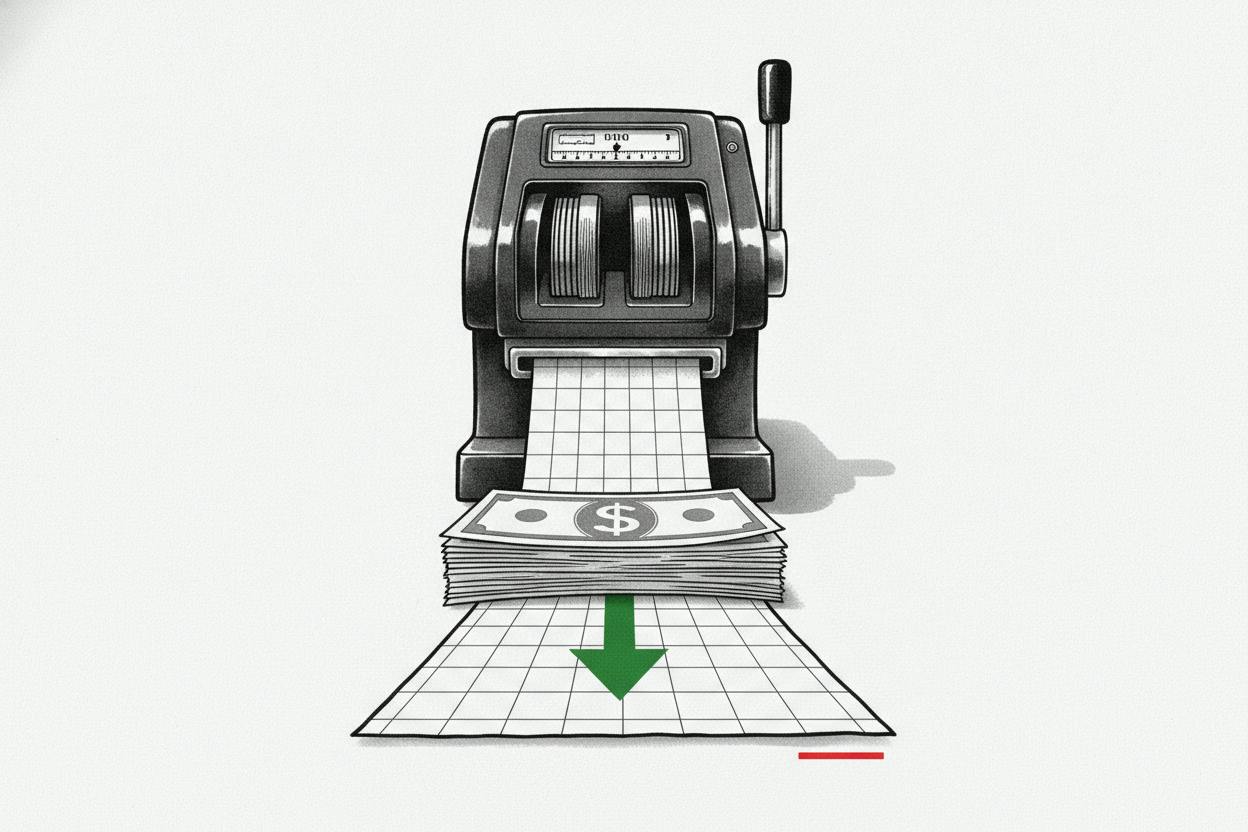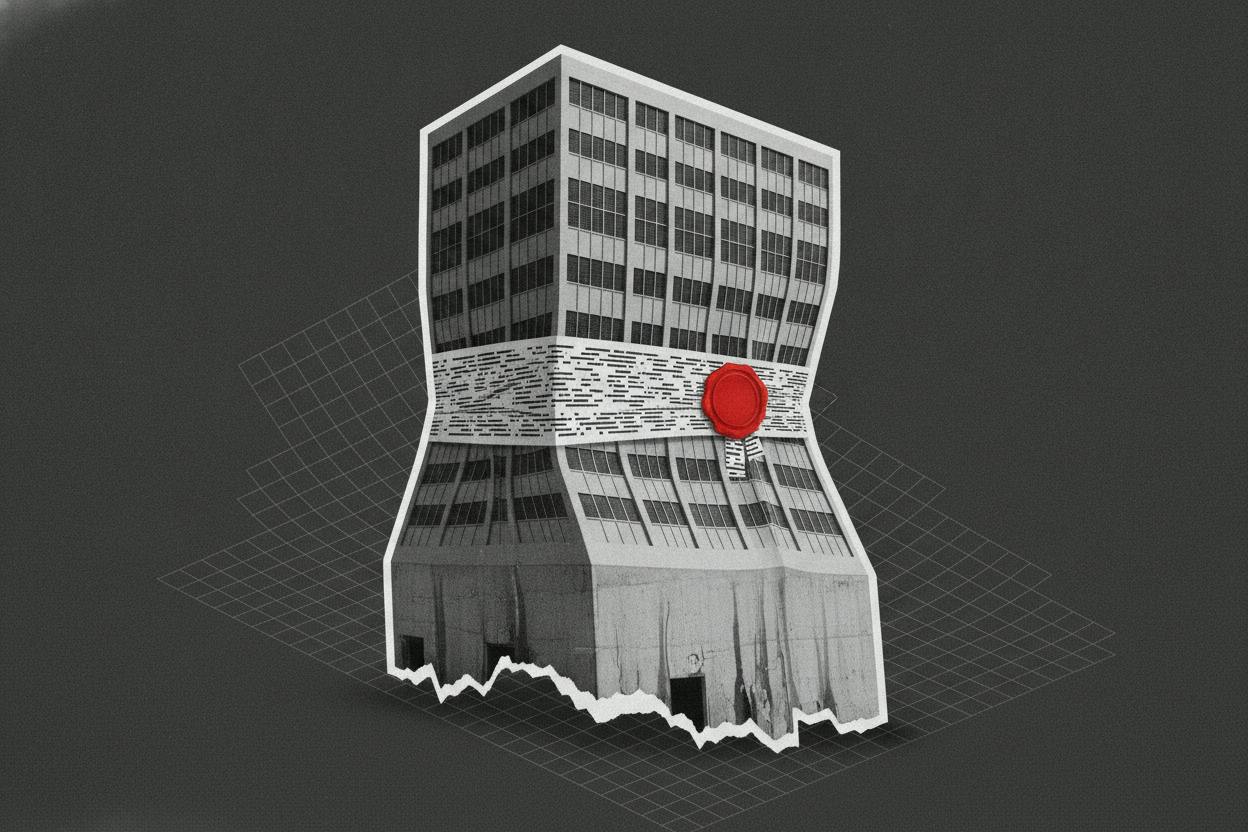
The AI trade hit a wall this week as investors began treating the rapid expansion of US data centers less like a sure thing and more like a bottleneck. The result: a deepening selloff that knocked roughly $2 trillion off the value of the Nasdaq-100 from its recent highs.
The pain was concentrated in the most cash-hungry corners of the AI story—chipmakers and the so-called neoclouds, smaller cloud providers that rent out computing power and rely on steady fundraising to build capacity. The Philadelphia Semiconductor Index slid as much as 11.2%, with Nvidia down 9% and AMD off 15%. Among neoclouds, CoreWeave fell 12% and Nebius dropped 15%.
Why the buildout is suddenly in question
For much of the past two years, the AI boom has been powered by a simple assumption: that data-center capacity would keep expanding at breakneck speed to meet surging demand for AI computing. That assumption is now being tested. Investors are questioning whether the buildout can stay on schedule, and what happens if it slips.
UBS estimated that about 30% of expected US data-center capacity additions in 2028 could be at risk if construction pauses. Meanwhile, Reuters reported that permitting could get tougher as regulators and communities push back on the strain that massive facilities place on power grids and water supplies. Bloomberg added that Microsoft is tightening oversight of some projects tied to Nebius, IREN, and Nscale.
This is a classic “price of AI” moment. If it takes longer and costs more to add computing capacity, the near-term revenue expectations that have been baked into AI-related stocks get repriced across the entire supply chain.
What it means for investors
For everyday investors, the key takeaway is that the AI trade is no longer a one-way bet. The stocks that have benefited most from the AI boom are now the most exposed to any hiccup in the buildout. Chipmakers, for example, are directly tied to the pace of data-center construction—if fewer centers get built, fewer chips get ordered.
The selloff also hit companies that are less obvious AI plays but are still linked to the buildout. GE Vernova and Constellation Energy, which investors associate with powering and equipping new data centers, were among the decliners. That shows how interconnected the AI trade has become—it now spans everything from semiconductors to electricity providers.
One of the clearest warning signs came from CoreWeave, whose five-year credit default swaps (CDS) hit a record high. CDS are essentially insurance against a borrower defaulting. When their price rises, it means lenders are demanding a bigger cushion to lend. For neoclouds like CoreWeave, that can translate into higher borrowing costs, tougher refinancing terms, and more reliance on equity raises or partner funding.
If financing tightens, the fastest lever for these companies is often to slow spending on new data centers. That’s why the market hit the most buildout-sensitive corners first—chipmakers and the companies that fund and fill the centers.
What to watch next
Investors will be watching several things in the coming weeks. First, any news on permitting and regulation. A Texas permit freeze has already raised concerns that a quarter of US data-center plans could be stalled. Second, how Microsoft and other big tech firms handle their neocloud deals. Microsoft’s pullback is a sign that even the biggest buyers are becoming more cautious. Third, whether neoclouds can continue to raise capital on reasonable terms. If funding costs keep rising, the buildout could slow further.
For now, the AI trade is in a correction phase. That doesn’t mean the long-term story is broken—AI demand is still real and growing. But it does mean that the market is no longer willing to pay any price for AI exposure. The days of assuming data-center expansion is inevitable are over. Investors are now asking harder questions about timelines, costs, and who will ultimately pay for all that computing power.
For the average investor, the lesson is to understand that AI-related stocks are not a monolith. Some companies are better positioned to weather a slowdown than others. But in a selloff like this, everything tied to the buildout tends to fall together. Diversification and a long-term perspective remain your best defenses.