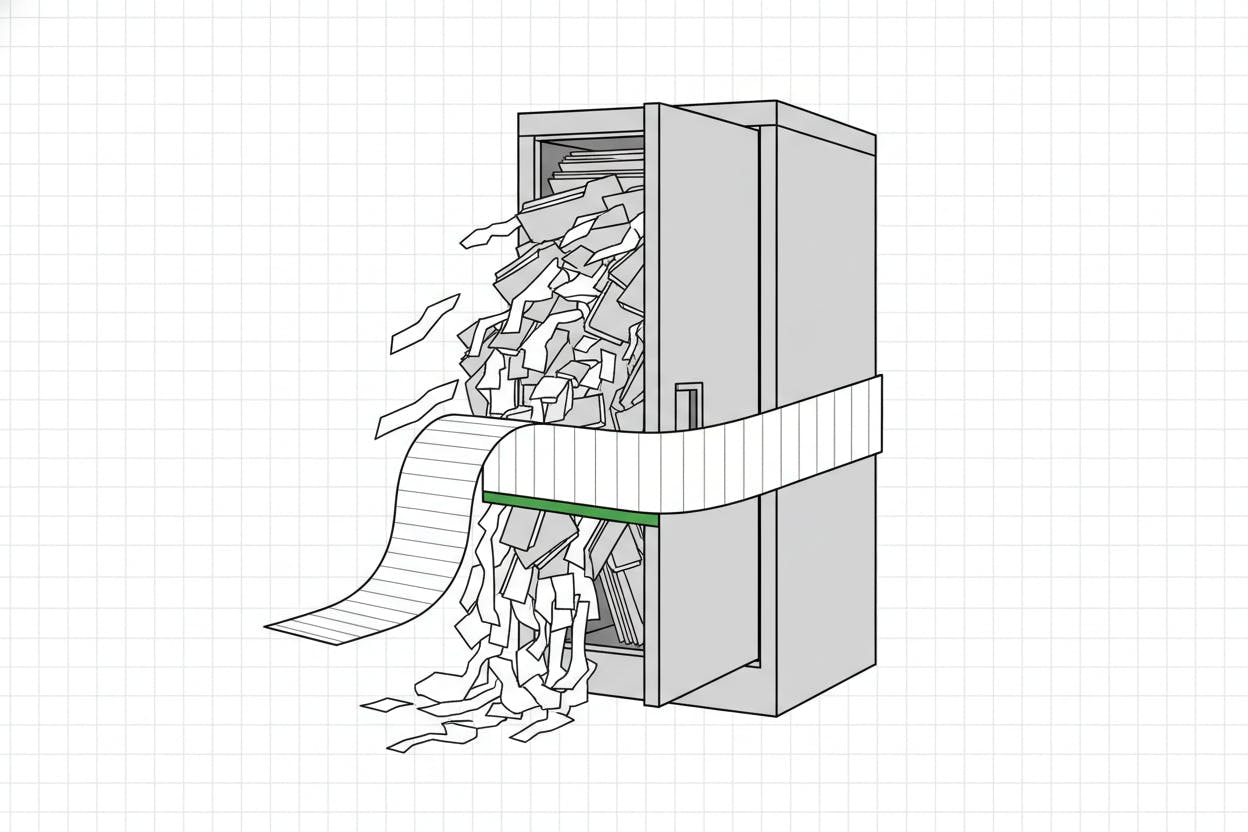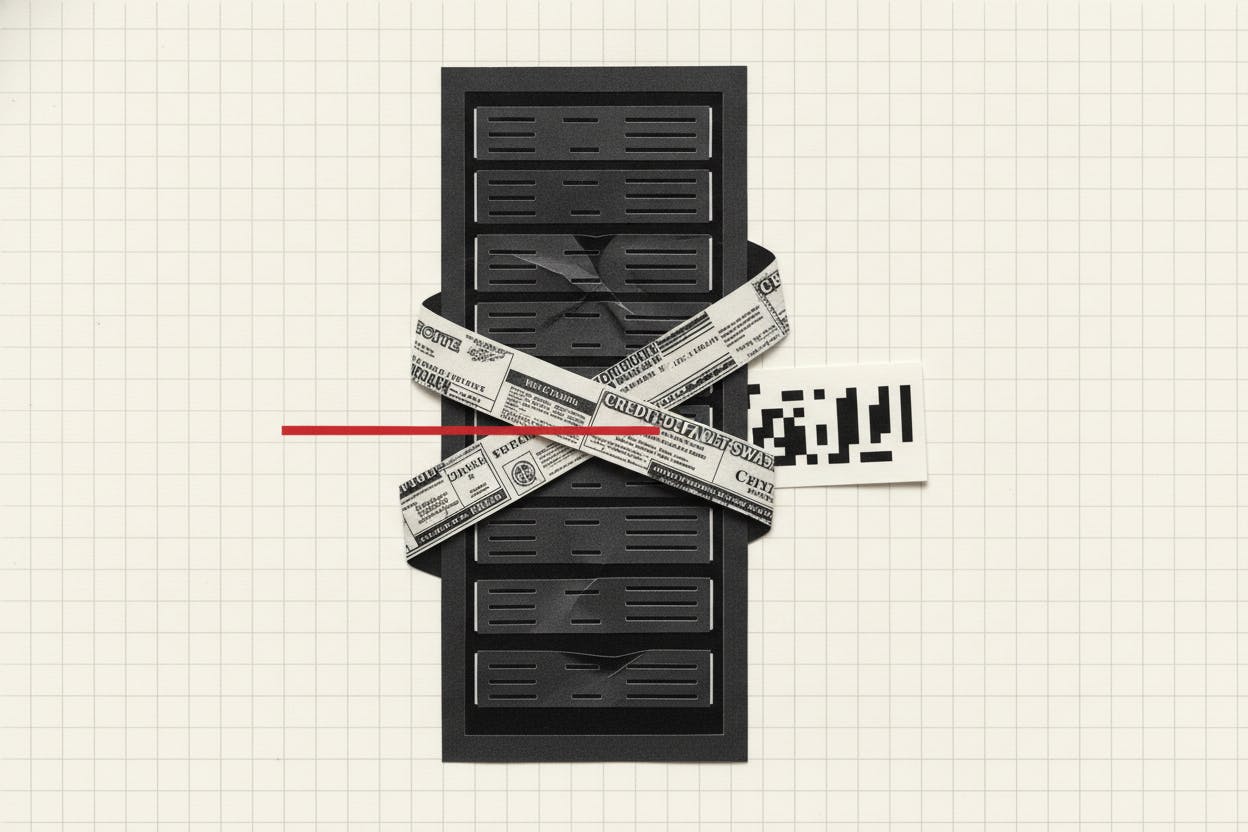
Credit default swaps tied to Big Tech “hyperscalers” are getting busier as AI spending pushes these companies to issue more bonds. Even though a real default still looks unlikely, traders are hedging more.
Credit default swaps (CDS) are insurance-like contracts that pay out if a borrower misses interest or principal payments. They are a quick way to hedge a bond position, and their activity is often seen as a barometer of credit risk sentiment.
According to DTCC, a post-trade data provider, CDS on 16 tech firms averaged about 54 trades a day in the second quarter, and roughly a third were tied to Oracle. That's a notable uptick in activity for a market that has historically been thin for tech names.
Why the sudden interest?
The rise in CDS activity coincides with a surge in bond issuance from hyperscalers – the largest cloud and data center operators like Amazon, Microsoft, Google, and Oracle. These companies are spending heavily on AI infrastructure, including data centers, chips, and energy, and they are funding that spending partly through debt.
As debt stacks up, investors who hold those bonds want protection. Buying a CDS is a way to insure against the risk that the borrower defaults. Even if the probability of default is low, the sheer volume of new debt means more investors are looking for hedges.
“This isn’t always a straight bet that a company will fail; it’s often investors buying protection as debt stacks up,” said one credit strategist, speaking on condition of anonymity.
What it means for investors
For everyday investors, the rise in CDS activity is a signal that credit risk is becoming a bigger consideration in the tech sector. It doesn't mean a default is imminent, but it does suggest that the market is pricing in more risk than before.
If you own bond funds or ETFs that hold tech debt, you might see slightly wider spreads or more volatility. But for most people, this is a background development – not a reason to panic.
The broader context is that AI is driving a capital spending boom, and that boom is being financed with debt. That's a normal cycle, but it means investors should pay attention to how much debt these companies are taking on and whether their cash flows can cover it.
Related: Oil slips premarket as WTI hits $83.50, but natural gas climbs – a reminder that energy costs are a key input for data centers.
The thin market problem
One reason CDS activity is notable is that the market is thin. Unlike government bonds or blue-chip corporate bonds, CDS on tech firms are not heavily traded. That means even a small increase in activity can move prices.
DTCC data shows that CDS on 16 tech firms averaged about 54 trades a day in the second quarter. That's a fraction of the trading volume in, say, sovereign CDS. But it's a sign that institutional investors are paying more attention to tech credit risk.
Oracle, which has been one of the most active issuers of debt to fund its AI cloud expansion, accounted for roughly a third of those trades. Oracle's debt load has grown significantly in recent years, and its CDS spreads have widened accordingly.
What to watch next
Investors will be watching whether CDS activity continues to climb as AI spending persists. If bond issuance keeps rising, so will the demand for hedges. That could lead to wider credit spreads, which would make it more expensive for these companies to borrow in the future.
For now, the consensus is that a real default is still a long shot. These companies have strong cash flows and access to capital markets. But the fact that traders are hedging more is a reminder that even the biggest names in tech are not immune to credit risk.
As small business optimism climbs and the economy shows resilience, the tech sector's debt boom is a story to keep an eye on. It's not a reason to sell, but it's a reason to understand what's happening beneath the surface.
For a broader view of market moves, check out Hong Kong stocks slip and dollar wavers as traders await key data.