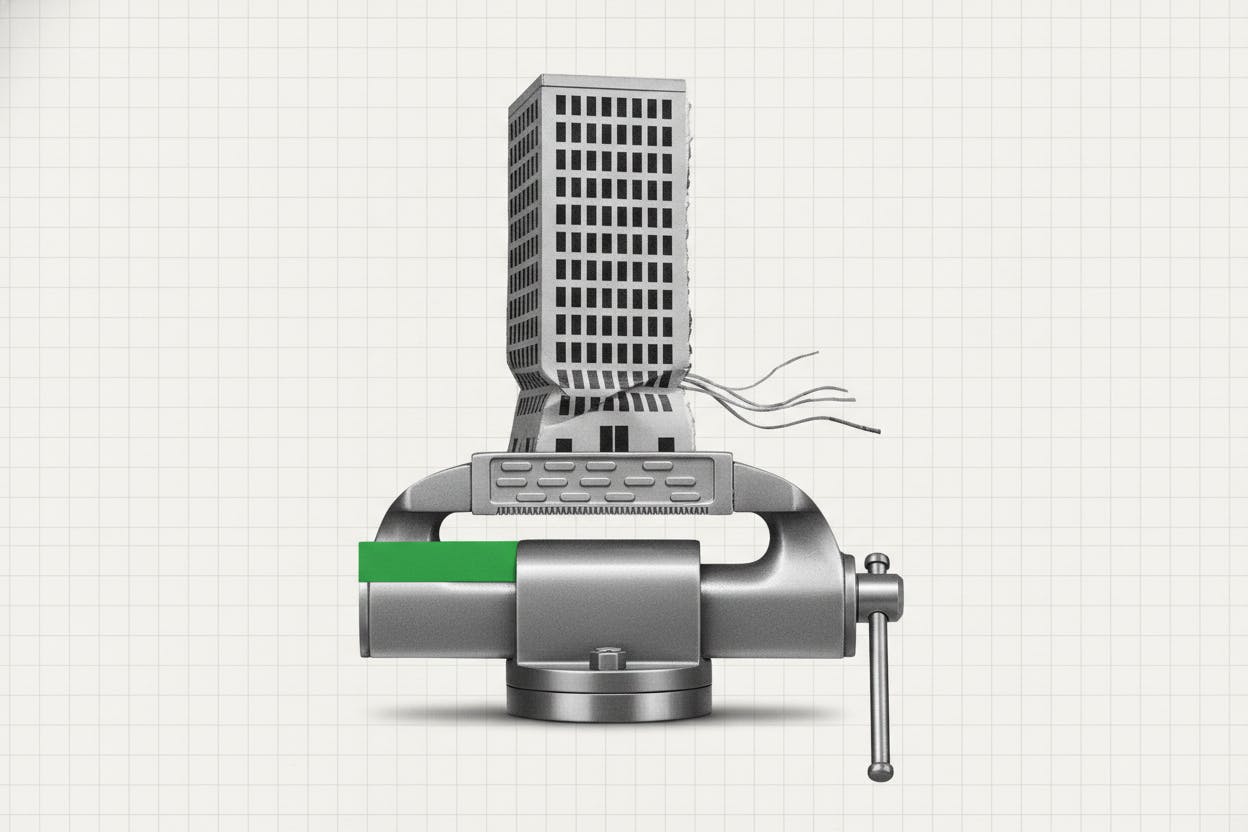
Wall Street's artificial intelligence trade is running into an uncomfortable reality: the US economy is still humming, but the very conditions that made AI stocks soar are starting to shift. According to Reuters, solid jobs data and resilient consumer spending are colliding with falling big tech shares and declining Treasury yields, as higher real interest rates begin to weigh on the market.
What's Happening in Markets
The US economy continues to show strength. Recent reports on employment and consumer spending have come in better than expected, which typically supports stock prices. But this time, the response has been more complicated. Some of the biggest names in the AI trade—particularly the hyperscalers, or cloud computing giants that are spending heavily on data centers—have seen their shares slip. Meanwhile, chipmakers that supply the hardware for AI infrastructure have held up relatively better.
At the same time, Treasury yields have been falling. That might sound like good news for stocks, since lower yields make borrowing cheaper and can boost valuations. But the catch is that real yields—the yield after accounting for inflation—are rising. That's a sign that the bond market is pricing in tighter financial conditions, which can squeeze companies that rely on debt to fund growth.
The AI Trade Splits in Two
The divergence within the AI trade is telling. On one side, you have the hyperscalers—companies like Amazon, Microsoft, and Google parent Alphabet—that are pouring billions into building out AI infrastructure. These firms need to finance massive capital expenditure, and higher real rates make that borrowing more expensive. That's one reason their stocks have been under pressure.
On the other side, chipmakers like Nvidia have fared better. These companies sell the picks and shovels of the AI boom—the processors and hardware that everyone needs. Their business model doesn't require the same level of debt-financed spending, so they're less exposed to rising real rates. But even they aren't immune to the broader market shift.
This split reflects a deeper question: can the AI trade continue to drive returns if the economic backdrop turns less favorable? Investors are starting to ask whether the massive spending on AI will pay off, especially if financing costs keep climbing. For more on that debate, see our coverage of AI Chip Stocks Slide as Healthcare Surges; Investors Question AI Spending Payoff.
What Rising Real Rates Mean
Real interest rates are the nominal rate minus inflation. When they rise, it means the cost of borrowing after adjusting for inflation is going up. That's a headwind for any company that needs to borrow money, but it's especially tough for growth stocks like those in the AI space. These companies often trade on expectations of future profits, and higher real rates reduce the present value of those future earnings.
The bond market is effectively sending a signal: even as the economy stays strong, financial conditions are tightening. That's a classic recipe for a market correction, especially in sectors that have run up the most. The AI trade has been one of the biggest winners of the past year, so it's natural for it to be the most vulnerable when the tide turns.
For context, this isn't the first time the market has struggled to digest conflicting signals. Earlier this year, a similar dynamic played out when strong jobs data led to fears that the Federal Reserve would keep rates higher for longer. That triggered a selloff in tech stocks, even as the broader economy held up. You can read more about that pattern in Wall Street Eyes Payrolls, Fed Speech, and Oil as Tech Selloff Deepens.
What It Means for Everyday Investors
For ordinary investors, this story is a reminder that markets don't move in straight lines. The AI boom has been a powerful driver of returns, but it's not immune to macroeconomic forces. When real rates rise, it can hit the stocks that have the highest valuations the hardest—and that's exactly what we're seeing now.
It's also worth noting that the economy's strength is a double-edged sword. On one hand, solid jobs and spending support corporate profits and consumer confidence. On the other, they keep pressure on the Fed to maintain higher rates, which can eventually slow down the very growth that investors are counting on.
Investors should watch for signs that the rotation out of big tech is spreading. If the selloff deepens, it could create opportunities in other sectors that have been overlooked. But for now, the message from the market is clear: the AI trade is no longer a one-way bet. For more on how rising costs are affecting Wall Street, check out Wall Street Rally Faces Rising Costs as Bank Financing Tightens.
Ultimately, this is a story about the tension between a strong economy and a market that's priced for perfection. The AI trade has been a huge winner, but it's now fighting against the very forces that made it possible. How that fight resolves will shape the direction of markets in the months ahead.