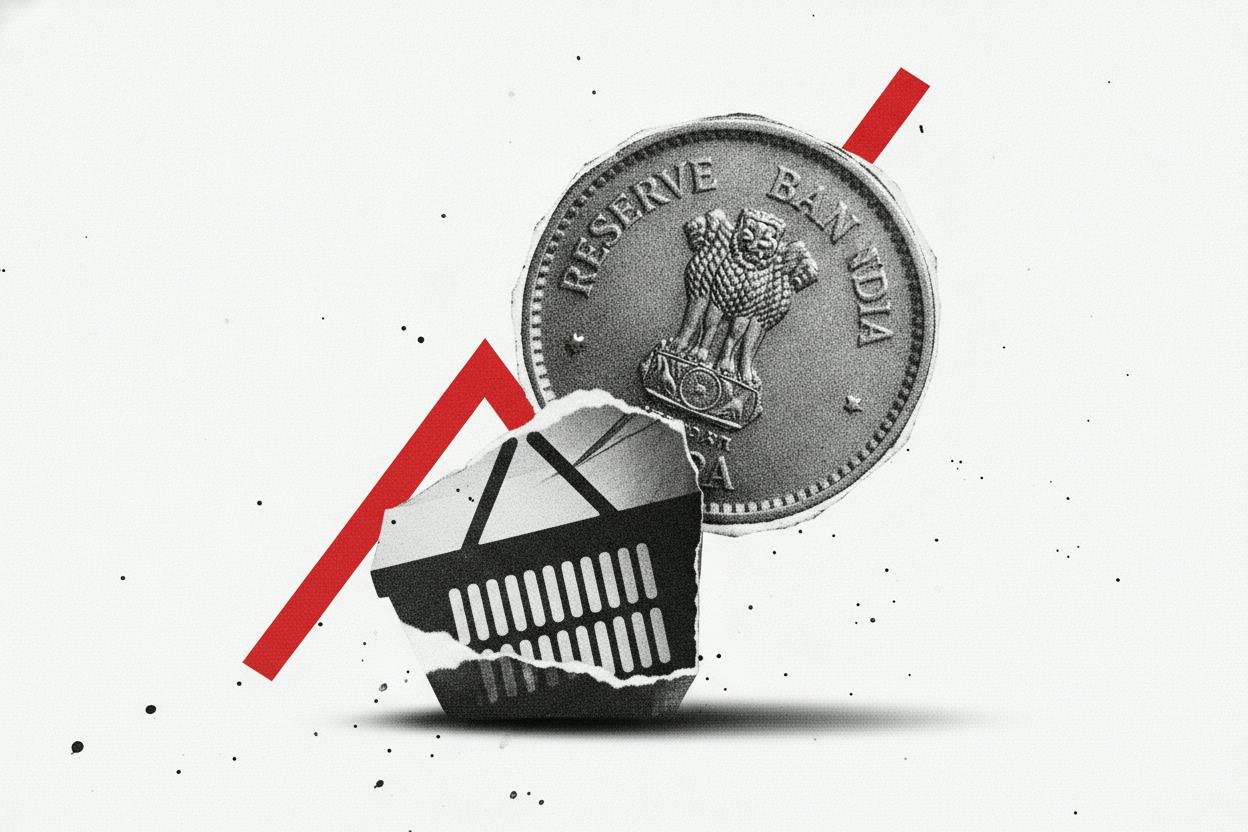
Industrial metals are moving in opposite directions this week, with aluminum sliding to an eight-month low while copper touched its highest level since September 25. The divergence reflects two powerful forces: a strengthening US dollar and fresh supply worries at some of the world's biggest copper mines.
Why the dollar is weighing on metals
Most metals are priced in US dollars on global markets. When the dollar strengthens, those dollar-denominated prices become more expensive for buyers using other currencies, which tends to dampen demand and push prices down. That dynamic is playing out across the metals complex, but aluminum has been hit particularly hard.
The dollar has been hovering near an 18-month high as traders position for upcoming US inflation data that could influence the Federal Reserve's next move on interest rates. If inflation comes in hot, the Fed may keep rates higher for longer, which would support the dollar further and keep pressure on metals. Investors are watching that data closely, as it could set the tone for commodities in the weeks ahead.
Copper's supply shock
Copper, by contrast, is getting a boost from the supply side. New disruption risks have emerged at major mines in Chile, the world's largest copper producer. Any interruption to output from Chile can quickly tighten the market, since copper is essential for everything from construction to electric vehicles and power grids.
When supply is threatened, buyers scramble to secure material, pushing prices higher. That's why copper has been able to shrug off the stronger dollar and climb to its highest level in over a month. The situation is a reminder that for commodities, supply shocks can sometimes outweigh currency headwinds.
What it means for investors
For everyday investors, the split between aluminum and copper highlights how different factors drive different metals. Aluminum is more sensitive to global economic sentiment and the dollar, while copper often reacts more sharply to supply disruptions and long-term demand trends like electrification.
If you hold shares in mining companies or funds that track metals prices, these moves matter. A falling aluminum price can squeeze producers' profit margins, while rising copper prices can boost earnings for copper-focused miners. However, it's important to remember that commodity prices are volatile and can reverse quickly as new data or headlines emerge.
The key thing to watch next is the US inflation report. A stronger-than-expected reading could keep the dollar firm and extend aluminum's slide, while any hint of easing inflation might relieve some pressure on metals. On the copper side, any news about the Chilean mine disruptions—whether they're resolved or worsen—will likely drive the next leg of the move.
For those with diversified portfolios, these swings are a normal part of the commodities cycle. Rather than reacting to daily price moves, it's usually wiser to focus on your long-term investment goals and risk tolerance.
Broader market context
The metals moves come against a backdrop of mixed global markets. European bank stocks have been leading gains as oil prices ease and earnings season approaches, while Asian markets have seen miners and tech stocks push indices higher. The dollar's strength is also affecting other currencies, with the Australian dollar steadying ahead of central bank minutes and jobs data.
For investors, the interplay between the dollar, inflation, and commodity prices is a reminder of how interconnected global markets are. A single data point—like the upcoming US CPI report—can ripple through currencies, metals, and equities alike.
Bottom line
Aluminum's slide and copper's climb are two sides of the same coin: the dollar's strength is a headwind for metals, but supply disruptions can override that. As always, keep an eye on the data and remember that commodity markets are inherently unpredictable.