Aluminum prices took a hit this week as the geopolitical risk premium that had been baked into the metal's price began to unwind. The most-traded contract on the Shanghai Futures Exchange (SHFE) fell 2.75% to 22,825 yuan per ton, while London Metal Exchange three-month aluminum was little changed on the day but still roughly 8% lower for the week, according to Reuters.
The move wasn't driven by a sudden shift in supply or demand for the metal itself. Instead, it reflected a broader easing of fears about Middle East disruptions that had pushed up energy and shipping costs. As Brent crude oil slid 1.82%, traders reduced the extra 'just in case' premium they had been paying for industrial commodities.
Why Aluminum Is Especially Sensitive to Energy Costs
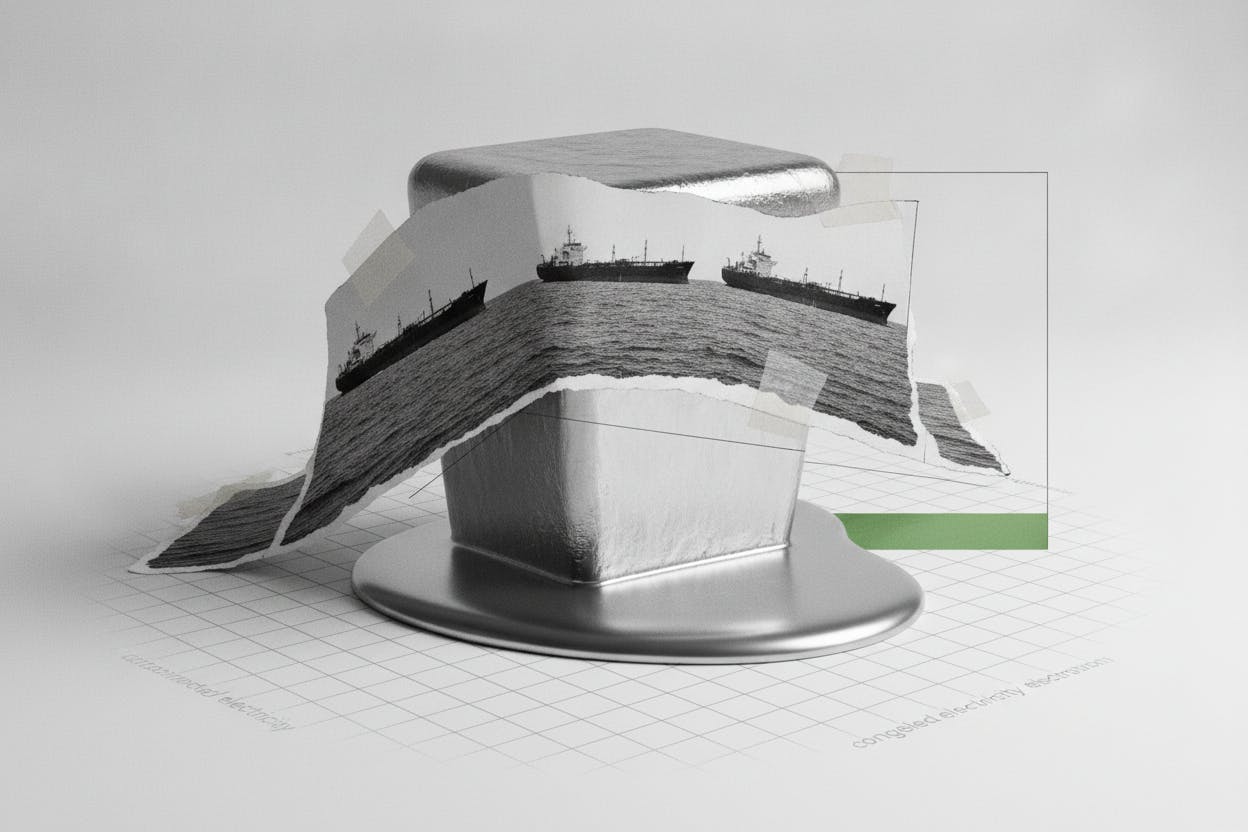
Aluminum production is extremely electricity-intensive—the metal is often described as 'congealed electricity' because energy accounts for such a large share of its cost. When expected energy and transport costs fall, the price level that producers need to keep smelters running (their rough marginal cost) can drop too, pulling down the market's perceived floor.
This dynamic makes aluminum more vulnerable than many other metals to shifts in energy markets. If supply routes look less threatened, buyers also have less reason to hold extra inventory as insurance against potential disruptions. That precautionary stockpiling had been adding to demand, and its reversal is now putting downward pressure on prices.
The broader context includes ongoing uncertainty about where US interest rates are headed. Traders are waiting for the release of the US Personal Consumption Expenditures (PCE) price index, the Federal Reserve's preferred inflation gauge. Higher interest rates can cool economic growth and make financing inventories more expensive, both of which tend to weigh on commodity prices.
What an 8% Weekly Slide Means for Markets
An 8% weekly decline shows how quickly a risk premium can exit the market. When geopolitics pushes up oil and freight costs, aluminum prices often carry an added cushion because energy is such a large part of production. As that cushion fades, the pressure tends to show up first in near-dated futures and physical premiums—the parts of the market most influenced by short-term supply fears and precautionary stockpiling.
In other words, even if longer-run supply and demand fundamentals haven't changed much, front-end pricing can still swing hard when traders stop paying for disruption protection. This week's move is a reminder that geopolitical risk premiums are inherently volatile and can reverse just as quickly as they appear.
The easing of Middle East tensions has also been reflected in oil markets. As oil prices slid on news that tankers were clearing the Strait of Hormuz and the US authorized Iranian sales, the broader risk-off tone in commodities accelerated.
What It Means for Everyday Investors
For investors, the aluminum price slide is a case study in how geopolitical events can create temporary distortions in commodity markets. The key takeaway is that not every price move reflects a change in the underlying supply-demand balance. Sometimes it's just fear being priced in—and then priced out.
Investors who hold aluminum-related stocks or exchange-traded funds (ETFs) should be aware that such volatility is normal, especially when energy costs and geopolitical risks are in flux. The metal's price is likely to remain sensitive to any new developments in the Middle East, as well as to the upcoming US inflation data.
If the PCE report comes in hotter than expected, it could reinforce expectations of higher-for-longer interest rates, which would further pressure aluminum and other industrial commodities. Conversely, a cooler reading could ease those concerns and provide some support.
For now, the market is in a wait-and-see mode, with traders watching both geopolitics and central bank policy for the next catalyst. The 8% weekly drop is a stark reminder that risk premiums can evaporate quickly—and that commodity investors need to stay nimble.