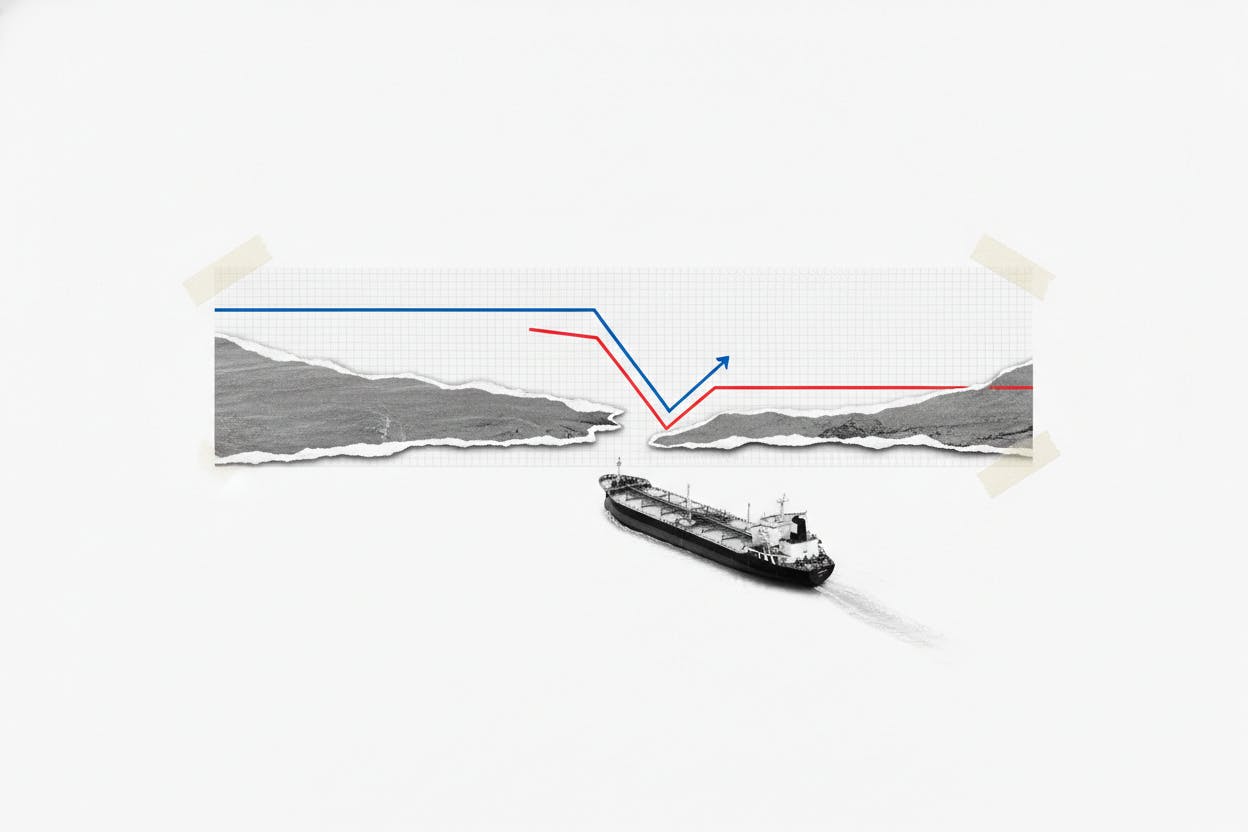
Oil prices took a sharp dive on Wednesday as more tankers cleared the Strait of Hormuz and the United States signaled it would allow some Iranian oil sales, easing fears of an immediate supply crunch. Brent crude, the global benchmark, fell 4.3% to settle at $73.74 a barrel, its biggest single-day drop in weeks.
The move came as shipping data showed previously delayed vessels finally leaving the strategic waterway, which had been a flashpoint for supply concerns. US Energy Secretary Chris Wright said flows through the Strait of Hormuz appeared close to pre-conflict levels, a comment that helped shift market sentiment.
What Changed for Oil Markets
For weeks, traders had been pricing in a risk premium tied to potential disruptions at the Strait of Hormuz, through which about 20% of the world's oil passes. The sight of tankers moving again, combined with a Reuters report that the US had authorized Iranian oil sales as part of an interim understanding linked to nuclear inspections and safe passage, prompted a rapid reassessment.
However, both sides are already disputing what was agreed, raising doubts about how long any extra supply will last. That uncertainty means the market may not have fully priced in the durability of the accord.
The most telling signal came from oil's "curve" — the relationship between prices for delivery now versus later. Second-month Brent traded above the front-month contract for the first time since the conflict began, a condition known as contango. In plain terms, that means buyers can get oil cheaper today than they would have to pay for it in the future, a sign that the market is less desperate for immediate barrels.
Reuters also reported that physical cargoes were selling at discounts in several regions, another indication that the scramble for prompt supply has eased.
What It Means for Investors
For everyday investors, the headline number — Brent's $73.74 close — matters less than what the curve is telling us. When the front-month price stops trading above later months, it reduces the incentive for traders and producers to hold crude right now rather than later. That can lead to more barrels being parked in onshore tanks or even floating storage, which tends to keep downward pressure on spot prices and widen discounts for physical cargoes.
The Brent prompt-to-second-month spread is now a key tell. If it stays flipped into contango, it suggests the market believes near-term tightness is easing. If it snaps back to backwardation — where front-month prices are higher — that would hint that Wednesday's drop was mostly a headline-driven reset rather than a lasting change in supply-demand conditions.
Investors should also watch for follow-through in energy stocks and exchange-traded funds (ETFs) tied to crude. A sustained drop in oil prices could weigh on the energy sector, which had been a relative bright spot in recent months. Conversely, lower oil prices are generally a tailwind for industries that consume a lot of fuel, such as airlines and shipping companies.
The broader context matters too. Oil markets remain sensitive to geopolitical developments, and the situation in the Middle East is far from resolved. The US authorization of Iranian oil sales is tied to nuclear inspections, and any breakdown in those talks could quickly reverse the current move. Meanwhile, the Organization of the Petroleum Exporting Countries (OPEC) and its allies are set to meet later this year to discuss production levels, adding another layer of uncertainty.
For now, the market is breathing a sigh of relief. But as the contango signal shows, the real story is not just the price drop — it's what the price structure says about the balance between supply and demand going forward.