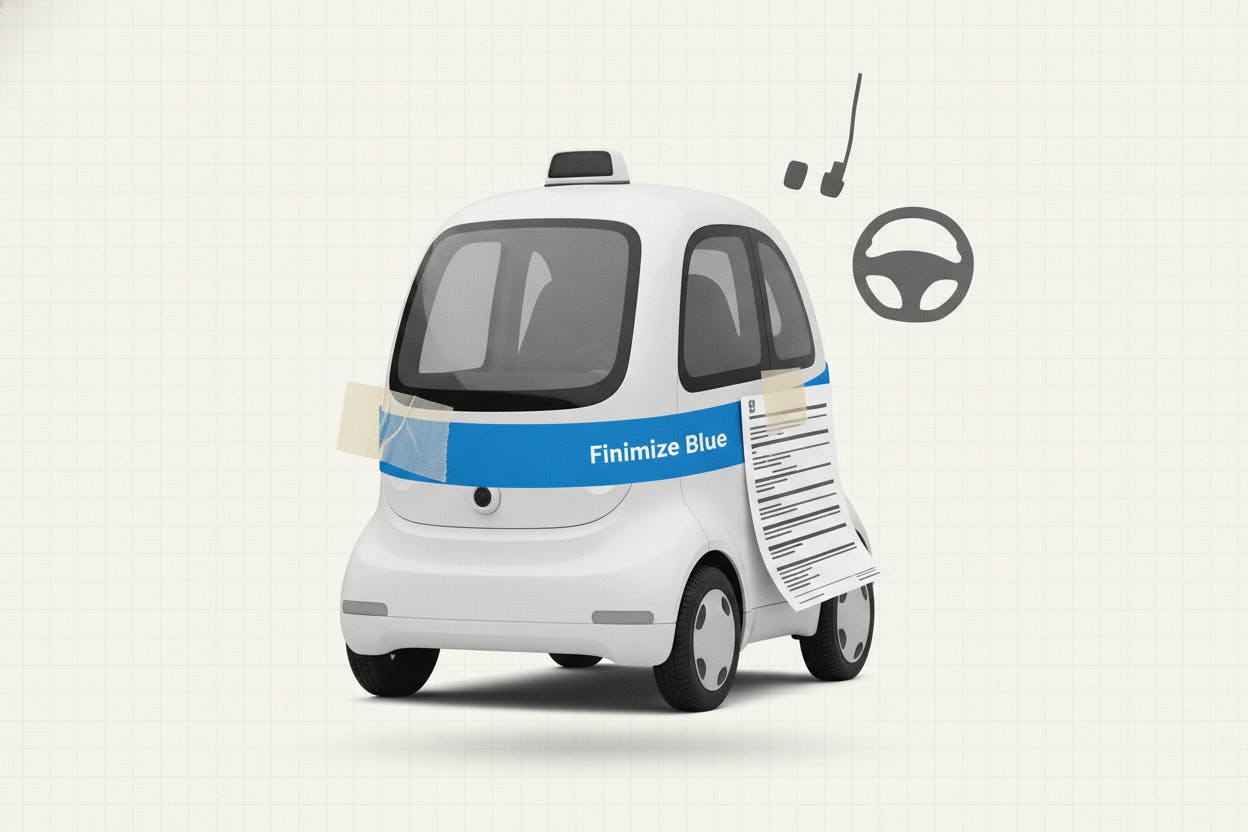
Amazon's self-driving startup Zoox has cleared a major regulatory hurdle, winning permission from U.S. safety regulators to operate paid robotaxis that have no steering wheel or pedals. The exemption from the National Highway Traffic Safety Administration (NHTSA) marks a first for a purpose-built autonomous vehicle designed without any manual controls.
The decision allows Zoox to deploy up to 2,500 vehicles per year for the next two years, according to NHTSA official Jonathan Morrison speaking to Reuters. The company must also submit additional safety reports as part of the exemption.
What the exemption means
Zoox, which Amazon acquired in 2020 for roughly $1.2 billion, designed its electric robotaxi from the ground up to be fully autonomous. The vehicle has no steering wheel, no pedals, and seats four passengers facing each other like a small shuttle. But U.S. vehicle safety rules were written with human drivers in mind, requiring features like a steering column and foot pedals.
NHTSA's exemption carves out an exception to those rules, letting Zoox operate its vehicles commercially without those traditional controls. The agency has granted similar exemptions before for other autonomous vehicle companies, but usually for vehicles that still had a steering wheel or were limited to testing. This is one of the first exemptions for a vehicle designed from scratch without any manual driving capability.
The exemption is not permanent. It lasts two years and caps the number of vehicles at 2,500 per year. Zoox will need to reapply if it wants to continue beyond that period or scale up.
Why it matters for investors
For Amazon shareholders, this is a tangible step forward in the company's long-term bet on autonomous transportation. Amazon has invested heavily in logistics and delivery infrastructure, and Zoox's technology could eventually integrate into Amazon's delivery network or its growing B2B unit, which recently hit $60 billion in annualized sales. While the robotaxi business is still tiny compared to Amazon's core e-commerce and cloud computing operations, it represents a potential new revenue stream in the mobility market.
The approval also signals that U.S. regulators are willing to work with companies on autonomous vehicle deployment, even as safety concerns remain. NHTSA has been cautious about self-driving technology, but this exemption shows a path forward for companies that can demonstrate safety through data and reporting.
For the broader autonomous vehicle industry, the decision could set a precedent. Other companies like Waymo and Cruise have deployed robotaxis with steering wheels and pedals, but Zoox's design is more radical. If Zoox succeeds, it could encourage other automakers and tech companies to pursue purpose-built autonomous vehicles without manual controls.
What to watch next
Zoox still faces significant challenges. The company must prove its vehicles are safe in real-world conditions, and it will need to expand its operations beyond a limited area. The exemption requires extra safety reporting, which means NHTSA will be watching closely.
Amazon's broader push into AI and robotics also continues. The company recently reaffirmed its commitment to AI model building even as it cut some roles in its AGI team. And the robotics space is heating up, with startups like Humanoid raising $152 million and Samsung launching a robotics division reporting directly to its CEO.
For everyday investors, the key takeaway is that autonomous vehicle technology is slowly moving from testing to commercial reality, but it remains a long-term bet. The exemption is a milestone, but Zoox still has a long road ahead before its robotaxis become a common sight on American streets.