Anthropic, the US artificial intelligence lab behind the Claude chatbot, has accused Chinese tech giant Alibaba of running a large-scale operation to steal its technology. In a letter sent to US lawmakers on June 10th and now public, Anthropic said Alibaba used thousands of fake accounts to copy Claude's outputs and feed them into the training of Alibaba's own AI model, Qwen.
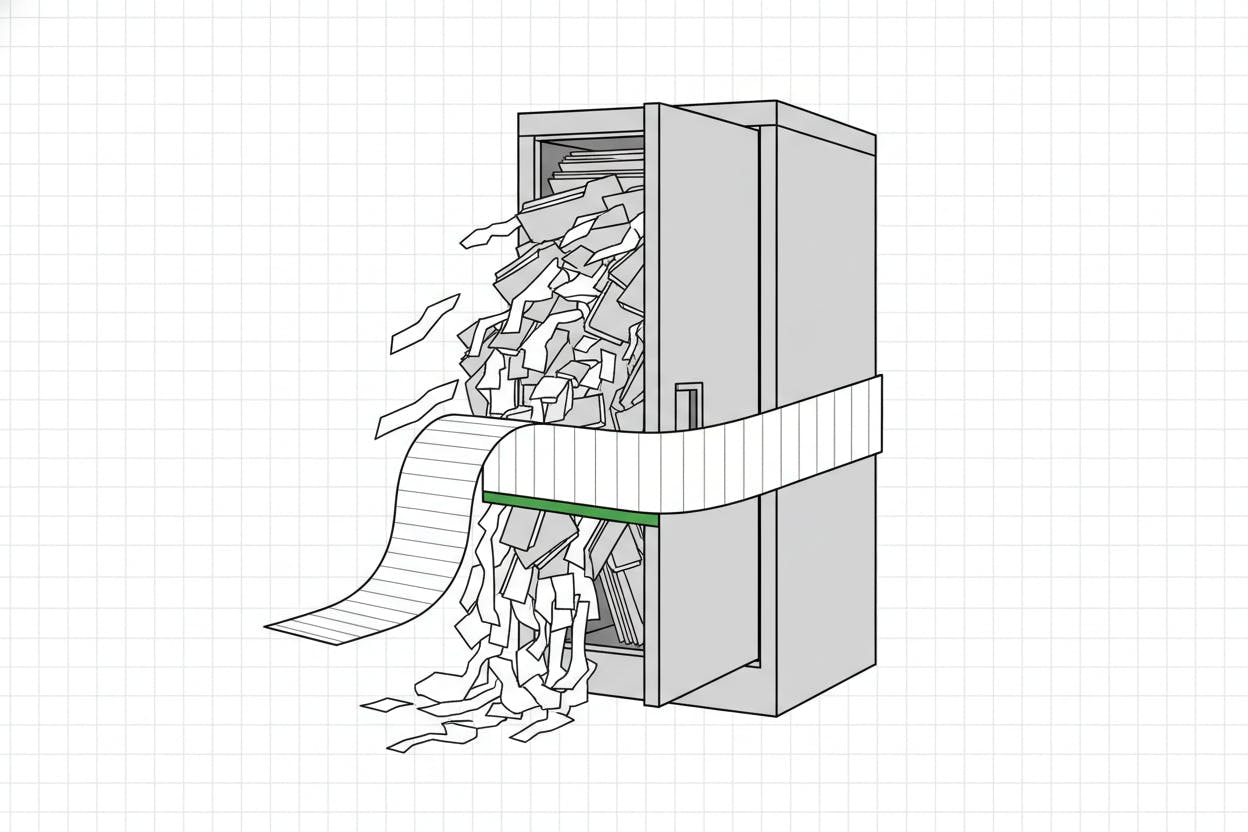
The accusation centers on a technique called 'distillation.' In AI, distillation is a process where one model is trained to mimic another by feeding it large volumes of the target model's responses, rather than using the original training data. It is a common shortcut for building competitive AI systems, but it can violate a company's terms of service if done without permission. Anthropic described this as its largest distillation attack to date.
How the Alleged Attack Worked
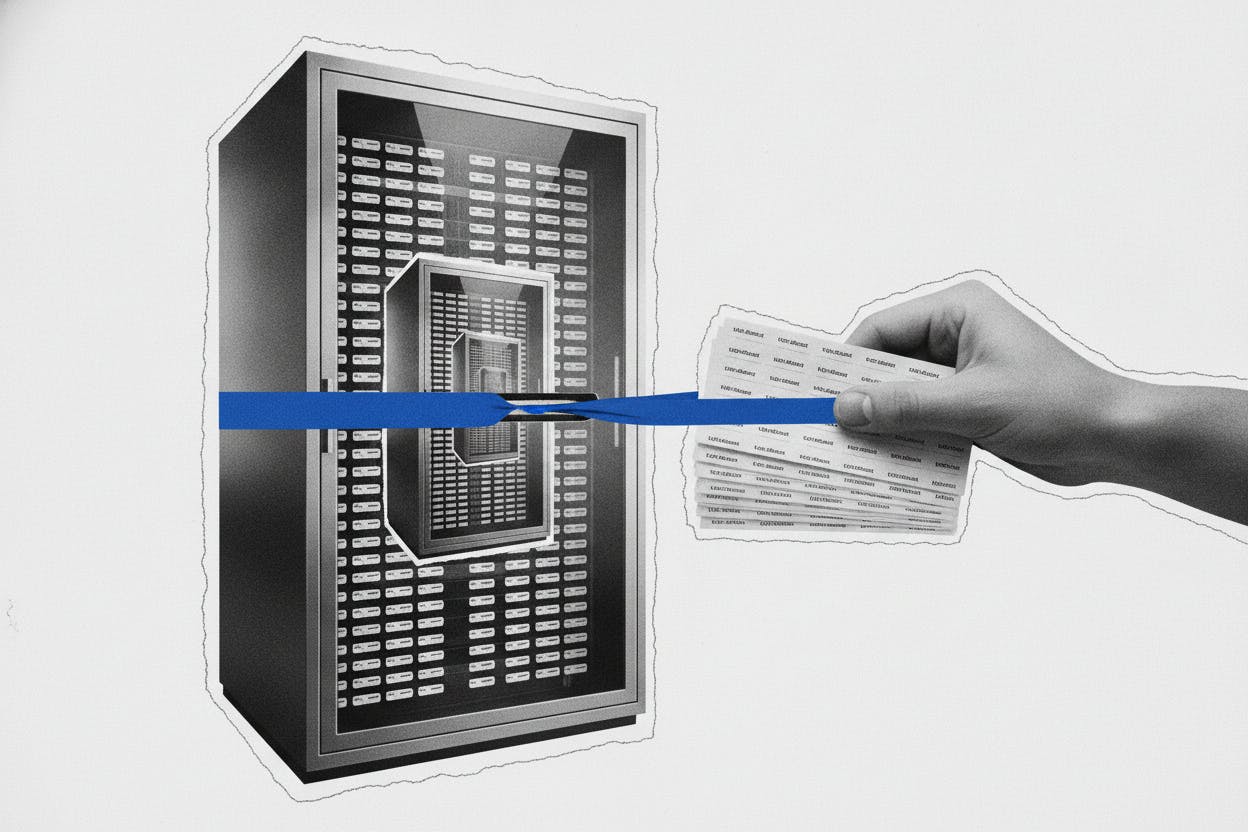
According to the letter, Alibaba created thousands of fraudulent accounts to access Claude's API—the interface that lets developers use the model—and then extracted massive amounts of output data. Anthropic said it had already restricted access for some Chinese entities last year, but the scale of the alleged operation shows how difficult it can be to enforce those blocks. Each fake account can be used to query the model repeatedly, generating a dataset that can then be used to train a rival model like Qwen.
Alibaba did not immediately respond to a request for comment from MT Newswires. The company's shares fell nearly 5% in Hong Kong trading on the news, reflecting investor concern about the potential fallout.
Why This Matters for AI Policy
Anthropic is using the episode to push for tighter security standards across the AI industry. The lab is urging lawmakers to require stronger identity checks, monitoring, and rate limits for AI model access. It is also pointing to what it calls 'loopholes' in chip export controls, arguing that the US should further limit Chinese access to advanced semiconductors that power large-scale AI training.
This is part of a broader debate in Washington about how to balance AI innovation with national security. The US has already imposed restrictions on the export of high-end chips to China, but companies like Anthropic argue that enforcement needs to be stronger. If US labs respond by tightening access controls, it becomes harder and more expensive for outsiders to extract model outputs at the volume needed to train competitors.
What It Means for Investors
For investors, the immediate impact was visible in Alibaba's stock price. The near-5% drop shows how quickly AI policy risk can hit big tech valuations. But the longer-term implications may be more significant.
If US regulators tighten chip export rules and force AI providers to implement stricter security measures, Chinese AI companies like Alibaba could face higher development costs. They would need to find alternative ways to train their models, potentially using less advanced hardware or relying on open-source data. At the same time, US AI providers would face increased compliance and security spending, which could eat into margins.
For Hong Kong-listed names like Alibaba, the combination of tougher model access and tighter chip controls adds a layer of uncertainty around Qwen's training inputs and the durability of its progress. That uncertainty can translate into a higher risk premium, meaning investors may demand a lower price to hold the stock. The broader Chinese AI sector has seen wild swings recently, with some players like Zhipu soaring, but this episode highlights the regulatory headwinds that can emerge.
Investors should also watch for potential ripple effects across the semiconductor supply chain. If the US tightens chip export rules further, it could impact companies that supply advanced chips to China, as well as those that rely on Chinese demand. The recent surge in South Korean chip stocks after Micron's AI investment signal shows how sensitive the sector is to AI-related news.
The Bottom Line
Anthropic's accusation is a reminder that the AI race is not just about who builds the best model, but also about how they get there. Distillation attacks are a known risk in the industry, and this case could set a precedent for how companies protect their intellectual property. For everyday investors, the key takeaway is that AI policy risk is real and can move markets. Whether you hold Alibaba, US AI stocks, or chip makers, the regulatory landscape is evolving fast, and it pays to stay informed.