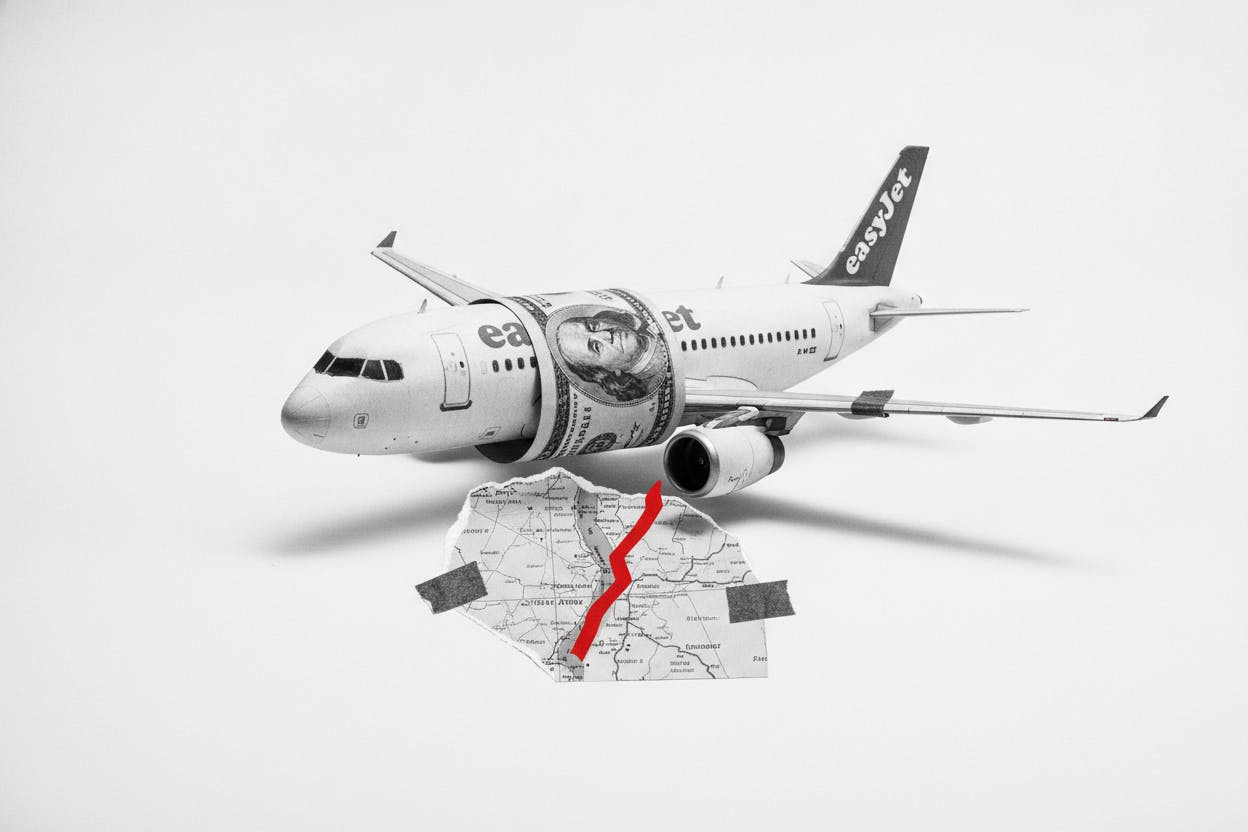
EasyJet, one of Europe's best-known budget airlines, has agreed to be bought by Apollo Global Management in a £5.7 billion all-cash deal. The private equity firm's bid vehicle, Eagle Bidco, will pay 715 pence for each EasyJet share, a price that values the UK carrier at a significant premium to its recent trading levels.
The acquisition is a major bet on the future of European short-haul travel, which has recovered strongly since the pandemic but still faces headwinds from fuel costs and economic uncertainty. For Apollo, the deal represents a large-scale private equity takeover of a major airline, a sector that has historically been difficult for buyout firms to navigate due to its capital intensity and sensitivity to economic cycles.
What the deal means for EasyJet shareholders
For everyday investors who hold EasyJet shares, the offer is straightforward: they will receive 715p in cash for each share they own, and the company will be delisted from the London Stock Exchange. This type of all-cash takeover removes the uncertainty of waiting for a turnaround story to play out, but it also means shareholders lose any potential upside if the airline's fortunes improve further on its own.
The offer price represents a premium to where EasyJet shares have traded recently, which is typical in takeover situations. However, some investors may feel the price undervalues the airline's long-term prospects, especially if fuel costs ease or travel demand continues to grow. In such cases, shareholders can vote against the deal, but with Apollo's backing and the board's recommendation, the deal is likely to proceed unless a higher bid emerges.
Markets stay mixed as Hormuz tensions simmer
The EasyJet news landed against a backdrop of mixed trading in US stock markets, with investors balancing company-specific headlines against broader geopolitical risks. One of the key factors on traders' minds is the situation in the Strait of Hormuz, a narrow waterway between Iran and Oman that is critical for global oil and gas shipments.
Efforts to reopen the strait, which has seen disruptions due to regional tensions, are being closely watched. Any prolonged closure could push energy prices higher, feeding into inflation and potentially forcing central banks to keep interest rates elevated for longer. That would be a headwind for stocks, particularly those in rate-sensitive sectors like technology and real estate.
As stock futures stayed mixed on the news, investors also kept an eye on peace hopes that have calmed markets in recent days, with gold hitting a seven-week high as a safe-haven play.
What it means for your money
For the average investor, the EasyJet takeover is a reminder that corporate deals can offer a quick, certain return, but they also remove the chance of bigger gains. If you own shares in a company that receives a takeover bid, you'll typically get a cash payout, but you'll also lose exposure to any future growth.
More broadly, the mixed market reaction to the Hormuz situation shows how geopolitical events can ripple through portfolios. Energy prices, inflation expectations, and interest rates are all interconnected, and a disruption in a key shipping lane can affect everything from your fuel bills to the value of your retirement account.
Apollo's move also highlights the growing role of private equity in public markets. As Apollo's record fees and insurance income show, the firm has been expanding beyond traditional buyouts, but this deal is a classic private equity play: take a company private, improve its operations, and eventually sell it or list it again.
For now, EasyJet shareholders have a decision to make, and the broader market will be watching both the deal's progress and the situation in the Middle East. The coming weeks will reveal whether other bidders emerge and whether the reopening of the Strait of Hormuz proceeds smoothly.