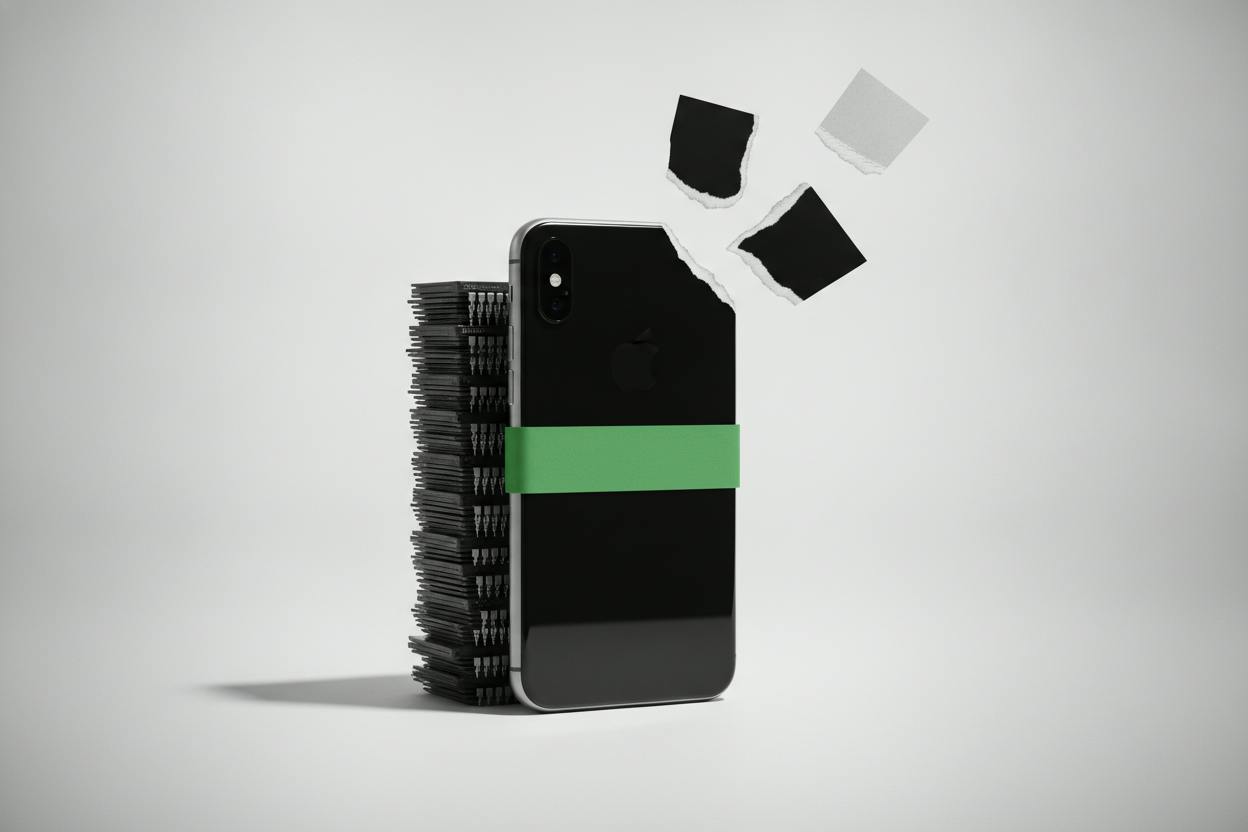
Apple has reportedly told some suppliers to reduce production of its iPhone 18 Pro and Pro Max models, after a $100 price increase and higher memory costs appeared to cool demand. According to Nikkei Asia, the company cut October component orders for its premium handsets by at least 15% compared with its original request. Reuters said it could not immediately verify the report, and Apple did not comment.
The news comes as Apple's latest flagship lineup faces a tougher market environment. The $100 price hike on the Pro models—pushing the starting price higher—combined with rising costs for memory chips, has made consumers more hesitant to upgrade. For everyday investors, this is a reminder that even the world's most valuable company is not immune to demand shifts.
Why Apple is pulling back
The reported order cut is a direct response to softer-than-expected demand. When a company like Apple trims its build plans, it's often a signal that retailers and carriers are seeing slower sales than anticipated. The $100 price increase on the Pro models may have pushed some buyers to cheaper alternatives or to hold onto their current phones longer.
But there's a bigger backdrop at play. AI data centers are gobbling up advanced chips and high-performance memory, driving up prices and tightening supply. That leaves phone makers with a tough choice: absorb higher costs, raise prices, or accept lower volumes. Apple has already passed some costs on in other product lines, and the reported pullback suggests it's trying to keep inventory in check if demand is softer than expected.
This isn't necessarily a sign of a collapse in iPhone demand. Rather, it's a shift in risk. The squeeze moves quickly to the companies that build parts on short lead times and run expensive factories. Suppliers of scarce, server-grade memory may feel less immediate pressure if AI demand is still filling capacity, even if handset orders wobble.
What it means for investors
For markets, Apple's at-least-15% October order cut is a utilization shock for phone suppliers. When Apple trims build plans, the fallout tends to hit the smartphone supply chain fast: fewer camera modules, casings, and assembly-related parts are needed almost immediately. Because these factories have big fixed costs, lower volumes mean weaker “operating leverage”—costs don’t fall as quickly as output—which can squeeze margins even if per-part pricing holds up.
If parts are already in the pipeline, suppliers can end up sitting on inventory that gets cleared at discounts. The near-term earnings pressure, then, is usually most concentrated among handset-focused suppliers, while high-performance memory pricing can stay firmer if AI data-center orders are still absorbing supply. This dynamic is playing out across the tech sector, as seen in recent AI chip stock retreats.
For investors holding Apple stock, the news is a caution flag but not a panic signal. Apple's ecosystem and services revenue provide a cushion, and the company has weathered demand dips before. However, the order cut could weigh on Apple's near-term revenue growth, especially if the trend continues into the holiday quarter. Investors will be watching Apple's next earnings report for guidance on iPhone sales and any commentary on demand trends.
For those with exposure to Apple's suppliers—either directly or through ETFs—the risk is more pronounced. Companies that make components for smartphones could see their earnings estimates cut if the order reduction persists. On the other hand, memory chip makers that also supply AI data centers may be less affected, as strong AI demand could offset weaker handset orders.
Broader market context
The report also adds to a mixed picture for global markets. While German stocks rose despite a drop in factory orders, and Japanese shares gained on a strong bond auction, tech sentiment remains fragile. Apple's move could ripple through Asian markets, where many of its suppliers are based. The Nikkei has already seen volatility amid AI-related stock swings, and this news could add to the pressure.
Investors should also consider the broader economic backdrop. With interest rates still elevated, consumers are more price-sensitive, and big-ticket items like premium smartphones are often the first to see pullbacks. The $100 price hike on the iPhone 18 Pro may have been the tipping point for some buyers.
What to watch next
Keep an eye on Apple's official comments and its next earnings call for any confirmation of the order cuts. Also watch for updates from key suppliers, as they often hint at demand trends before Apple does. If the order reduction is confirmed and extended, expect downward revisions in supplier earnings forecasts. Conversely, if AI memory demand remains robust, the impact on the broader chip sector could be muted.
For now, the takeaway is that Apple is being cautious, and that caution is likely to ripple through the supply chain. As always, it's wise to diversify and not overreact to a single report, but this is a development worth monitoring.