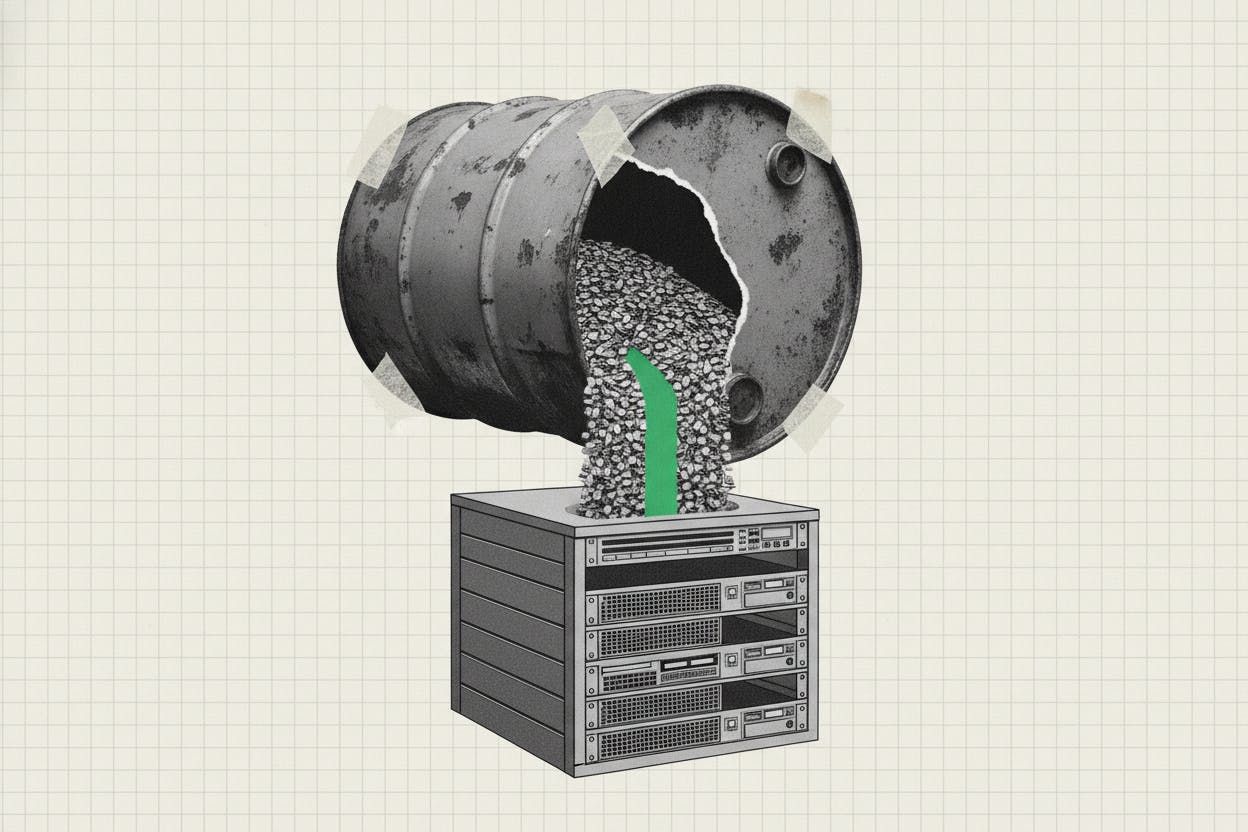
Together AI, a company building open-source infrastructure for artificial intelligence, has raised $800 million in a Series C funding round led by Aramco Ventures, the venture capital arm of Saudi oil giant Aramco. The investment values the firm at $8.3 billion, according to a Reuters report.
What Together AI Does
Together AI provides cloud-based tools and computing power that allow developers and businesses to run and customize open-source AI models—such as those from Meta's Llama or Mistral—rather than relying on proprietary systems like OpenAI's GPT. The company focuses on inference, the stage where a trained AI model is used to generate answers, analyze data, or perform tasks. This is distinct from training, which is the more resource-intensive process of building a model from scratch.
By offering open-source alternatives, Together AI aims to give companies more control over their AI operations, reduce dependency on a single vendor, and potentially lower costs. The new funding will likely be used to expand its computing capacity and develop tools that make inference faster and cheaper.
Why Aramco Ventures Is Betting Big
Aramco Ventures, which led the round, is known for investing in technologies that could reshape energy and industrial sectors. While the oil giant's core business is fossil fuels, it has been increasingly active in tech investments, particularly in areas like AI and digitalization that could improve efficiency or open new revenue streams. This is not Aramco's first foray into AI: the firm has previously backed other tech startups and has its own AI research initiatives.
The investment signals that large industrial players see open-source AI infrastructure as a strategic asset. For Aramco, access to advanced AI inference capabilities could help optimize drilling, logistics, and refinery operations—areas where even small efficiency gains translate into significant savings. The move also aligns with a broader trend of sovereign wealth funds and corporate venture arms pouring capital into AI infrastructure, as highlighted by recent investments in companies like CoreWeave and Lambda.
What This Means for Investors
For everyday investors, this deal underscores the growing importance of the AI infrastructure layer—the hardware and software that powers AI applications. While much of the public market attention has focused on chipmakers like Nvidia and cloud giants like Microsoft, private companies like Together AI are building the tools that make AI accessible to a wider range of businesses.
The $8.3 billion valuation is a significant jump from earlier rounds, reflecting investor appetite for AI infrastructure plays. However, investors should note that Together AI remains private, meaning its shares are not available on public exchanges. The valuation is based on the price paid by venture investors, which can differ from what public markets might assign.
That said, the deal could have ripple effects for publicly traded companies. Competitors in the open-source AI space, such as Hugging Face (also private) or larger cloud providers like Amazon Web Services and Microsoft Azure, may face increased pressure to innovate or lower prices. Meanwhile, companies that rely on proprietary AI models—like OpenAI, which is backed by Microsoft—may need to justify their premium pricing as open-source alternatives improve.
The Broader AI Landscape
The funding round comes at a time when the AI industry is grappling with questions about cost, accessibility, and control. Open-source models have gained traction because they allow companies to fine-tune AI for specific tasks without sharing data with a third party. However, running these models still requires significant computing power, which is where infrastructure providers like Together AI come in.
Inference, in particular, is becoming a battleground. As AI models grow more capable, the cost of running them repeatedly—for customer service chatbots, code generation, or medical diagnosis—can quickly add up. Companies that can make inference faster and cheaper stand to capture a large share of the market.
For context, the broader AI infrastructure market is expected to grow rapidly over the next decade, driven by demand from enterprises, governments, and startups. While the exact figures are hard to predict, the trend is clear: more computing power will be needed to deploy AI at scale.
What to Watch Next
Investors should keep an eye on whether Together AI eventually pursues an initial public offering (IPO). A public listing would give retail investors a chance to own a piece of the company. For now, the firm remains private, but the size of this round suggests it is building toward a potential market debut.
Also worth watching is how Aramco's involvement influences Together AI's strategy. The oil giant's deep pockets and industrial focus could steer the company toward energy-sector applications, potentially creating a niche that differentiates it from competitors.
Finally, the deal highlights the ongoing tension between open-source and proprietary AI models. As open-source infrastructure improves, it could erode the competitive moats of companies like OpenAI and Anthropic, which have relied on proprietary technology to justify high valuations. For investors in those companies—or in the tech giants that back them—this is a trend worth monitoring.