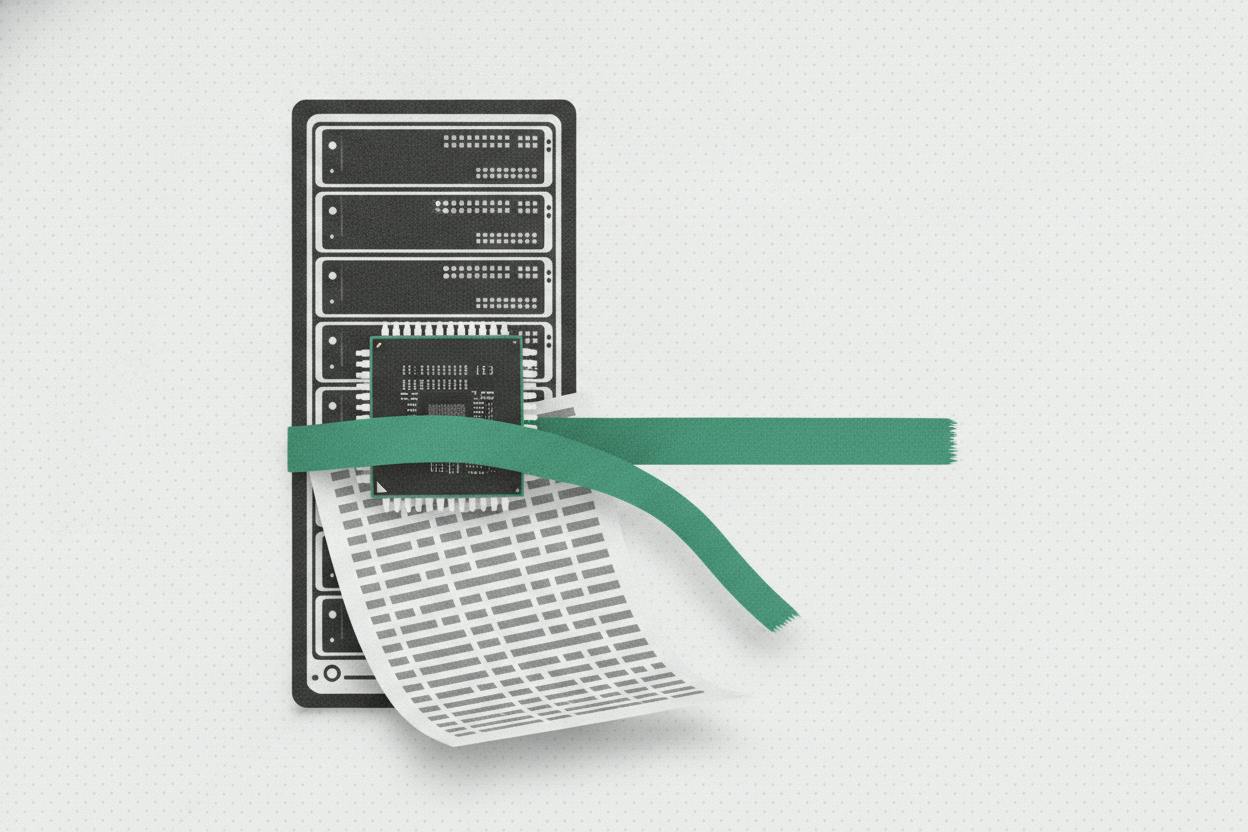
Arm Holdings, the UK-based chip designer, reported fiscal second-quarter revenue of $1.44 billion, surpassing Wall Street's expectations of $1.38 billion. The beat was powered by a surge in licensing fees as cloud customers increasingly adopted Arm's energy-efficient server-chip designs for AI workloads.
Arm doesn't manufacture chips. Instead, it licenses its processor blueprints to companies like Apple, Qualcomm, and Amazon, and collects a royalty every time a chip using its technology ships. This business model means that new AI and data-center projects often show up first in licensing revenue, with royalties following later if those chips reach high-volume production.
Licensing leads the way
In the quarter, licensing revenue did most of the heavy lifting, coming in at $773 million. That figure reflects upfront fees from customers signing new agreements or extending existing ones, often tied to designing next-generation chips for AI servers and other data-center hardware.
The demand for Arm's designs is closely linked to the broader AI boom. Cloud providers and hyperscalers are racing to build out data centers that can handle AI training and inference, and they're increasingly turning to Arm-based chips because they offer better performance per watt than traditional x86 processors. This trend is also visible in other companies' results, as seen in TransAlta's Alberta data center deal, which could reshape its revenue mix.
However, royalty revenue came in softer than analysts had predicted. Royalties are tied to the actual shipment of chips, and while Arm's designs are widespread, the pace of volume production for some newer AI chips may be slower than expected. This is a common pattern for Arm: licensing deals are signed well before chips hit the market, so there's often a lag between a licensing surge and the corresponding royalty stream.
What this means for investors
For everyday investors, Arm's results offer a window into the health of the AI supply chain. Strong licensing revenue suggests that chip designers are confident enough in future demand to commit to new Arm-based projects. That's a positive signal for the broader tech sector, even if royalty numbers are temporarily muted.
Arm's stock has been a major beneficiary of the AI trade, and its valuation reflects high expectations. The company's ability to consistently beat revenue estimates is crucial to justifying that premium. This quarter's beat, driven by licensing, shows that Arm is capturing value from AI design wins, but investors will be watching to see if those wins translate into sustained royalty growth.
It's also worth noting that Arm's business is global and tied to the cyclical nature of semiconductor demand. While AI is a powerful tailwind, the company isn't immune to broader economic slowdowns or shifts in capital spending by cloud providers. For context, other companies have seen AI enthusiasm not always match financial results, as with Huron's strong quarter and AI bookings still disappointing Wall Street.
The road ahead
Looking forward, investors will likely focus on two things: the pace of royalty growth as AI chips ramp up, and the company's ability to maintain its licensing momentum. Arm's design wins in data centers, smartphones, and increasingly in automotive and IoT devices provide a broad base, but the AI server market is the key growth driver.
Arm's results also underscore a broader theme in the tech sector: the shift toward energy-efficient computing. As data centers consume more power, the efficiency of Arm's designs becomes a selling point. This is part of why cloud customers are leaning on Arm, and why the company's licensing pipeline remains strong.
For investors, Arm's quarter is a reminder that in the AI era, the companies that provide the foundational technology—like chip designs—can benefit even before the end products hit the market. But it also highlights the importance of patience, as royalties can take time to materialize. As always, diversification and a long-term perspective are key when investing in high-growth tech names.
Arm's next earnings report will be closely watched for signs that royalty revenue is catching up to the licensing surge. Until then, the company's ability to beat expectations on the back of AI demand is a positive sign for the sector as a whole.