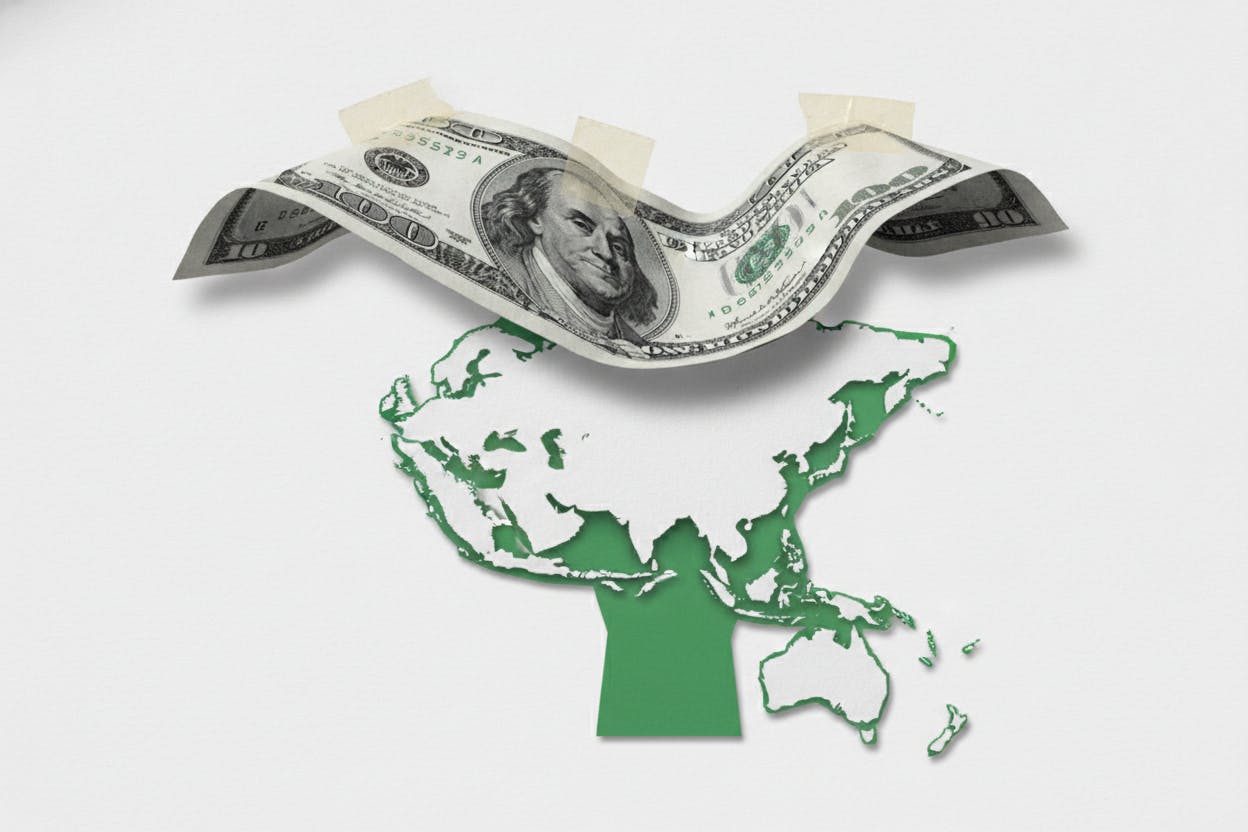
Asian currencies are on a tear, with several hitting fresh highs as the US dollar continues to soften. The MSCI emerging-market currency index—a broad gauge of currencies from developing economies—set a new record, driven by strength in the Taiwan dollar and a rally in Thai stocks after the country reported better-than-expected second-quarter growth.
For everyday investors, this is a sign that global money is moving toward riskier, higher-yielding assets as expectations for further US interest rate hikes fade. When the dollar weakens, it typically boosts emerging-market currencies and assets, as they become relatively cheaper for foreign investors.
Why the dollar is softening
The main catalyst is a shift in expectations about the Federal Reserve. After a run of softer US economic data, traders have trimmed their bets on another rate hike in the near term. Lower expected US rates make dollar-denominated assets less attractive, which tends to weaken the greenback.
That dynamic has been playing out across the region. The Taiwan dollar climbed 0.7% to its strongest level in more than six weeks, according to the brief. HSBC analysts suggested the currency could keep recovering, partly because dividend-related outflows—money leaving the country as companies pay dividends to foreign shareholders—are expected to taper off.
Thailand's stock market also jumped after the country's second-quarter gross domestic product came in better than analysts had forecast. Stronger growth often attracts foreign investment, which supports both the local currency and equities.
What this means for investors
For investors with exposure to emerging markets, a softer dollar is generally a tailwind. It can boost returns on foreign assets when converted back to dollars, and it often signals improving risk appetite globally.
However, it's important to remember that currency moves can be volatile and are influenced by many factors beyond Fed policy. Geopolitical tensions, domestic politics, and commodity prices all play a role. For example, the yuan has been near a 3-1/2-year high as the dollar softens, but the People's Bank of China has been steering its pace to avoid excessive volatility. Similarly, the Australian and New Zealand dollars hit 10-week highs as Fed hike bets faded, showing the broad-based nature of the dollar's decline.
Investors should also watch how central banks in emerging markets respond. A stronger local currency can help tame inflation by making imports cheaper, but it can also hurt exporters by making their goods more expensive abroad. That's a delicate balance for policymakers.
What to watch next
The key driver remains the Federal Reserve. Any surprise in US inflation or jobs data could quickly shift expectations and reverse the dollar's slide. Markets will also be watching upcoming central bank meetings in the region, as well as any signs of stress in global trade.
For those with international investments, this is a reminder that currency movements can have a significant impact on returns. A diversified portfolio that includes some exposure to emerging markets can benefit from these trends, but it also carries additional risk.
As always, it's not about timing the market but understanding the forces at play. The current strength in Asian currencies is a reflection of a broader shift in global investor sentiment—one that could continue if the Fed stays on hold and growth in the region remains resilient.