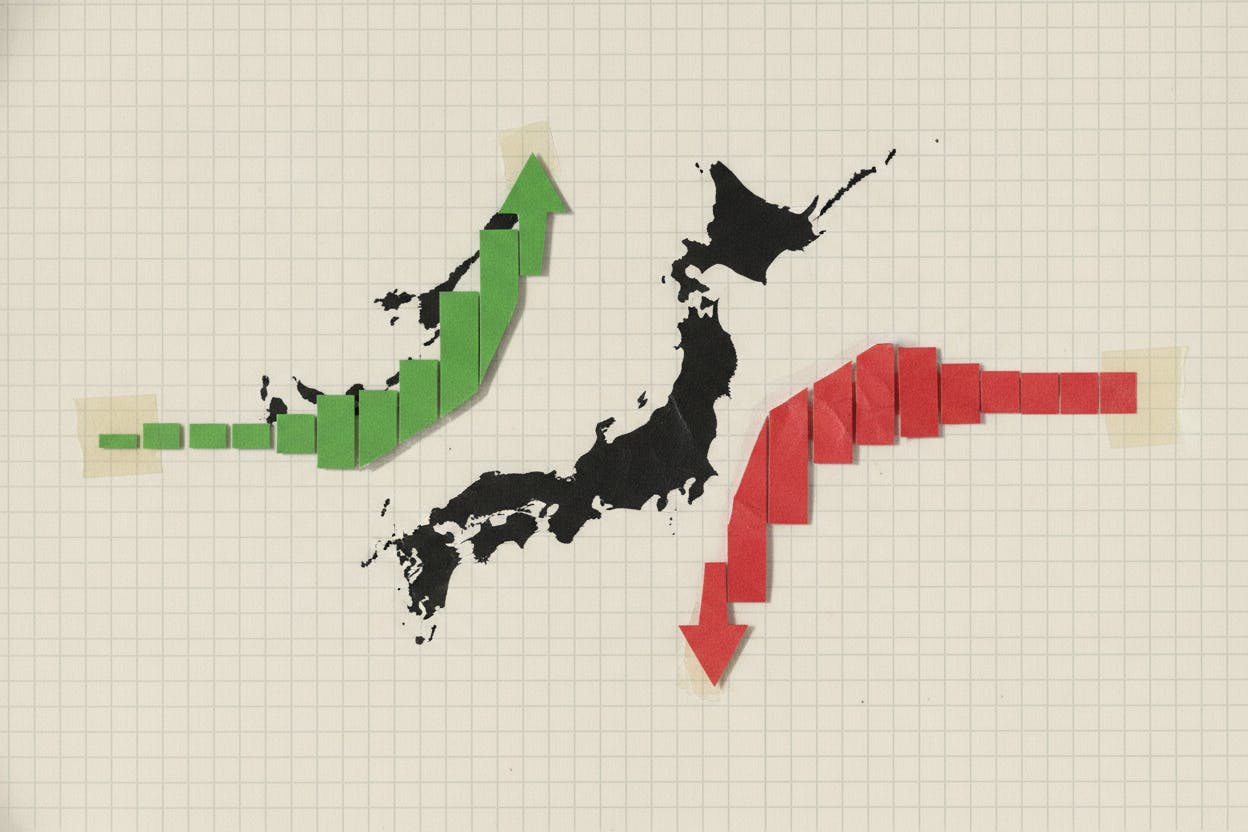
Asian stock markets took different paths on Wednesday, with Japan's Nikkei rising 1.4% while Hong Kong's Hang Seng fell 0.7%, as investors weighed China's latest inflation figures against a broader tech rally.
China's National Bureau of Statistics reported that the consumer price index (CPI) rose 1.0% in June compared to a year earlier, down from 1.2% in May. That's a sign that household spending remains subdued, even as the economy recovers from pandemic-era restrictions. Meanwhile, the producer price index (PPI), which measures what factories charge for their goods, climbed to 4.1% from 3.9% in May, driven partly by higher energy costs.
What the Inflation Data Tells Us
Consumer price inflation measures the cost of everyday goods and services that households buy, from food to transport. A reading of 1.0% is relatively low by global standards and suggests that demand in China's economy is still weak. That's a concern for investors because consumer spending is a key driver of growth.
Producer prices, on the other hand, reflect costs at the factory gate. The rise to 4.1% indicates that manufacturers are facing higher input costs, particularly for energy and raw materials. When consumer demand is soft, companies often find it hard to pass those higher costs on to shoppers, which can squeeze profit margins.
This mix of cooling consumer inflation and rising producer prices is a tricky one for policymakers. It suggests that the economy is not overheating, but that some sectors are feeling cost pressures. The People's Bank of China (PBoC) has already signaled it will maintain loose monetary policy to support growth, as noted in a recent report on China stocks rallying on PBoC pledges.
Why Japan Rose While Hong Kong Fell
Japan's Nikkei got a boost from a global rally in technology stocks, particularly semiconductor-related companies. The Nikkei's 1.4% gain on AI chip rally was part of a broader trend that also lifted European tech stocks, as European tech stocks rebounded on chip names. Investors are optimistic about demand for chips used in artificial intelligence and data centers, which has been a bright spot in an otherwise uncertain global economy.
Hong Kong, however, is more directly exposed to China's economic data. The Hang Seng index fell as the inflation numbers reinforced worries about sluggish domestic demand. Hong Kong-listed Chinese companies, especially consumer-facing ones, are sensitive to how much Chinese households are spending.
Other Asian markets showed mixed moves. South Korea's chip-heavy Kospi index also benefited from the tech rally, as Korea's chip rally returned. Meanwhile, Malaysia's central bank held its key interest rate steady at 2.75% for the sixth consecutive meeting, as inflation remained moderate.
What It Means for Investors
For everyday investors, the divergence in Asian markets highlights how different factors are driving returns. Japan's market is being lifted by global tech demand, while China's market is more tied to the health of its domestic economy.
The inflation data from China is a double-edged sword. Low consumer inflation means the PBoC can keep interest rates low or even cut them further, which is generally positive for stocks. But it also signals that the recovery is uneven, and that consumers are not yet spending freely. That could weigh on companies that rely on Chinese consumer demand.
Producer price inflation, meanwhile, is a reminder that input costs are rising. For investors in companies that manufacture goods in China, it's worth watching whether they can maintain profit margins. If they can't pass on higher costs, earnings could come under pressure.
Looking ahead, markets will be watching for more data on China's economic activity, including retail sales and industrial production, due later this month. The PBoC's next policy moves will also be in focus, as investors look for signs of further stimulus.
For now, the takeaway is that Asian markets are being pulled in different directions by tech optimism and China's domestic challenges. Diversification across regions and sectors remains a sensible approach for investors navigating this mixed environment.



