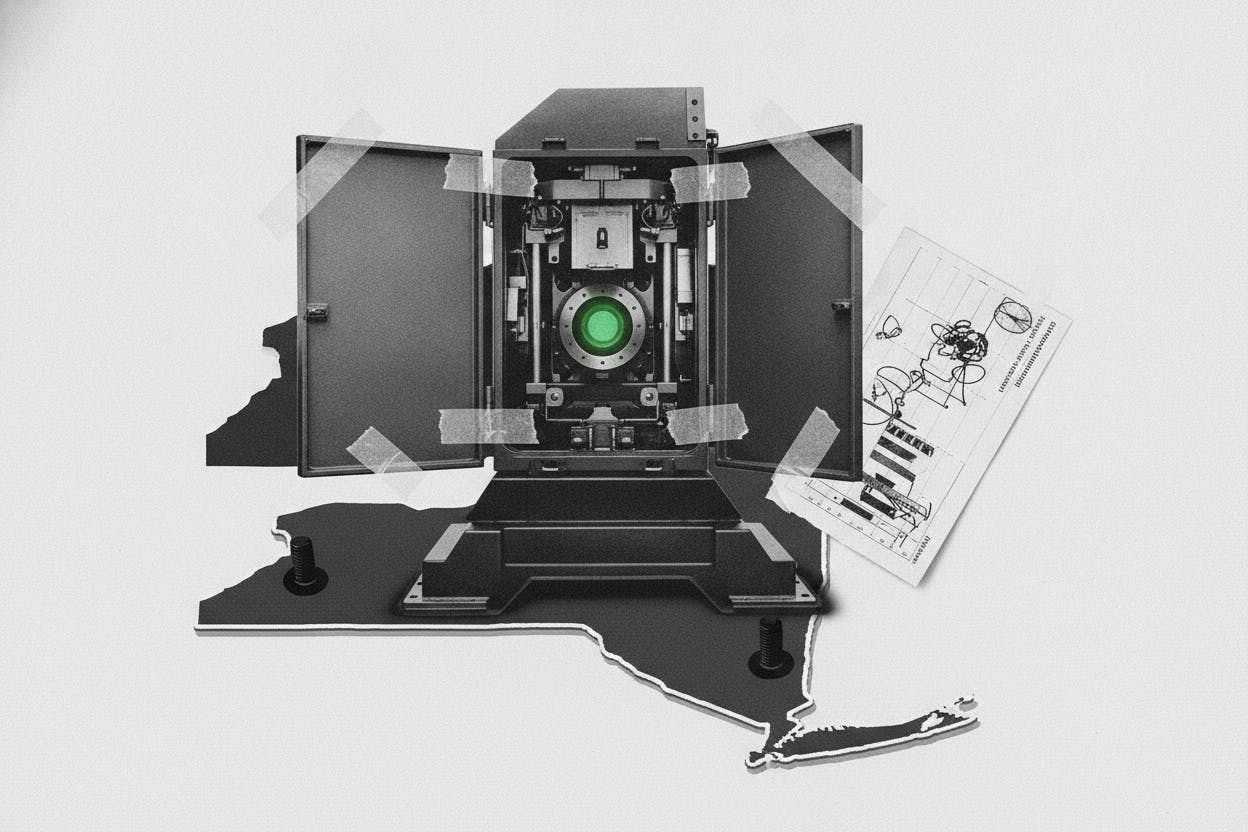
ASML's cutting-edge lithography machine, valued at roughly $400 million, is now being assembled at the Albany NanoTech Complex in New York. The facility expects the next-generation system to be fully functional by the end of this year, marking a significant step for advanced chip research in the United States.
What Is High NA EUV Lithography?
High NA (numerical aperture) extreme ultraviolet lithography is ASML's latest innovation for etching increasingly tiny circuit patterns onto silicon wafers. This technology is critical for producing the next generation of advanced semiconductors, which power everything from smartphones to artificial intelligence systems. The "High NA" refers to a larger lens that captures more light, allowing for finer resolution and smaller transistor features.
ASML, a Dutch company, dominates the lithography market and is the sole supplier of EUV systems, which use extreme ultraviolet light to create intricate chip designs. The High NA version represents a major leap forward, enabling chipmakers to continue shrinking components beyond current limits.
Research, Not Commercial Production
The Albany tool won't be used for mass-producing commercial chips. Instead, NY Creates, the organization that operates the complex, plans to use it for collaborative research. The focus will be on developing "process recipes"—the specific settings and steps needed to integrate the system into real manufacturing workflows. Researchers will also study defects and yields, which are critical for ensuring that chips produced with this technology are reliable and cost-effective.
This shared research model allows multiple companies and institutions to access the expensive equipment without bearing the full cost themselves. It's a common approach in the semiconductor industry, where cutting-edge tools can cost hundreds of millions of dollars and require specialized expertise to operate.
Broader Context: The Chip Race
The arrival of ASML's High NA EUV system in Albany comes amid a global push to strengthen semiconductor manufacturing. The U.S. has been investing heavily in domestic chip production through initiatives like the CHIPS Act, which aims to reduce reliance on Asian suppliers. Albany NanoTech is a key hub in this effort, hosting research that supports both established chipmakers and startups.
For investors, this development underscores the ongoing demand for advanced lithography tools. ASML's technology is essential for companies like TSMC, Samsung, and Intel, which are racing to produce chips with smaller nodes. The High NA system is expected to be used for nodes below 3 nanometers, a threshold that promises faster, more energy-efficient processors.
Meanwhile, the broader tech landscape is seeing increased complexity in chip design, as highlighted by recent analysis of companies like Arteris, which provides interconnect IP for AI chips. The demand for more powerful semiconductors is also driving infrastructure investments, such as Prysmian's $6.3 billion cable deal to support data centers.
What It Means for Investors
For everyday investors, this news highlights the steady march of semiconductor innovation. ASML remains a key player in the chip supply chain, and its High NA EUV systems are expected to generate significant revenue as adoption grows. However, the timeline for commercial deployment is still uncertain—the Albany tool is for research, not production, so it may be years before these machines are used in volume manufacturing.
Investors should also consider the broader implications for chip stocks. Companies that successfully integrate High NA EUV into their processes could gain a competitive edge, while those that lag may struggle. The semiconductor industry is cyclical, and the high cost of these tools means that only the largest players can afford them, potentially concentrating market power.
Additionally, the research conducted at Albany could lead to breakthroughs that benefit the entire industry, reducing costs and improving yields. This is a positive sign for long-term growth in the tech sector, but it's important to remember that such developments take time to materialize.
Looking Ahead
As the Albany NanoTech Complex works to get the High NA EUV system fully operational by year-end, investors will be watching for updates on its performance and any partnerships that emerge. The success of this research could accelerate the adoption of next-generation chips, impacting everything from AI to consumer electronics.
For now, the arrival of this $400 million machine is a reminder of the immense investment required to keep Moore's Law alive—and the opportunities that come with it.